CM Sukhu Pushes HP to Lead India in Natural Farming
Synopsis
Chief Minister Sukhvinder Singh Sukhu chaired an agriculture review in Shimla on 4 July 2026, directing officials to set up a dedicated natural-farming marketing wing, pursue a GI tag for Bada Bhangal rajmah, and accelerate Himachal Pradesh's bid to become India's first fully natural-farming state.
Key Takeaways
CM Sukhu chaired an agriculture department review in Shimla on 4 July 2026 focused on advancing natural farming.
A separate marketing wing will be created within the agriculture department to sell natural-farming produce.
Officials directed to initiate a GI tag application for Bada Bhangal rajmah in Kangra district .
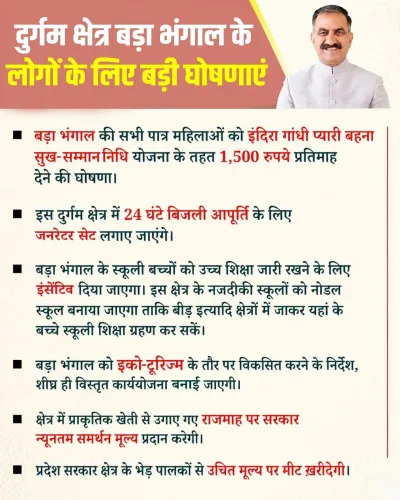
Bada Bhangal is to be formally declared a natural farming panchayat after completion of pending formalities.
The state government claims 2,56,870 farmers are practising natural farming on 44,784.73 hectares across Himachal Pradesh.
Milk producers have received Rs 300 crore from the state government over the past three-and-a-half years .
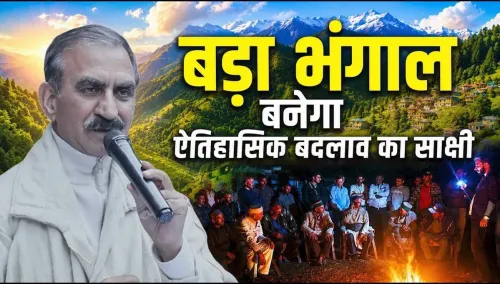
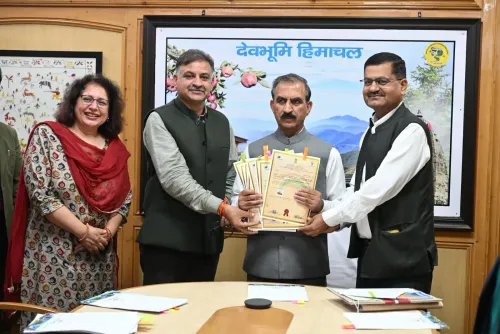
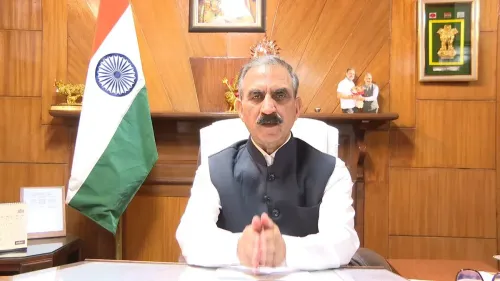
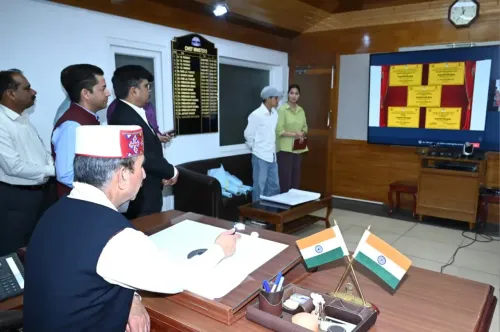
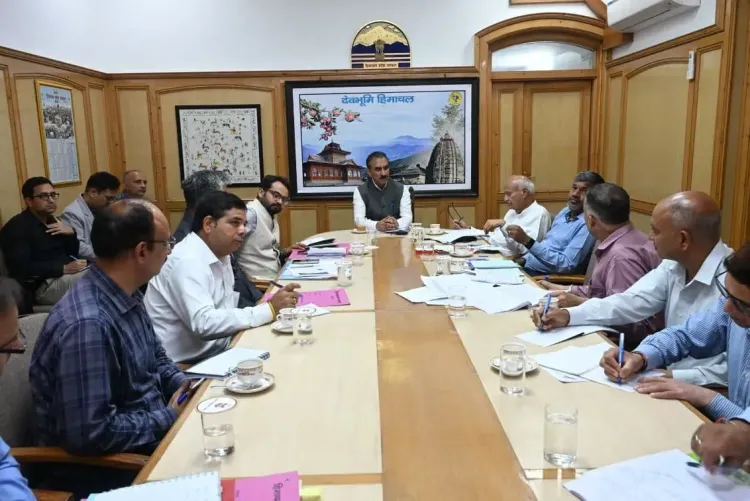
Himachal Pradesh Chief Minister Sukhvinder Singh Sukhu on Saturday, 4 July 2026, chaired a review meeting of the state agriculture department in Shimla, issuing a series of directives aimed at making Himachal Pradesh the first state in India to fully transition to natural farming.
Context
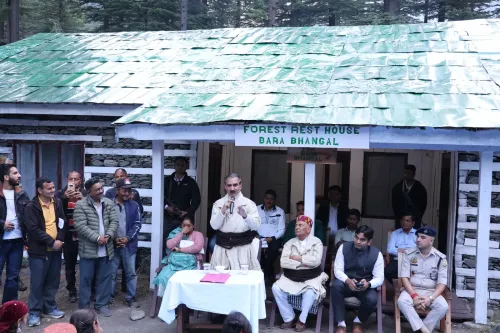
Posting on X, CM Sukhu outlined key instructions from the meeting. In his words, 'प्राकृतिक खेती से तैयार उत्पादों के विपणन के लिए कृषि विभाग में अलग मार्केटिंग विंग स्थापित किया जाए' ('a separate marketing wing should be established within the agriculture department for products prepared through natural farming'). He also directed officials to explore sales on digital marketing platforms and to complete formalities for declaring Bada Bhangal in Kangra district as a natural farming panchayat.
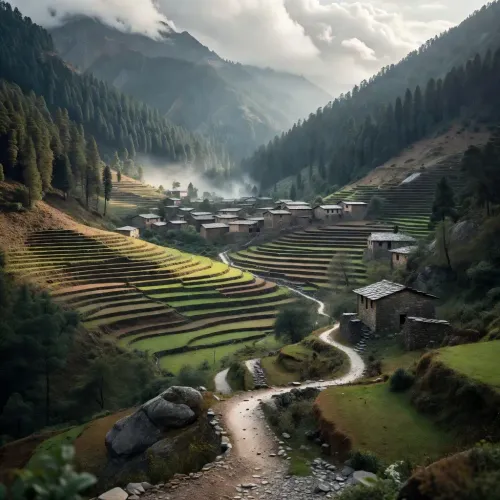
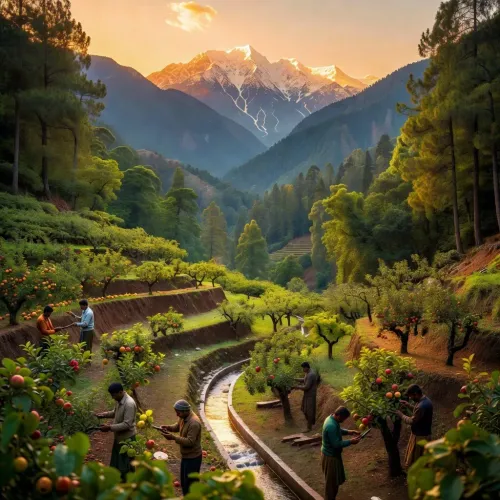
A significant directive from the meeting was to initiate the process of obtaining a Geographical Indication (GI) tag for the rajmah (kidney beans) grown in Bada Bhangal, a remote Himalayan valley known for its distinctive variety of the legume. Agriculture Minister Prof. Chandra Kumar and other senior officials were present at the meeting.
Policy Backdrop
Himachal Pradesh began large-scale promotion of natural farming — broadly modelled on Subhash Palekar's zero-budget techniques — around 2018, with the stated goal of becoming India's first fully natural-farming state. The effort built on the central government's Paramparagat Krishi Vikas Yojana (2015), which provided a cluster-based framework for organic and natural farming that several states, including Himachal, adapted to local conditions.
The state government says 2,56,870 farmers are currently practising natural farming across 44,784.73 hectares of land in the state. Officials at the meeting were directed to work 'with full efficiency and commitment' to accelerate this transition.
Stakeholders and Impact
The push for a dedicated marketing wing and digital sales channels is designed to close the gap between production and premium pricing — a persistent challenge for smallholders who adopt chemical-free methods but lack organised market access. GI tags, used successfully for crops such as Darjeeling tea, Basmati rice, and various regional spices, could allow Bada Bhangal rajmah to command higher prices and deter imitation products.
Beyond crop farming, CM Sukhu highlighted dairy support, stating that over the past three-and-a-half years the state government has paid Rs 300 crore to milk producers, including small and marginal dairy farmers, to put money directly in their hands. The government says the number of farmers adopting natural farming continues to rise as a result of these combined initiatives.
What's Next
The immediate milestones to watch are the formal notification establishing the separate marketing wing inside the agriculture department and the filing of the GI registration application for Bada Bhangal rajmah. Both processes involve inter-departmental coordination and central government approvals, meaning timelines will depend on bureaucratic follow-through.
If Himachal Pradesh succeeds in building a state-backed digital and physical marketing infrastructure for natural-farming produce, it could serve as a replicable model for other hill states looking to monetise the premium that chemical-free, geographically distinct crops can attract in urban and export markets.
Point of View
Trackable bureaucratic deliverables. The GI tag directive for Bada Bhangal rajmah is particularly significant: it signals a shift from input-side support (getting farmers to go chemical-free) to output-side value capture (protecting and branding what those farmers grow). Pairing a dedicated marketing wing with digital platform outreach reflects an awareness that natural farming's premium pricing promise remains unrealised without organised market linkages. Taken together, these moves suggest the Sukhu government is trying to show measurable progress on its flagship agricultural plank ahead of the electoral cycle.
NationPress
4 Jul 2026
Frequently Asked Questions
What is Himachal Pradesh's natural farming target?
Himachal Pradesh aims to become India's first state to fully transition to natural farming. As of July 2026, the state government says over 2,56,870 farmers are already practising natural farming on nearly 44,785 hectares .
What is Bada Bhangal and why is it in the news?
Bada Bhangal is a remote valley in Kangra district , Himachal Pradesh. CM Sukhu has directed officials to declare it a natural farming panchayat and to begin the process of obtaining a GI tag for the distinctive rajmah (kidney beans) grown there.
What is a GI tag and how does it help farmers?
A Geographical Indication (GI) tag is a certification that links a product to a specific geographic origin, protecting it from imitation and often allowing producers to charge premium prices. For Bada Bhangal rajmah , a GI tag could help farmers access better markets and higher incomes.
What is the natural farming marketing wing in Himachal Pradesh?
CM Sukhu has directed the agriculture department to establish a dedicated marketing wing specifically for produce grown through natural farming methods. It will also explore selling products on digital platforms to reach wider markets.
How much has Himachal Pradesh paid dairy farmers?
The Himachal Pradesh government states it has paid Rs 300 crore to milk producers, including small and marginal dairy farmers, over the past three-and-a-half years to ensure direct income support.