CM Sukhu Reviews Jaskot Heliport Progress in Himachal
Synopsis
Chief Minister Sukhvinder Singh Sukhu reviewed construction at the Jaskot heliport on 21 June 2026, saying the project will strengthen regional connectivity, expand emergency services, and accelerate tourism in Himachal Pradesh.
Key Takeaways
CM Sukhvinder Singh Sukhu personally reviewed construction progress at the Jaskot heliport on 21 June 2026 .
The heliport is described by the CMO as key to strengthening regional connectivity , expanding emergency services , and boosting tourism .
The project aligns with the Central government's UDAN Regional Connectivity Scheme , launched in 2016 to support aerial infrastructure in hilly states.
Himachal Pradesh's 2023-24 budget had allocated funds for multiple heliport projects across the state.
The heliport will benefit local residents, emergency response teams , and the tourism sector in the region.
No official completion date has been announced; the operationalisation timeline remains to be confirmed.
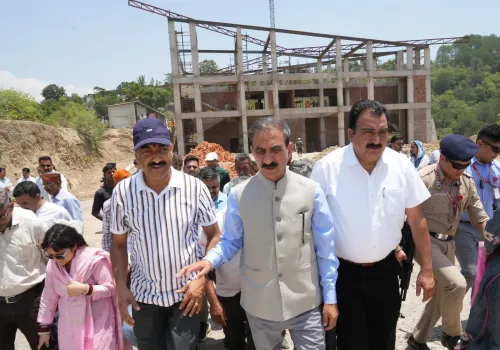
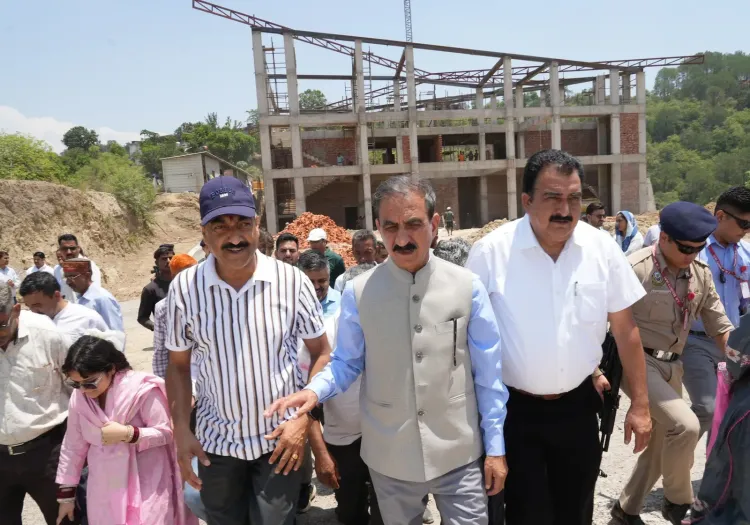
The Chief Minister's Office of Himachal Pradesh announced on Sunday, 21 June 2026 that Chief Minister Sukhvinder Singh Sukhu reviewed the construction progress of a heliport being built at Jaskot, underscoring the state government's push to expand aerial connectivity in its mountainous terrain.
Posting on X, the CMO stated: 'Aaj Jaskot mein nirmanadhin heliport ke karyon ki pragati ka jaayza liya' ('Today, I reviewed the progress of works on the heliport under construction at Jaskot'). The post noted that the project will 'strengthen the region's connectivity, expand emergency services, and accelerate tourism activities.'
Context
Jaskot is located in Himachal Pradesh, a state whose rugged Himalayan geography makes surface connectivity unreliable, particularly during monsoons and winter snowfall. Heliports serve as critical lifelines, enabling rapid medical evacuations, disaster response, and access to tourist destinations that road networks cannot easily serve. CM Sukhu's on-site review signals active executive oversight of the project's timeline.
Policy Backdrop
The Jaskot heliport aligns with the Central government's Regional Connectivity Scheme UDAN, launched in 2016, which provides financial support for heliport and airport development in underserved hilly and remote regions. Himachal Pradesh has been a key beneficiary of the scheme, given its limited flat terrain suitable for conventional airports. The state government's 2023-24 budget had earmarked funds for multiple heliport projects aimed at boosting both tourism and emergency access across the hill state.
Himachal Pradesh has steadily expanded its network of helipads and heliports as part of a broader aerial infrastructure strategy. The Jaskot project fits into this pattern, with the government seeking to reduce the isolation of interior valleys and improve response times during natural disasters — a recurring concern in a state prone to landslides and flash floods.
Stakeholders and Impact
The primary beneficiaries of the Jaskot heliport will be local residents in surrounding villages who currently face long travel times to reach district hospitals or administrative centres. Emergency services, including medical evacuation teams and disaster response units, stand to gain significantly from a dedicated heliport facility rather than relying on temporary helipads.
The tourism sector is also a key stakeholder. Himachal Pradesh draws millions of domestic and international tourists annually, and improved aerial access to interior regions can open new circuits for adventure tourism, pilgrimage routes, and eco-tourism. Helicopter services to such areas command premium fares, making heliport infrastructure a direct economic enabler for local communities.
What's Next
The state government has not announced a specific completion date for the Jaskot heliport, but CM Sukhu's personal review of construction progress suggests the project is being monitored at the highest level. Observers will watch for formal announcements on the operationalisation timeline, potential integration with existing helipad networks across the state, and whether additional heliport projects are unveiled as part of the government's connectivity agenda.
As Himachal Pradesh continues to position itself as a premier Himalayan tourism and investment destination, the expansion of aerial infrastructure at locations like Jaskot will be a barometer of the state's ability to translate policy commitments into ground-level delivery.
Point of View
Executive visibility on project sites is a way of demonstrating accountability. The heliport push fits a broader pattern of Himalayan state governments using aerial connectivity to compensate for the structural limitations of road networks, particularly as climate-linked disasters make surface routes increasingly unreliable. For the Congress-led Sukhu government, which faces pressure to show tangible development outcomes ahead of future electoral cycles, completing heliport projects on schedule would be a visible win. The UDAN scheme provides central funding cover, but execution and operationalisation remain state responsibilities — and that is where the real test lies.
NationPress
21 Jun 2026
Frequently Asked Questions
Where is the Jaskot heliport being built?
The Jaskot heliport is under construction in Himachal Pradesh , in a region where mountainous terrain limits conventional surface connectivity.
What is the purpose of the Jaskot heliport?
According to the Chief Minister's Office, the heliport will strengthen regional connectivity, expand emergency services such as medical evacuations, and accelerate tourism activities in the area.
Who reviewed the Jaskot heliport construction?
Chief Minister Sukhvinder Singh Sukhu reviewed the construction progress on 21 June 2026 , as announced by the official CMO Himachal Pradesh account on X.
Is the Jaskot heliport part of the UDAN scheme?
The project aligns with the Central government's UDAN Regional Connectivity Scheme launched in 2016, which supports heliport and airport development in underserved hilly and remote areas including Himachal Pradesh.
When will the Jaskot heliport be completed?
No official completion or operationalisation date has been announced by the state government as of the CMO's post on 21 June 2026 .