CM Uttarakhand: Aromatic Plant Cluster Empowers Rural Women
Synopsis
The Uttarakhand government is advancing rural women's self-reliance through NRLM, spotlighting an Aromatic Plant Cluster in Nathuakhan, Ramgarh block, Nainital district as a replicable model linking Self-Help Groups to aromatic plant value chains for sustainable hill-district livelihoods.
Key Takeaways
The Chief Minister's Office of Uttarakhand highlighted the National Rural Livelihoods Mission (NRLM) as the vehicle for rural women's economic empowerment on 22 July 2026 .
An Aromatic Plant Cluster in Nathuakhan, Ramgarh block, Nainital district has been cited as an inspiring model of NRLM implementation in the state.
NRLM , launched in 2011 by the Ministry of Rural Development , organises rural poor women into Self-Help Groups (SHGs) for sustainable livelihoods.
The cluster model links SHGs to aromatic plant processing and essential oil value chains, diversifying income beyond subsistence farming.
The initiative addresses Uttarakhand's chronic out-migration challenge by anchoring women-led enterprise to the state's hill ecology.
The Nathuakhan cluster may serve as a replication blueprint for other Uttarakhand blocks under future NRLM annual action plans.
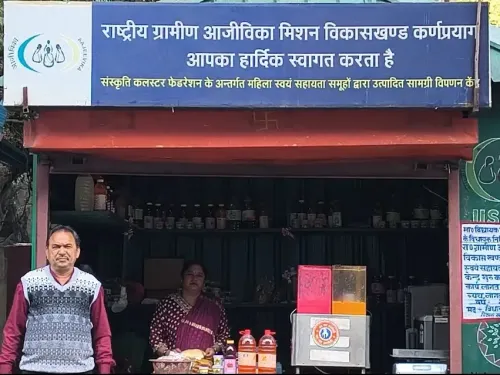
The Chief Minister's Office of Uttarakhand announced on Wednesday, 22 July 2026 that the state government is taking sustained steps to make rural women self-reliant through the National Rural Livelihoods Mission (NRLM), highlighting an Aromatic Plant Cluster established in the Nathuakhan area of Ramgarh block, Nainital district, as an inspiring model of this effort.
Context
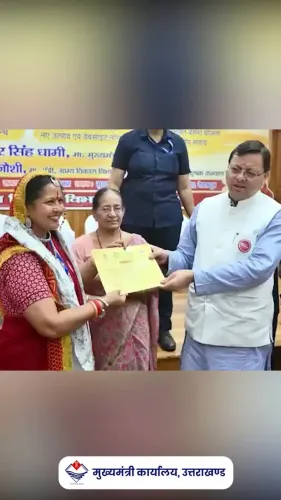
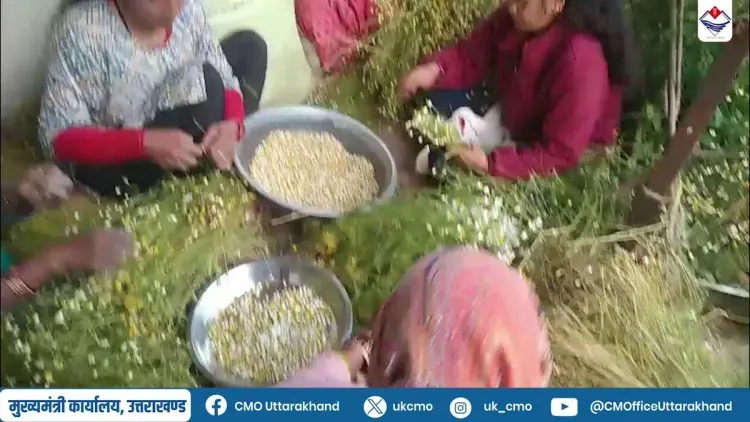
The official post, shared by the Chief Minister's Office, states: 'Uttarakhand Sarkar Rashtriya Gramin Ajeevika Mission ke madhyam se gramin mahilaon ko aatmnirbhar banane ki disha mein lagatar prabhavi kadam utha rahi hai' — ('The Uttarakhand government is continuously taking effective steps towards making rural women self-reliant through the National Rural Livelihoods Mission'). The Nathuakhan Aromatic Plant Cluster in Ramgarh Vikas Khand is cited as a 'praiseworthy example' (preranadayak misal) of this approach. The announcement was accompanied by a video showcasing the cluster's operations on the ground.
Policy Backdrop
The National Rural Livelihoods Mission, a centrally sponsored scheme launched in 2011 by the Ministry of Rural Development, was designed to organise rural poor — particularly women — into Self-Help Groups (SHGs) to build sustainable livelihoods and expand financial inclusion. It replaced the earlier Swarnjayanti Gram Swarozgar Yojana and has since scaled up women-led economic collectives across the country. Uttarakhand, a Himalayan state where agriculture and forest-based activities form the backbone of rural income, has aligned NRLM implementation with its natural resource base, including medicinal and aromatic plant cultivation.
Nainital district's Ramgarh block has historically been associated with horticulture and small-scale farming in the hills. The establishment of an aromatic plant cluster in this geography reflects a broader convergence strategy seen across Himalayan and north-eastern states, where NRLM funds are channelled into value-chain development for essential oils and aromatic produce to diversify incomes beyond subsistence agriculture.
Stakeholders and Impact
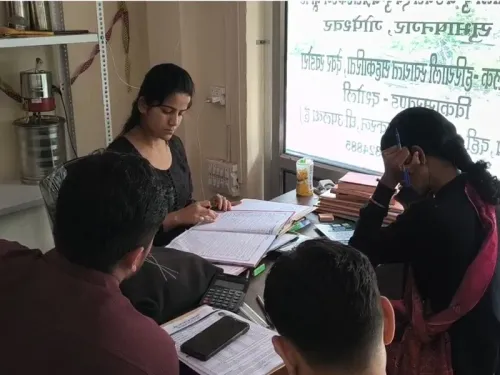
The primary beneficiaries of the Nathuakhan cluster are rural women organised into Self-Help Groups in the Ramgarh block. Aromatic plant clusters of this kind typically link SHGs to processing units for essential oils, creating income streams that reduce dependence on seasonal agriculture and curb the migration of working-age populations from ecologically sensitive hill zones. The model also aligns with national goals of women's economic empowerment under NRLM, which targets the poorest rural households for inclusion in group-based livelihood programmes.
For Uttarakhand, where out-migration — particularly of young men from rural areas — has long been a socioeconomic concern, initiatives that generate localised, women-led enterprise in sectors like aromatic farming carry significance beyond income figures alone. They represent an attempt to anchor livelihoods to the state's ecological strengths.
What's Next
The state government's framing of the Nathuakhan cluster as an 'inspiring example' suggests it may serve as a replication template for similar interventions in other development blocks across Uttarakhand under NRLM annual action plans. State-level evaluations of income gains from this cluster will be closely watched by policymakers and development practitioners assessing the viability of aromatic plant value chains as a scalable livelihood model in hill districts. If outcomes are positive, other blocks with comparable agro-climatic conditions could see similar clusters under future NRLM cycles.
Point of View
Place-based outcomes. This also reflects a strategic alignment between ecological resources and livelihood policy in a state where terrain limits conventional agricultural scaling. Whether the cluster becomes a genuine replication model or remains a one-off highlight will depend on the robustness of state-level monitoring and the availability of NRLM funds in subsequent annual action plans.
NationPress
22 Jul 2026
Frequently Asked Questions
What is the Nathuakhan Aromatic Plant Cluster in Uttarakhand?
The Nathuakhan Aromatic Plant Cluster is a livelihood initiative established in the Nathuakhan area of Ramgarh block, Nainital district, Uttarakhand, under the National Rural Livelihoods Mission. It links rural women's Self-Help Groups to aromatic plant cultivation and processing as a source of sustainable income.
What is the National Rural Livelihoods Mission (NRLM)?
The National Rural Livelihoods Mission (NRLM) is a centrally sponsored scheme launched in 2011 by India's Ministry of Rural Development. It organises rural poor, especially women, into Self-Help Groups (SHGs) to build sustainable livelihoods and improve financial inclusion.
How does the aromatic plant cluster help rural women in Uttarakhand?
The cluster provides rural women organised in Self-Help Groups with access to aromatic plant cultivation and value-chain processing, including essential oils. This creates income streams that reduce dependence on seasonal subsistence farming and help curb out-migration from hill districts.
Which district in Uttarakhand has the aromatic plant cluster?
The aromatic plant cluster is located in Nainital district, specifically in the Nathuakhan area of Ramgarh Vikas Khand (Ramgarh development block).
Can the Nathuakhand aromatic plant model be replicated in other parts of Uttarakhand?
The Uttarakhand government has described the Nathuakhan cluster as an 'inspiring example,' suggesting it could serve as a template for similar interventions in other development blocks with comparable agro-climatic conditions under future NRLM annual action plans.