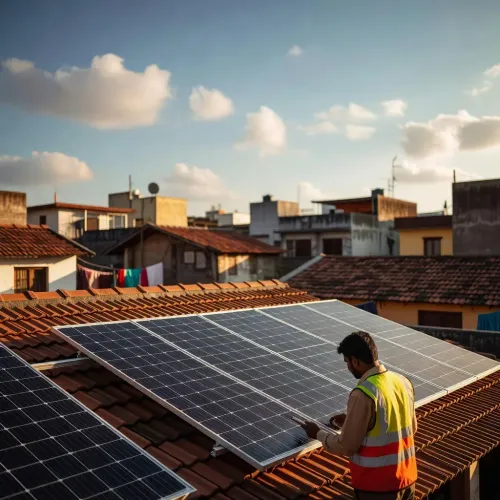
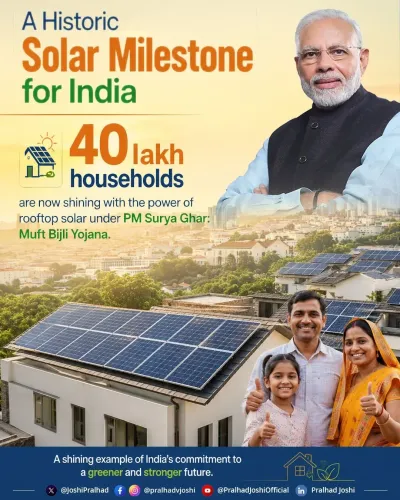
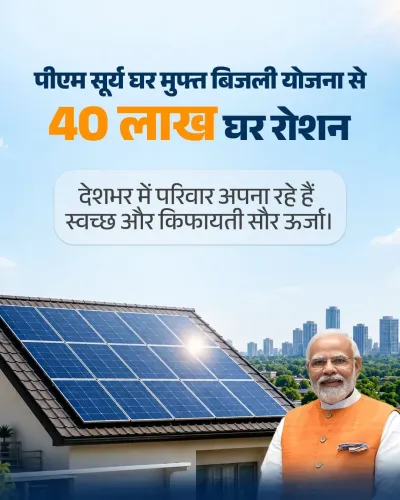
Joshi Hails West Bengal's Boost to PM Surya Ghar Solar Scheme
Synopsis
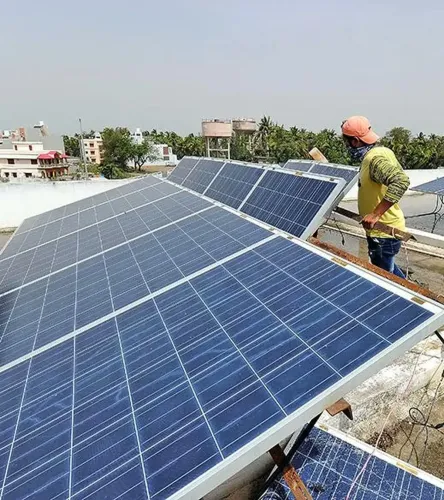
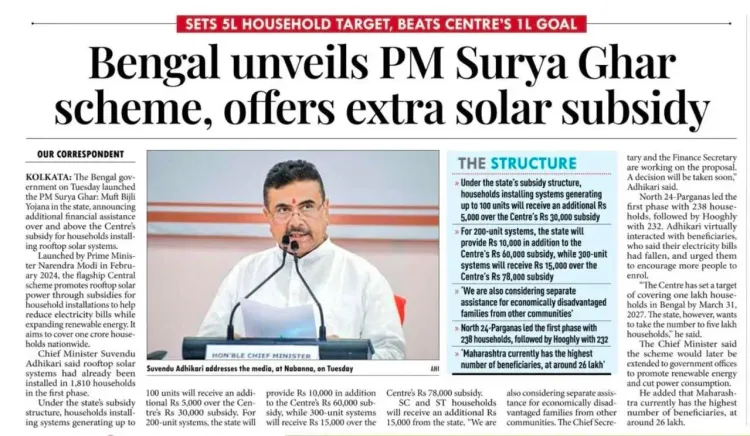
Union Minister Pralhad Joshi has welcomed West Bengal's move to add a state-level subsidy to the Centre's PM Surya Ghar: Muft Bijli Yojana, saying the combined support will make rooftop solar more affordable and help households move towards zero electricity bills.
Key Takeaways
Pralhad Joshi , Union Minister of New and Renewable Energy, publicly welcomed West Bengal 's decision to provide an additional state subsidy under PM Surya Ghar: Muft Bijli Yojana .
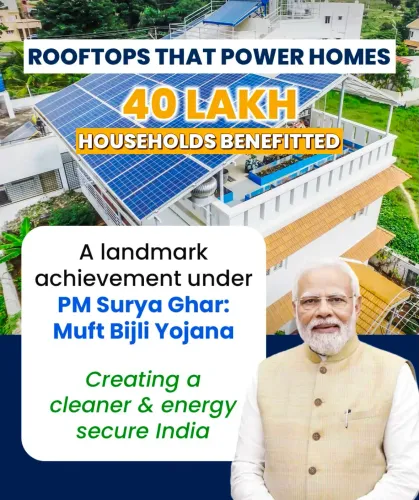
The central scheme, launched in February 2024 , aims to deliver up to 300 units of free electricity monthly to beneficiary households through rooftop solar installations.
West Bengal's state-level top-up complements the central financial assistance, lowering the effective cost of rooftop solar for residents.
The move aligns with India's target of 500 GW of non-fossil fuel capacity by 2030 and net-zero emissions by 2070 .
The layered central-state subsidy model is an emerging pattern across Indian states to improve scheme penetration and household adoption.
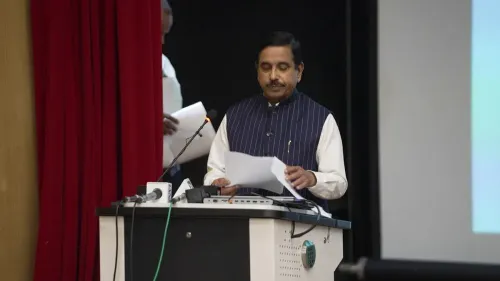
Union Minister of New and Renewable Energy Pralhad Joshi on Wednesday, 22 July 2026, welcomed West Bengal's decision to provide an additional state-level subsidy under the PM Surya Ghar: Muft Bijli Yojana, calling it a step that will make rooftop solar more affordable for households across the state.
Context
In a post on X, Joshi said the state government's move 'complementing the Centre's assistance, will make rooftop solar more affordable,' enabling more households to 'reduce electricity bills and move towards zero electricity bills.' He framed the development as part of the broader momentum behind Prime Minister Narendra Modi's flagship clean-energy scheme, which he described as continuing 'to inspire greater adoption of rooftop solar across the country.'
The minister also linked the development to India's ongoing #CleanEnergy transition, signalling that state-level top-ups are now being seen as a critical lever in accelerating national renewable energy targets.
Policy Backdrop
The PM Surya Ghar: Muft Bijli Yojana was launched in February 2024 by the Central Government to provide financial assistance for household rooftop solar installations, with the stated aim of delivering up to 300 units of free electricity per month to beneficiary families. The scheme forms part of India's broader solar push, which traces its lineage to the National Solar Mission launched in 2010.
India has set an ambitious target of 500 GW of non-fossil fuel-based electricity capacity by 2030 and net-zero emissions by 2070. Rooftop solar for residential consumers is considered one of the most direct pathways to democratising clean energy access, reducing household energy costs while contributing to grid decarbonisation.
Stakeholders and Impact
West Bengal's decision to layer an additional state subsidy on top of the central scheme follows a pattern seen in several other states, where regional governments have used fiscal top-ups to improve scheme penetration and drive adoption among lower- and middle-income households. The federal model — central subsidy anchored by state incentives — effectively lowers the upfront capital cost that has historically been the primary barrier to rooftop solar adoption.
For households in West Bengal, the combined central and state subsidy is expected to reduce the effective cost of rooftop solar installation, potentially bringing the technology within reach of a larger segment of the population. The long-term benefit is a reduction in monthly electricity expenditure, with the scheme's design targeting eventual zero-bill outcomes for qualifying beneficiaries.
What's Next
Analysts and policymakers will watch whether other state governments follow West Bengal's lead in announcing complementary subsidies, particularly as the 2030 renewable capacity deadline draws closer. Quarterly progress reports on rooftop solar installations under the central scheme, as well as upcoming state budget announcements, will be key indicators of how effectively the layered incentive model is translating into on-ground adoption. Joshi's public endorsement of the state's move also signals that the Union Ministry of New and Renewable Energy is actively encouraging such cooperative federalism in the clean-energy space.
Frequently Asked Questions
What is PM Surya Ghar Muft Bijli Yojana?
PM Surya Ghar: Muft Bijli Yojana is a central government scheme launched in February 2024 that provides financial subsidies for residential rooftop solar installations, aiming to supply eligible households with up to 300 units of free electricity per month.
What has West Bengal announced under the PM Surya Ghar scheme?
The West Bengal government has announced an additional state-level subsidy to complement the central government's financial assistance under PM Surya Ghar: Muft Bijli Yojana, making rooftop solar more affordable for households in the state.
Why did Pralhad Joshi comment on West Bengal's solar subsidy?
As Union Minister of New and Renewable Energy, Pralhad Joshi welcomed West Bengal's decision because it supports the Centre's goal of accelerating rooftop solar adoption and advancing India's clean energy transition.
How does India plan to reach its 500 GW renewable energy target?
India aims to reach 500 GW of non-fossil fuel capacity by 2030 through a combination of large-scale solar and wind projects and residential rooftop solar schemes, supported by both central and state-level subsidies and incentives.
Can other states also add subsidies on top of the PM Surya Ghar scheme?
Yes, state governments can layer their own subsidies on top of the central assistance under PM Surya Ghar: Muft Bijli Yojana. Several states have adopted this approach to improve scheme penetration and reduce the upfront cost burden on households.