CM Uttarakhand: Manduwa, Jhangora & Ramdana Go Global
Synopsis
Uttarakhand's CMO highlights growing national and international recognition for traditional Himalayan grains manduwa, jhangora and ramdana, spotlighting Chamoli as a key production hub and signalling the state's push to convert heritage crops into global commodities.
Key Takeaways
The Chief Minister's Office of Uttarakhand announced on 20 November 2026 that manduwa, jhangora and ramdana are gaining international recognition.
Chamoli district is specifically cited as a core production cluster for all three traditional Himalayan millets.
India's leadership of the International Year of Millets (2023) created global momentum that Uttarakhand has been leveraging for export positioning.
The state has run organic-mission and GI-tagging programmes for these grains since the mid-2010s to raise farm-gate prices and curb hill-village outmigration.
Further GI registrations and international supply-chain deals for Uttarakhand millets are the key developments to watch next.
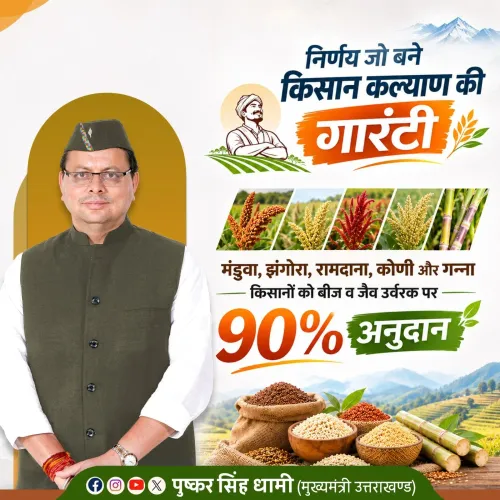
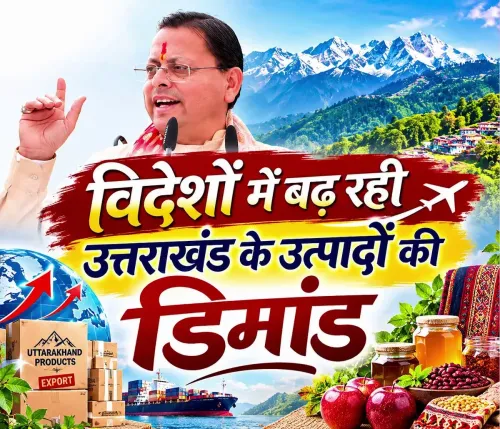
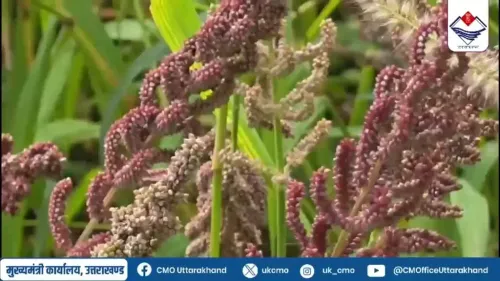
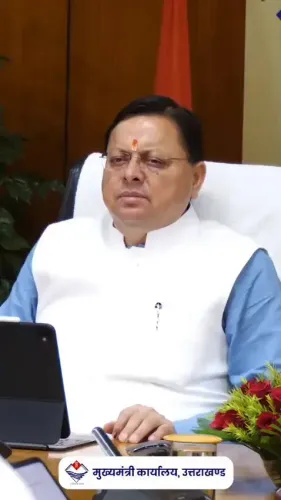
From the terraced slopes of Chamoli, three ancient grains are quietly rewriting Uttarakhand's economic story. The Chief Minister's Office of Uttarakhand announced on Friday, 20 November 2026 that the state's traditional Himalayan millets — manduwa (finger millet), jhangora (barnyard millet), and ramdana (amaranth) — are gaining recognition not just across India but on international markets as well.
The post stated: 'Uttarakhand ke pahaadon mein utpadit paramprik anaaj manduwa, jhangora aur ramdana ki pahchaan ab rashtriya hi nahin, balki antarrashtriya star par bhi lagaataar badh rahi hai' — 'The traditional grains produced in the mountains of Uttarakhand — manduwa, jhangora and ramdana — are now gaining recognition not just nationally but at the international level as well.' The Chamoli district is specifically tagged, spotlighting it as one of the core cultivation clusters for these high-altitude crops.
Three grains, one mountain district's bet
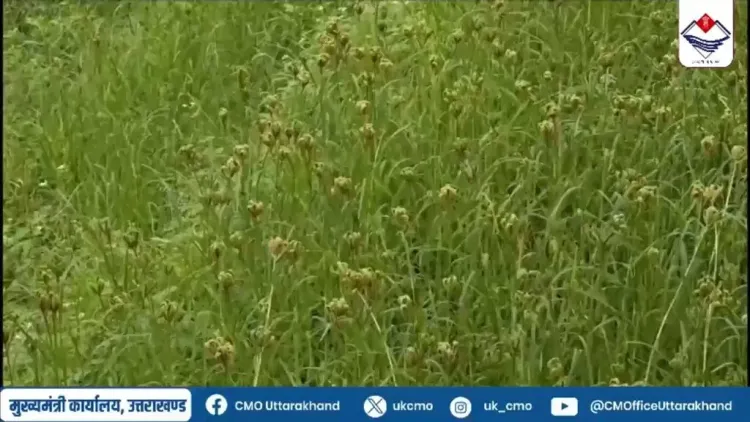
Manduwa, jhangora and ramdana have been cultivated on the rainfed terraced farms of Uttarakhand's hill districts for centuries. These are not heritage curiosities — they are hardy, climate-resilient crops that thrive where wheat and rice cannot. Chamoli, sitting deep in the Garhwal Himalayas, is among the districts that have long anchored production of all three. For smallholder hill farmers, these grains have historically meant subsistence; the question has always been whether they could mean income.
India's millet push and Uttarakhand's opening
The timing of this international push is no accident. India led the International Year of Millets in 2023, a UN-backed campaign that repositioned coarse grains as nutrition powerhouses and climate-smart foods for global food systems. That diplomatic effort opened doors — for procurement, branding, and export conversations — that traditional-crop states like Uttarakhand have been moving to walk through. Since the mid-2010s, the state has run organic-mission and Geographical Indication (GI) tagging programmes for these millets, explicitly aimed at raising farm-gate prices and slowing migration from hill villages.
What rising global recognition means for Chamoli's farmers
International recognition, when it translates to actual demand, changes the calculus for a hill farmer in ways that domestic schemes alone rarely do. Higher export-linked prices and GI protection give smallholders leverage they have never had. The broader state policy has framed millet promotion as a twin lever — nutrition security at home and export diversification abroad. Whether further GI registrations or confirmed international supply chains follow this momentum is the story to watch.
Uttarakhand's mountains have always grown these grains. Now, it seems, the world is finally paying attention — and the state intends to make sure that attention is converted into something farmers in Chamoli can take to the bank.
Point of View
Not merely an agricultural update — it ties Chamoli's smallholder crops to India's post-2023 millet diplomacy playbook, framing the state as a supplier of premium, climate-resilient 'supergrains' to a world increasingly anxious about food security. For the BJP-led Uttarakhand government, elevating hill-district agriculture simultaneously addresses the persistent outmigration narrative and positions the state favourably ahead of any budgetary discussions around rural mountain economies. The specific call-out of Chamoli also suggests the state may be consolidating cluster-based branding, a model that has worked for products like Darjeeling tea and Kashmir saffron. The real test will be whether this recognition translates into verifiable export volumes and measurable income gains for the farmers actually working those terraced fields.
NationPress
20 Nov 2026
Frequently Asked Questions
What are manduwa, jhangora and ramdana?
Manduwa is finger millet, jhangora is barnyard millet, and ramdana is amaranth — three traditional rainfed grains grown on the terraced hill slopes of Uttarakhand, particularly in districts like Chamoli. They are valued for their nutritional density and ability to grow in high-altitude conditions where wheat and rice cannot.
Why is Chamoli important for millet production in Uttarakhand?
Chamoli is one of the key Garhwal Himalaya districts where manduwa, jhangora and ramdana have been cultivated for centuries by smallholder farmers on rainfed terraced farms. The Chief Minister's Office specifically tagged Chamoli in its November 2026 post highlighting the growing global profile of these grains.
How did the International Year of Millets 2023 help Uttarakhand?
India led the UN-backed International Year of Millets in 2023, which repositioned coarse grains globally as nutritious and climate-resilient foods. This created export and branding opportunities that states like Uttarakhand, which have long grown traditional millets, have been working to capitalise on through GI tagging and organic-mission programmes.
What is GI tagging and how does it benefit hill farmers in Uttarakhand?
A Geographical Indication (GI) tag legally certifies that a product originates from a specific region and meets defined quality standards. For Uttarakhand hill farmers, GI tagging for grains like manduwa can command higher farm-gate prices in domestic and international markets and protect the product's identity from imitation.
What is the Uttarakhand government doing to promote traditional millets internationally?
Since the mid-2010s, Uttarakhand has run organic-mission and GI-tagging programmes for traditional millets to raise farmer incomes and slow outmigration from hill villages. After India's 2023 millet diplomacy push, the state has been positioning these grains for export diversification alongside nutrition-security goals at home.