CM Joseph Vijay lays foundation for Rs 3,108 cr Chennai water ring-main project
Synopsis
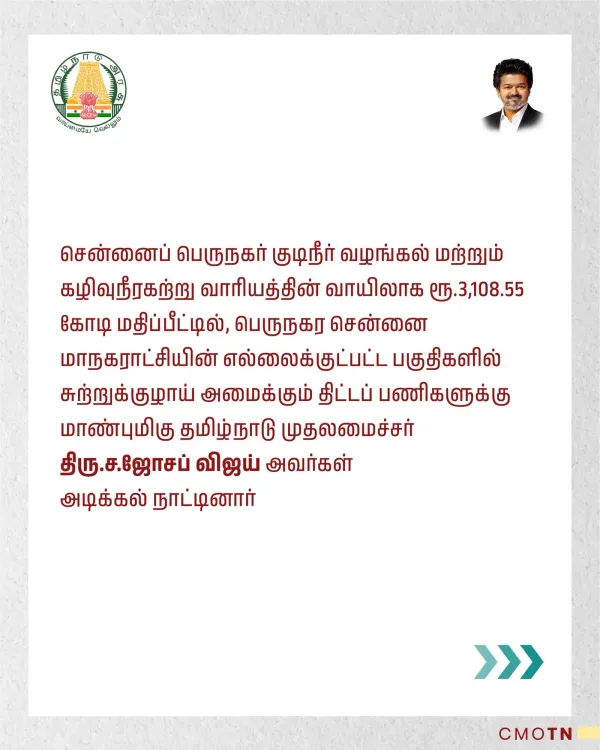
Tamil Nadu Chief Minister Joseph Vijay laid the foundation stone on 14 October 2026 for a Rs 3,108.55 crore ring-main pipeline network across Greater Chennai Corporation limits, implemented by CMWSSB, aimed at addressing the city's chronic water distribution gaps.
Key Takeaways
Joseph Vijay laid the foundation stone on 14 October 2026 for the Chennai ring-main pipeline project.
The project is estimated at Rs 3,108.55 crore and covers areas within Greater Chennai Corporation limits.
Implementation is through the Chennai Metropolitan Water Supply and Sewerage Board (CMWSSB) , the statutory water authority for the metro area.
A ring-main system maintains water pressure from two directions, reducing supply failures caused by single-point pipe breaks.
Chennai has a history of water scarcity; peripheral zones absorbed into GCC limits have historically had limited piped coverage.
Tendering, construction timelines and any cost revisions by CMWSSB are the key milestones to watch going forward.
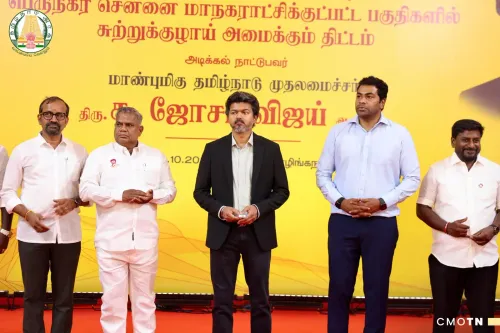
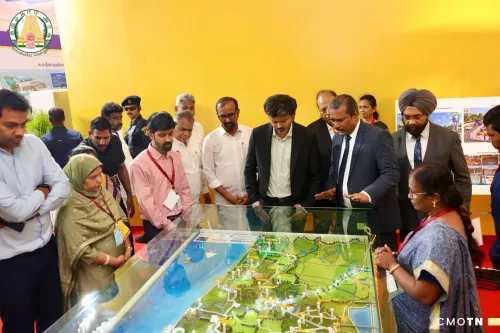
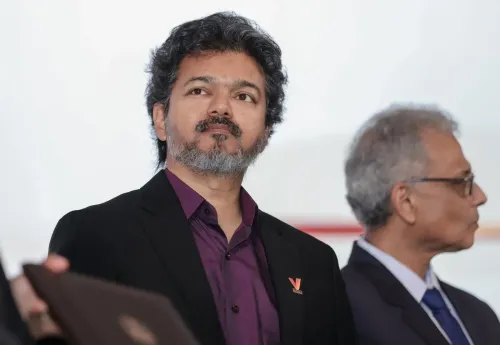
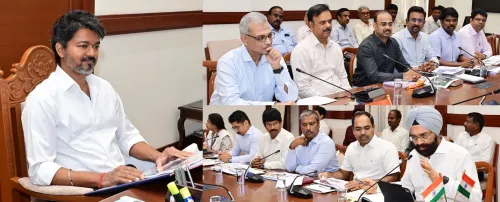
A city of millions is about to get a new circulatory system — underground. Tamil Nadu Chief Minister S. Joseph Vijay on Wednesday, 14 October 2026, laid the foundation stone for a sweeping ring-main pipeline network across Greater Chennai Corporation limits, with an estimated outlay of Rs 3,108.55 crore — one of the largest single urban water infrastructure investments the city has seen in years.
What a 'ring-main' actually means for Chennai's taps
A ring-main, or circular distribution system, is the engineering backbone of a reliable city water network. Unlike a branching layout where a break in one pipe disrupts entire localities, a ring-main loops back on itself — pressure is maintained from two directions simultaneously, reducing dead-ends and supply failures. For Chennai, a metropolis that has lived through multiple Day-Zero water crises, that redundancy is not a luxury. It is infrastructure insurance.
The project has been routed through the Chennai Metropolitan Water Supply and Sewerage Board (CMWSSB), the statutory authority that manages bulk water supply and sewerage services across the metro area. The Board has been the implementing arm for successive augmentation schemes going back to the Jawaharlal Nehru National Urban Renewal Mission (JNNURM) era and continuing under AMRUT, making it the natural vehicle for capital works of this scale.
Decades of deficit, a recurring state priority
Chennai's water story is one of the most consequential urban infrastructure challenges in South Asia. Population growth, erratic monsoons, depleting aquifers and an ageing distribution network — some pipes dating back to the colonial era — have combined to make water access chronically unequal across the city. Peripheral zones that were absorbed into Greater Chennai Corporation limits during boundary expansions have historically received far less piped coverage than the city core.
Successive Tamil Nadu governments have responded with large-scale projects — desalination plants at Minjur and Nemmeli, reservoir interconnection schemes, and neighbourhood-level last-mile pipelines — but coverage gaps persist. A ring-main spanning the full GCC boundary would represent a structural, rather than patchwork, fix.
Rs 3,108.55 crore: what the number signals
At Rs 3,108.55 crore, the project sits comfortably in the tier of marquee urban infrastructure spends. For context, AMRUT 2.0 — the central government's flagship urban water mission — has channelled similar sums across multiple cities nationally. That a single ring-main project for one metro commands this price tag underlines both the ambition of the scope and the complexity of laying trunk mains through a densely built urban fabric. Tendering, physical execution timelines and any cost revisions will be the metrics to watch as the project moves from foundation stone to active construction.
Chennai's water future will be built pipe by pipe — and the clock on a Rs 3,108.55 crore promise starts today.
Point of View
Which, if executed as announced, would represent a structural upgrade rather than incremental patching of Chennai's Victorian-era distribution network. The Rs 3,108.55 crore outlay also reflects the state's continued reliance on CMWSSB as the execution vehicle, sidestepping slower municipal procurement cycles. The real test will be whether physical progress keeps pace with the ambition, particularly given Chennai's track record of cost and timeline overruns on large water schemes.
NationPress
14 Oct 2026
Frequently Asked Questions
What is the Chennai ring-main pipeline project announced by CM Joseph Vijay?
It is a circular water distribution network to be built across Greater Chennai Corporation limits at an estimated cost of Rs 3,108.55 crore, implemented by the Chennai Metropolitan Water Supply and Sewerage Board. CM Joseph Vijay laid the foundation stone on 14 October 2026.
What is a ring-main water supply system?
A ring-main is a looped pipeline network where water flows from two directions simultaneously. This design maintains pressure even if one section is damaged, reducing supply failures and eliminating dead-end zones that often face low pressure or cuts.
Who is implementing the Chennai water pipeline project?
The project is being implemented through the Chennai Metropolitan Water Supply and Sewerage Board (CMWSSB), the statutory body responsible for bulk water supply and sewerage services in the Chennai metropolitan area.
Why does Chennai need a new water distribution network?
Chennai faces chronic water stress due to population growth, ageing infrastructure, erratic monsoons and depleting groundwater. Many peripheral areas absorbed into Greater Chennai Corporation limits lack adequate piped water coverage, making a city-wide ring-main a long-standing infrastructure priority.
What should we watch for as this project moves forward?
Key milestones include the release of tender documents by CMWSSB, contractor appointment, construction start dates, and any revisions to the Rs 3,108.55 crore cost estimate or project completion timeline.