CM Mohan Yadav Hails DBT, Jan Dhan as Digital Welfare Milestone
Synopsis
Madhya Pradesh Chief Minister Dr. Mohan Yadav on 15 June 2026 hailed PM Modi's Jan Dhan Yojana and Direct Benefit Transfer system, saying zero-balance accounts have enabled crores of citizens to receive welfare funds directly — calling it a marvel of the digital age.
Key Takeaways
Mohan Yadav on 15 June 2026 publicly praised PM Modi's financial inclusion drive on X, calling it a digital-age marvel.
The Pradhan Mantri Jan Dhan Yojana , launched on 28 August 2014 , opened zero-balance bank accounts for previously unbanked households across India.
The Direct Benefit Transfer (DBT) system routes subsidies, pensions and scholarships directly into beneficiaries' accounts, bypassing intermediaries.
The JAM trinity — Jan Dhan, Aadhaar, Mobile — forms the digital backbone of India's welfare delivery architecture since 2014–15 .
Madhya Pradesh has aligned its state welfare programmes with the central DBT framework, channelling payments for agriculture, scholarships and social pensions.
Policy watchers await updated DBT dashboard figures on coverage expansion and leakage reduction across major central schemes.
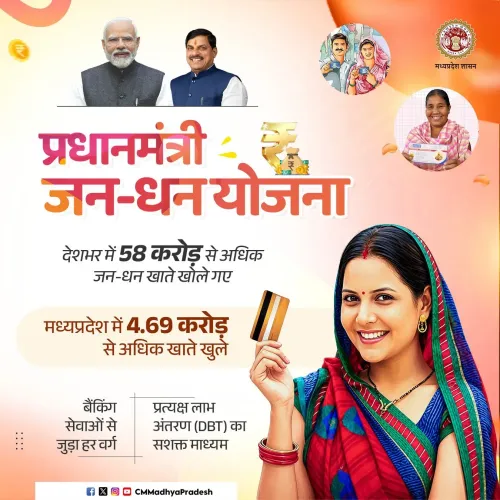
Madhya Pradesh Chief Minister Dr. Mohan Yadav on Monday, 15 June 2026, praised Prime Minister Narendra Modi for transforming welfare delivery in India, crediting zero-balance Jan Dhan accounts and the Direct Benefit Transfer (DBT) system with putting public entitlements directly into the hands of crores of citizens.
Context
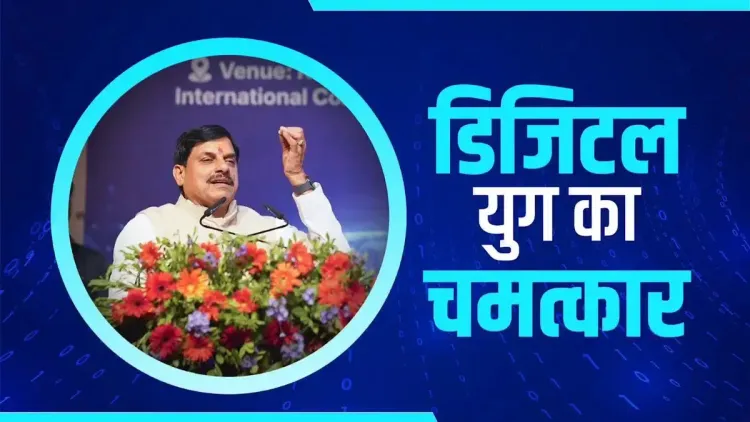
In a post on X, Dr. Yadav described the development as a marvel of the digital age — 'डिजिटल युग का चमत्कार' (a wonder of the digital era). He said Prime Minister Modi opened bank accounts for ordinary citizens at 'zero budget' and that the result is crores of people now receiving their rightful money directly in their accounts through DBT. The post was accompanied by a video, underscoring the visual scale of the financial inclusion drive.
The Chief Minister's remarks are part of a consistent pattern among BJP-governed states of amplifying the Centre's welfare-digitisation narrative, particularly around flagship schemes that have reshaped how subsidies and entitlements reach India's poorest households.
Policy Backdrop
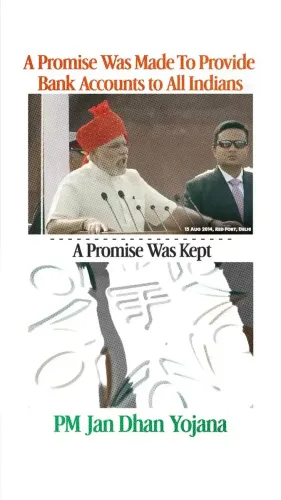
The Pradhan Mantri Jan Dhan Yojana (PMJDY) was launched on 28 August 2014 by Prime Minister Modi as a universal financial inclusion programme. It offered zero-balance savings accounts, RuPay debit cards, and insurance cover to previously unbanked households across India, particularly in rural and semi-urban areas.
The Direct Benefit Transfer system was scaled across central ministries from 2014–15 onward, initially piloted through LPG subsidy transfers and MGNREGA wage payments. Together with Aadhaar biometric identification and mobile connectivity, these three pillars form the JAM trinity — Jan Dhan, Aadhaar, Mobile — the backbone of India's digital welfare architecture. The stated goal has been to eliminate middlemen, reduce leakages, and ensure that government funds reach intended beneficiaries without diversion.
Madhya Pradesh, under successive BJP administrations, has aligned its own state welfare programmes with the same DBT infrastructure, channelling payments for agriculture support, scholarships, and social pensions through the central framework.
Stakeholders and Impact
The primary beneficiaries of this ecosystem are subsidy recipients, unbanked rural households, farmers, pensioners, and scholarship holders who previously depended on cash disbursements through intermediaries. The shift to direct transfers has been credited with reducing ghost beneficiaries and ensuring timely payment of entitlements across food, fuel, fertiliser, and education schemes.
For a state like Madhya Pradesh — with a large rural population and significant dependence on central welfare programmes — the DBT architecture has material consequences for millions of households. The Chief Minister's public endorsement also serves to reinforce state-level political ownership of a centrally driven reform.
What's Next
Analysts and policy watchers will look to the next DBT dashboard update and Economic Survey release for fresh data on coverage expansion, leakage reduction, and scheme-wise transfer volumes. As the government continues to deepen the Digital India and financial inclusion agenda, statements like Dr. Yadav's signal that welfare digitisation will remain a central plank of BJP political communication ahead of future electoral cycles. The broader question is whether last-mile connectivity gaps in tribal and remote areas of Madhya Pradesh and other states can be bridged to make the promise of universal DBT fully realisable.
Point of View
Where state chief ministers amplify central government welfare achievements to reinforce the party's governance narrative. The framing of Jan Dhan as a 'zero budget' miracle is designed to contrast with earlier cash-transfer regimes seen as leakage-prone, positioning Modi-era digitisation as a structural break. For Madhya Pradesh specifically, aligning with the DBT narrative also deflects scrutiny of state-level implementation gaps in last-mile delivery. Broader, this reflects the BJP's long-term bet that welfare digitisation, not just welfare spending, is an electorally durable message.
NationPress
15 Sept 2026
Frequently Asked Questions
What is the Pradhan Mantri Jan Dhan Yojana?
The Pradhan Mantri Jan Dhan Yojana (PMJDY) is a financial inclusion scheme launched by PM Narendra Modi on 28 August 2014 that provides zero-balance savings accounts, RuPay debit cards and insurance cover to unbanked households across India.
What is Direct Benefit Transfer (DBT) in India?
Direct Benefit Transfer (DBT) is a central government mechanism that routes welfare payments — including subsidies, pensions and scholarships — directly into beneficiaries' bank accounts using Aadhaar and core banking, reducing middlemen and leakages.
What did Madhya Pradesh CM Mohan Yadav say about DBT?
On 15 June 2026, CM Dr. Mohan Yadav posted on X praising PM Modi for opening zero-balance Jan Dhan accounts and said that as a result, crores of people are now receiving their rightful welfare money directly in their accounts through DBT.
What is the JAM trinity in Indian welfare policy?
The JAM trinity stands for Jan Dhan, Aadhaar and Mobile — the three digital pillars the central government has used since 2014–15 to digitise welfare delivery, eliminate ghost beneficiaries and ensure targeted transfer of subsidies.
How does Madhya Pradesh use DBT for welfare schemes?
Madhya Pradesh has aligned its state welfare programmes with the central DBT architecture, using it to channel payments for agriculture support, scholarships and social pensions directly into beneficiaries' bank accounts.