MP milk capital drive: Daily collection up 27% as CM Yadav pushes dairy push
Synopsis
Madhya Pradesh is not just talking about becoming India's milk capital — it is showing numbers. Daily milk collection has climbed 27% in two years to 9.75 lakh kg, payouts to farmers crossed ₹1,780 crore, and the state is chasing 3,827 new cooperatives by 2028–29. With the NDDB now running the state dairy federation and interest-free loans flowing to Gwalior and Jabalpur, the ambition has institutional weight behind it.
Key Takeaways
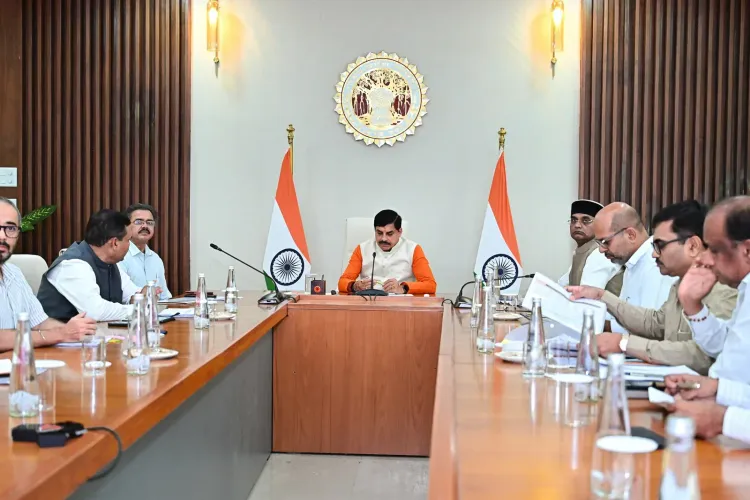
CM Mohan Yadav chaired a dairy review meeting on 18 August , directing faster action on MP's 'milk capital' goal.
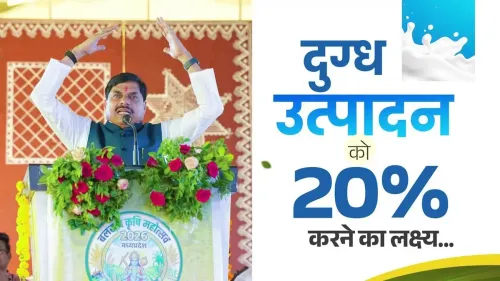
Daily milk collection rose from 8.73 lakh kg (2024–25) to 9.75 lakh kg by July 2026–27 — a 27% increase .
Payments to milk producers grew from ₹1,477 crore to ₹1,780 crore , also up over 27% .
2,000 new cooperative societies formed in two years; 1,926 operational and 801 inactive ones revived .
State targets 3,827 additional cooperatives by 2028–29 and dairy coverage in 50% of villages within five years.
NDDB has extended interest-free loans of ₹4.70 crore to Gwalior Milk Union and ₹5 crore to Jabalpur Milk Union.
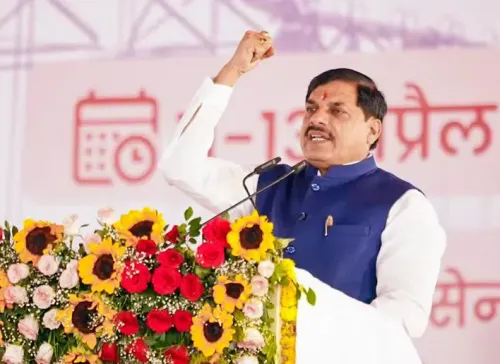
Madhya Pradesh Chief Minister Mohan Yadav on Tuesday, 18 August directed state officials to accelerate milk production and raise incomes for livestock farmers, reinforcing the state government's stated ambition of making Madhya Pradesh the country's 'milk capital'. The directive came after Yadav chaired a meeting of the State-Level Steering Committee in Bhopal to review the dairy sector's progress.
Key Developments in MP's Dairy Sector
Daily milk collection in the state has risen sharply over the past two years. According to officials, collection grew from 8.73 lakh kg in 2024–25 to 9.66 lakh kg in 2025–26, and further to 9.75 lakh kg per day by July 2026–27 — a cumulative increase of roughly 27 per cent. Payouts to milk producers tracked the same trajectory, rising from ₹1,477 crore in 2024–25 to ₹1,780 crore in 2025–26, also up more than 27 per cent.
Cooperative Expansion and Targets
Around 2,000 new milk cooperative societies have been formed across the state in the past two years. Of these, 1,926 are currently operational, while 801 previously inactive societies have been revived. The state has set a target of establishing an additional 3,827 milk cooperative societies by 2028–29, and aims to extend primary dairy cooperative coverage to at least 50 per cent of villages statewide over the next five years.
What the Government Said
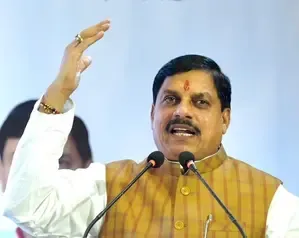
'Milk production should increase continuously, and the benefits of the dairy sector must reach animal herders. We have to move faster towards the goal of making Madhya Pradesh the milk capital,' Yadav said in a statement after the review meeting. He also called for full digitisation of the dairy value chain — from collection to processing to marketing — to improve efficiency and farmer incomes. 'The entire dairy value chain should become technology-driven and transparent,' he added.
NDDB's Role and Financial Support
The National Dairy Development Board (NDDB), which has taken over the Madhya Pradesh State Cooperative Dairy Federation (MPCDF), has extended interest-free loans to two regional milk unions: ₹4.70 crore to the Gwalior Milk Union and ₹5 crore to the Jabalpur Milk Union, according to the official statement. The funds are earmarked for milk collection and processing infrastructure.
What Comes Next
Officials have been directed to strengthen field-level marketing monitoring through information technology and to push cooperative formation at the village level. With the 2028–29 cooperative target in view and the NDDB's institutional backing now in place, the state's dairy ambitions are moving from policy into measurable execution — though independent verification of farmer income gains will be key to assessing real-world impact.
Point of View
But the 'milk capital' framing needs scrutiny — Madhya Pradesh still trails Rajasthan and Uttar Pradesh in absolute milk output, and the gap is substantial. The cooperative revival numbers are encouraging, but reviving 801 inactive societies does not automatically mean they are financially sustainable. The real test of this push will be whether farmer payouts per litre are rising, not just the aggregate payout figure, which naturally grows with volume. Digitisation of the dairy value chain is the right instinct, but without a transparent public dashboard, these targets risk becoming another cycle of well-intentioned announcements that outpace verifiable outcomes.
NationPress
19 Aug 2026
Frequently Asked Questions
What is Madhya Pradesh's 'milk capital' goal?
Madhya Pradesh aims to become India's leading milk-producing state, a goal CM Mohan Yadav has been actively pursuing through cooperative expansion, technology-driven dairy management, and increased payouts to livestock farmers. Daily milk collection has risen 27% over the past two years to 9.75 lakh kg per day as of July 2026–27.
By how much has milk collection increased in Madhya Pradesh?
Daily milk collection in MP rose from 8.73 lakh kg in 2024–25 to 9.75 lakh kg per day by July 2026–27 — an increase of approximately 27% over two years. Payouts to producers also rose from ₹1,477 crore to ₹1,780 crore over the same period.
What is the state's cooperative expansion target?
Madhya Pradesh aims to establish 3,827 additional milk cooperative societies by 2028–29. It also targets dairy cooperative coverage in at least 50% of villages across the state within the next five years. Around 2,000 new societies have already been formed in the past two years.
What role is the NDDB playing in MP's dairy sector?
The National Dairy Development Board (NDDB) has taken over the Madhya Pradesh State Cooperative Dairy Federation (MPCDF) and is providing financial support to regional milk unions. It has extended interest-free loans of ₹4.70 crore to the Gwalior Milk Union and ₹5 crore to the Jabalpur Milk Union for collection and processing infrastructure.
What did CM Mohan Yadav direct officials to do at the review meeting?
CM Yadav directed officials to increase milk collection, strengthen field-level marketing monitoring through IT, and digitise the entire dairy value chain from collection to processing to marketing. He emphasised that the process must become technology-driven and transparent to improve farmer incomes.