CM Yogi Accuses SP, Congress of Defaming Ayodhya and Lord Ram
Synopsis
Uttar Pradesh Chief Minister Yogi Adityanath accused the Samajwadi Party and Congress of taking up the 'contract' of defaming Ayodhya Dham and Lord Ram's legacy in a charged 8 July 2026 post on X, sharpening the BJP's cultural offensive ahead of the 2027 state elections.
Key Takeaways
CM Yogi Adityanath posted on 8 July 2026 accusing SP and Congress of defaming Ayodhya Dham and Lord Ram's legacy.
The post was in Hindi and used the phrase 'theka le liya hai' ('have taken up the contract'), indicating a sustained, deliberate effort by the opposition, in the Chief Minister's framing.
The Ram Temple at Ayodhya was consecrated on 22 January 2024 following a Supreme Court verdict in November 2019 .
The Samajwadi Party and Congress have allied in recent Uttar Pradesh elections and both opposed the Ram Janmabhoomi movement in the 1980s-90s .
The accusation sets up a key cultural battleground for the 2027 Uttar Pradesh Assembly elections .
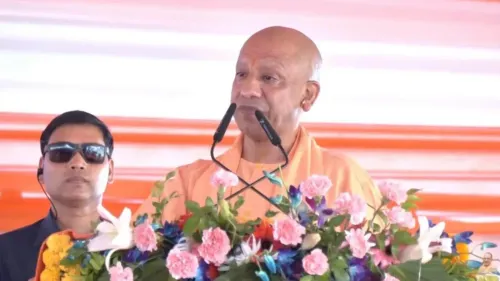
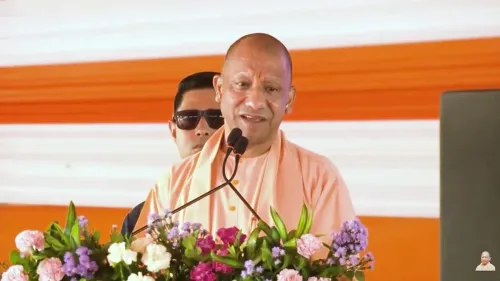
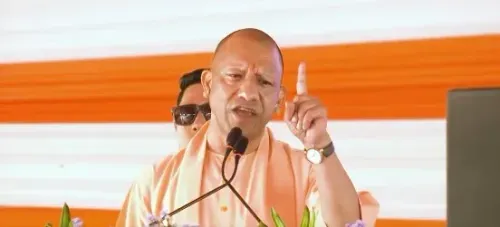
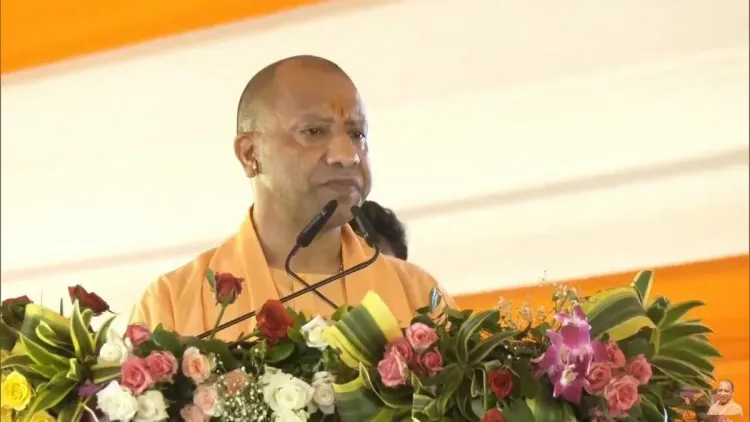
Uttar Pradesh Chief Minister Yogi Adityanath on Wednesday, 8 July 2026 sharply accused the Samajwadi Party and the Indian National Congress of systematically working to defame Ayodhya Dham and the legacy of Lord Ram, in a post on X that quickly drew political attention across the state.
In the Hindi-language post, the Chief Minister wrote: 'Samajwadi Party aur Congress ne Shri Ayodhya Dham tatha Prabhu Shri Ram ki virasat ko badnaam karne ka theka le liya hai' — meaning, 'The Samajwadi Party and Congress have taken up the contract of defaming Shri Ayodhya Dham and the legacy of Lord Shri Ram.' The language was pointed and unambiguous, framing both opposition parties as acting in concert against a site of deep religious significance for millions of Hindus.
Context
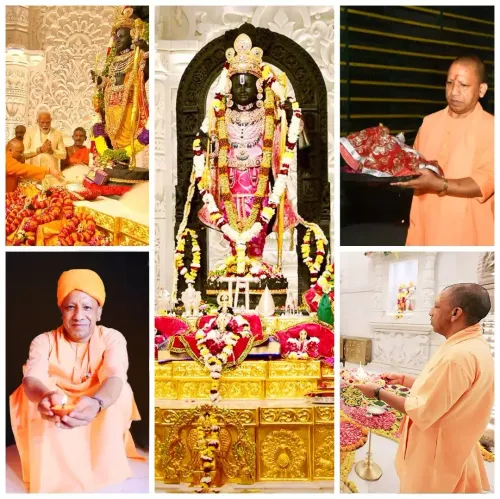
Ayodhya, located in Uttar Pradesh, is revered by Hindus as the birthplace of Lord Ram and was at the centre of one of India's longest-running legal and political disputes. The Supreme Court of India in November 2019 awarded the disputed site to a trust for the construction of a Ram temple, ending decades of litigation. The Pran Pratishtha (consecration ceremony) of the Ram Temple was performed on 22 January 2024, marking a landmark moment for the Ram Janmabhoomi movement.
Since the temple's consecration, Ayodhya has become a focal point of both religious tourism and political messaging in Uttar Pradesh. The BJP government has invested significantly in infrastructure development around the temple town, positioning the project as a civilisational restoration.
Policy Backdrop
Since 2014, the BJP has made the restoration and development of Hindu pilgrimage sites a core element of both governance and electoral strategy, with Ayodhya serving as the most prominent symbol of this approach. State and central governments have channelled funds into road, rail, and airport infrastructure in and around the city, framing any criticism of the project as an affront to Hindu religious sentiment.
The Samajwadi Party, led by Akhilesh Yadav, has been the principal opposition to the BJP in Uttar Pradesh since 2017 and has allied with the Congress in recent state elections. Both parties opposed the Ram Janmabhoomi movement during its most contentious phase in the 1980s and 1990s, a history the BJP has consistently invoked in political campaigns.
Stakeholders and Impact
The post is directed at Hindu devotees — a vast and politically significant constituency in Uttar Pradesh, which sends the largest number of members to the Lok Sabha of any Indian state. Any perceived slight against Ayodhya or Lord Ram carries considerable electoral weight, particularly in the Awadh belt where the temple is located.
For the Samajwadi Party and Congress, the accusation puts them on the defensive on a cultural and religious issue ahead of the 2027 Uttar Pradesh Assembly elections. Both parties will likely be compelled to respond, either by rebutting the charge or by reaffirming their own stated respect for Ayodhya and its traditions.
What's Next
Political observers will watch for a formal response from Akhilesh Yadav's Samajwadi Party and the Congress leadership, which may seek to counter the narrative before it takes hold in public discourse. With the 2027 Uttar Pradesh Assembly elections on the horizon, the framing of opposition parties as hostile to Ayodhya is likely to recur as a campaign motif for the BJP. Chief Minister Yogi Adityanath's post signals an early and aggressive staking out of the cultural terrain that will define the next electoral cycle in India's most populous state.
Point of View
Using Ayodhya as both a religious symbol and an electoral weapon. By framing the opposition's criticism — whatever its specific trigger — as a 'contract to defame,' he elevates a political dispute into a question of cultural loyalty, making it harder for SP and Congress to respond without appearing defensive on Hindu sentiment. This move fits a broader pattern since 2014 of the BJP converting pilgrimage-site development into durable electoral capital in Uttar Pradesh. With 2027 assembly elections approaching, the post is as much a campaign signal as a political rebuke.
NationPress
8 Jul 2026
Frequently Asked Questions
Why did CM Yogi Adityanath accuse SP and Congress of defaming Ayodhya?
Chief Minister Yogi Adityanath posted on 8 July 2026 that the Samajwadi Party and Congress have taken up the 'contract' of defaming Ayodhya Dham and Lord Ram's legacy, though the specific triggering incident has not been officially confirmed.
What is the significance of Ayodhya in Indian politics?
Ayodhya is revered as the birthplace of Lord Ram and was the site of the Ram Janmabhoomi dispute, resolved by the Supreme Court in 2019. The Ram Temple was consecrated there on 22 January 2024, making it a central symbol in BJP's political and cultural messaging.
What is the Samajwadi Party's stance on the Ram Temple?
The Samajwadi Party, led by Akhilesh Yadav, has been the principal opposition to the BJP in Uttar Pradesh and, along with Congress, opposed the Ram Janmabhoomi movement in the 1980s and 1990s — a history the BJP frequently references in political debates.
How does this post relate to the 2027 UP elections?
Political analysts see CM Yogi's post as an early signal of the BJP's cultural campaign strategy for the 2027 Uttar Pradesh Assembly elections, positioning Ayodhya and Lord Ram's legacy as litmus tests of political credibility for all parties in the state.
What did CM Yogi Adityanath say exactly about SP and Congress?
He wrote in Hindi that 'Samajwadi Party and Congress have taken up the contract of defaming Shri Ayodhya Dham and the legacy of Lord Shri Ram,' using the word 'theka' (contract) to suggest a deliberate and organised effort by the opposition.