CM Yogi Approves Agra Hostel for 500 Working Women
Synopsis
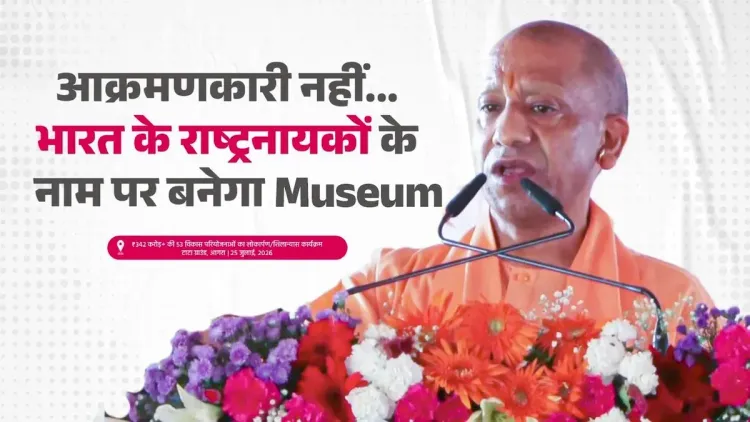
The Uttar Pradesh Chief Minister's Office announced on 25 July 2026 that funds have been sanctioned for a Shramjeevi Hostel in Agra for 500 working women, named in memory of 18th-century Maratha queen Ahilyabai Holkar, as part of the state's women's welfare infrastructure drive.
Key Takeaways
The Chief Minister's Office of Uttar Pradesh announced on 25 July 2026 that funds have been sanctioned for a Shramjeevi Hostel in Agra .
The hostel will accommodate 500 working women from lower-income groups.
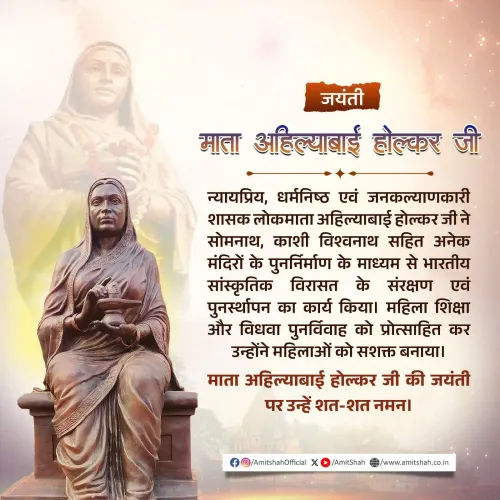
The facility will be built in memory of Lokamata Ahilyabai Holkar , the celebrated 18th-century Maratha queen of Indore.
The announcement is attributed to Chief Minister Yogi Adityanath via the official CMOfficeUP account.
The project follows the UP government's post-2017 pattern of expanding women's hostel infrastructure across the state while naming facilities after historical women leaders.
The construction timeline and tendering process are yet to be publicly detailed.
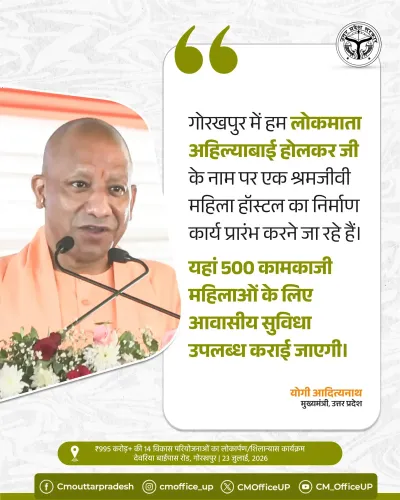
The Chief Minister's Office of Uttar Pradesh announced on Saturday, 25 July 2026 that funds have been sanctioned for the construction of a Shramjeevi Hostel in Agra — a working-women's residential facility for 500 women — to be built in memory of 18th-century Maratha queen Ahilyabai Holkar, reverently titled 'Lokamata' (Mother of the People).
Context
The official post from the Chief Minister's Office, attributed to Chief Minister Yogi Adityanath, states: 'Agra mein Lokamata Ahilyabai Holkar ki smriti mein 500 mahilaon ke liye Shramjeevi Hostel ke nirman ke liye dhanrashi svikrit ho gayi hai' — meaning, 'In Agra, funds have been approved for the construction of a Shramjeevi Hostel for 500 women in memory of Lokamata Ahilyabai Holkar.' The announcement ties a concrete welfare infrastructure project to the legacy of one of India's most celebrated women rulers.
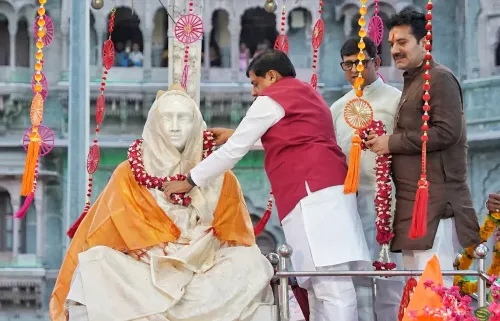
Ahilyabai Holkar (1725–1795) was the queen of the Maratha Holkar dynasty of Indore, widely remembered for her administrative acumen, public works — including the construction and restoration of temples and dharamshalas across the subcontinent — and her championing of ordinary citizens, particularly women and the poor. Her title 'Lokamata' reflects the reverence she commands across communities in India.
Policy Backdrop
The Shramjeevi Hostel scheme is a state-supported initiative providing affordable, safe accommodation to working women from lower-income groups in urban areas. A comparable framework at the central level — the Working Women's Hostel scheme under the Ministry of Women and Child Development — has funded similar facilities since the 1970s, with periodic revisions to eligibility and funding norms.
Since 2017, the Uttar Pradesh government under CM Yogi Adityanath has expanded women's hostel projects across multiple districts as part of broader women's empowerment and safety initiatives. A recurring feature of this approach has been the naming of new public facilities after prominent historical women leaders, pairing infrastructure delivery with cultural commemoration.
Stakeholders and Impact
Agra, a major city in western Uttar Pradesh known globally for the Taj Mahal, is also a hub for tourism, small-scale industry, and education — sectors that draw a significant population of women workers and students from surrounding districts. The new hostel, once built, would provide secure and affordable housing to up to 500 working women, addressing a documented gap in urban accommodation for women in the city.
For working women from lower-income backgrounds — domestic workers, factory employees, healthcare staff, and students — access to safe, affordable housing in a city like Agra can be a decisive factor in economic participation. Welfare advocates have long flagged the shortage of such facilities in Tier-2 and Tier-3 cities across the state.
What's Next
With the fund sanction now confirmed, attention will turn to the tendering and construction timeline for the Agra Shramjeevi Hostel. The state government may also announce similar approvals for other districts, consistent with its pattern of rolling out welfare infrastructure in phases across Uttar Pradesh. The naming of the facility after Ahilyabai Holkar is also likely to add symbolic weight to the government's broader outreach ahead of future electoral cycles, though the immediate beneficiary remains the city's working-women population.
Point of View
The legacy of Ahilyabai Holkar, a figure with cross-community appeal. Naming public assets after historical women leaders allows the state to signal women's empowerment without entering contentious contemporary political territory. The choice of Agra — a high-visibility city with a large working-class and migrant-worker population — also ensures the project receives national attention disproportionate to its scale. Analysts will watch whether similar sanctions follow for other districts, which would indicate a systematic rollout rather than a one-off announcement.
NationPress
25 Jul 2026
Frequently Asked Questions
What is the Shramjeevi Hostel scheme in Uttar Pradesh?
The Shramjeevi Hostel scheme provides affordable and safe residential accommodation to working women from lower-income groups in urban areas of Uttar Pradesh, supported by state government funding.
Why is the Agra hostel being named after Ahilyabai Holkar?
The hostel is being built in memory of Ahilyabai Holkar , the 18th-century Maratha queen of Indore known as Lokamata (Mother of the People), who is celebrated for her welfare works and administrative reforms across India.
How many women will the new Agra hostel accommodate?
The sanctioned Shramjeevi Hostel in Agra is designed to accommodate 500 working women .
Who announced the Agra working women's hostel?
The announcement was made by the Chief Minister's Office of Uttar Pradesh on 25 July 2026 , attributed to Chief Minister Yogi Adityanath .
What is the current status of the Agra Shramjeevi Hostel project?
As of 25 July 2026 , funds have been officially sanctioned for the project. The construction timeline and tendering details have not yet been publicly announced.