CM Yogi Calls Census 2027 a National Duty for UP Residents
Synopsis
Uttar Pradesh CM Yogi Adityanath has urged residents to treat Census 2027 and the SIR programme as a national duty, as India prepares to conduct its first full census since 2011 after the COVID-delayed 2021 round never materialised.
Key Takeaways
CM Yogi Adityanath posted on 19 November 2026 calling both Census 2027 and the SIR programme 'extremely important' and urging citizen participation as a national duty.
India's last completed decennial census was in 2011 ; the 2021 census was postponed due to the COVID-19 pandemic and never conducted.
Uttar Pradesh houses roughly 240 million people — about one-sixth of India's total population — making its enumeration coverage pivotal for national data accuracy.
Accurate census data underpins welfare scheme targeting, parliamentary delimitation, and infrastructure planning across India.
CM Yogi linked the census with the SIR programme , signalling a coordinated administrative data push in the state; the full form of SIR has not been specified in the post.
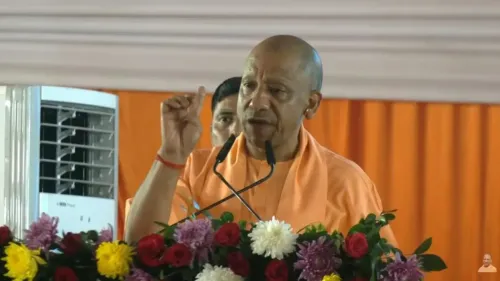
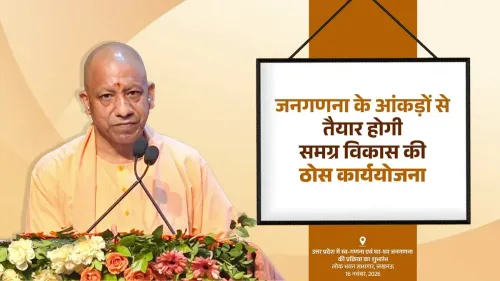
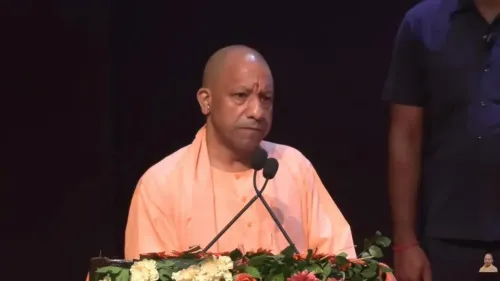
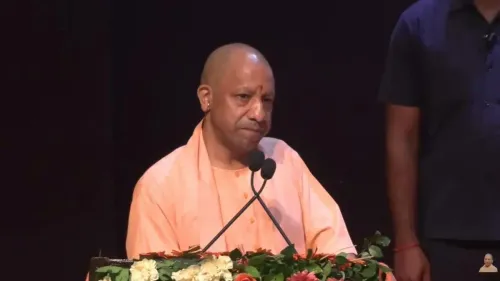
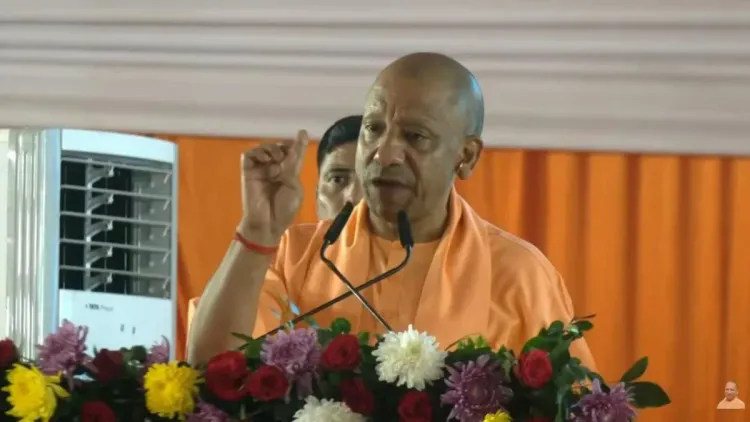
India's most populous state has a message for its citizens: the upcoming census is not paperwork — it is a patriotic obligation. Uttar Pradesh Chief Minister Yogi Adityanath on Thursday, 19 November 2026 urged every resident to treat both Census 2027 and the SIR programme as expressions of national duty, calling the two exercises 'extremely important.'
Posting in Hindi, CM Yogi wrote: 'जनगणना-2027 और SIR अत्यंत महत्वपूर्ण हैं... अपना राष्ट्रीय कर्तव्य मानकर इन दोनों कार्यक्रमों के साथ जुड़ना है...' — which translates as: 'Census-2027 and SIR are extremely important... one must connect with both these programmes, treating it as one's national duty.'A Census Five Years Overdue — Why 2027 Matters
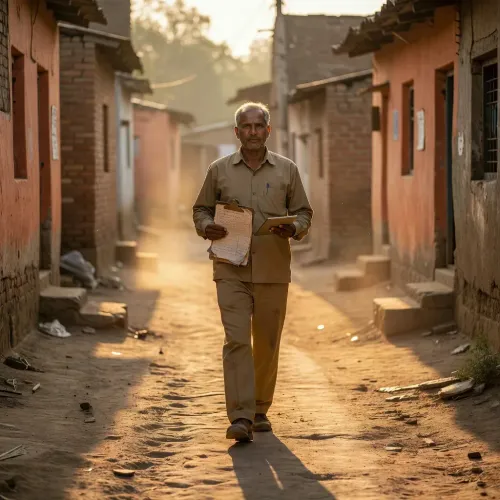
India's last full decennial census was completed in 2011. The 2021 census — which should have delivered fresh demographic data critical for welfare scheme targeting, parliamentary delimitation, and infrastructure planning — was postponed indefinitely due to the COVID-19 pandemic and has yet to be conducted. That means India has been governing the world's most populous nation on fifteen-year-old headcounts.
The delay has real consequences. Subsidy rolls, constituency boundaries, school and hospital allocation ratios, and urban planning projections all depend on accurate enumeration. For Uttar Pradesh — home to roughly 240 million people and a state whose political weight shapes national electoral arithmetic — a credible, high-coverage census is not a bureaucratic formality. It is foundational data infrastructure.
CM Yogi's Civic Mobilisation Push
By framing participation as a 'national duty' rather than a legal requirement, CM Adityanath is deploying a familiar and effective lever: moral suasion. Indian state leaders have historically used such language to maximise enumeration coverage, particularly in dense urban clusters and remote rural stretches where enumerators struggle to reach every household. High non-response rates distort the data that every subsequent government scheme relies on.
The linkage with SIR — whose full form has not been specified in the post — signals a coordinated administrative data exercise, suggesting Uttar Pradesh intends to run both programmes in tandem rather than sequentially. That coordination, if executed well, could reduce the burden on households asked to engage with multiple government data collectors in a short window.
What Uttar Pradesh's Participation Will Signal Nationally
With roughly one-sixth of India's total population, Uttar Pradesh's enumeration quality can make or break national census accuracy. A strong participation drive from the state's highest office gives district-level machinery both the political cover and the top-down momentum to push completion rates. The coming weeks will reveal the rollout timeline, the deployment of Uttar Pradesh's administrative machinery, and what the SIR programme formally entails.
Fifteen years is a long time for a democracy to operate without fresh demographic truth. Census 2027 is the chance to close that gap — and CM Yogi wants Uttar Pradesh counted, completely.
Point of View
CM Yogi Adityanath is doing something strategically significant: converting a technocratic administrative exercise into a civic identity moment, which historically boosts enumeration rates in India's most complex enumeration terrain. For the BJP, a high-quality, high-coverage census in Uttar Pradesh also feeds into the upcoming delimitation exercise that will redraw parliamentary constituency boundaries — a process with enormous implications for the party's long-term electoral geography. The pairing with the unspecified SIR programme suggests the state is treating this as a composite data modernisation push rather than a standalone headcount. If UP can model strong coordination, it sets a template other large states will likely follow.
NationPress
19 Nov 2026
Frequently Asked Questions
Why is the Census 2027 so important for India?
India has been without a fresh national census since 2011 because the 2021 census was indefinitely postponed due to the COVID-19 pandemic. Census 2027 will provide the first updated demographic data in over fifteen years, which governments use for welfare targeting, delimitation of parliamentary seats, and infrastructure planning.
What did CM Yogi Adityanath say about Census 2027?
CM Yogi Adityanath posted on 19 November 2026 calling Census 2027 and the SIR programme 'extremely important' and urging every citizen to participate in both, treating them as a national duty.
What is the SIR programme mentioned by CM Yogi?
The full form of SIR was not specified in CM Yogi's post. It appears to be a separate but coordinated administrative data exercise that the UP government intends to run alongside Census 2027 .
When was the last census conducted in India?
India's last complete decennial census was conducted in 2011 . The 2021 census was delayed due to the COVID-19 pandemic and was never carried out, making Census 2027 the first fresh enumeration in over fifteen years.
How does the census affect Uttar Pradesh specifically?
Uttar Pradesh is India's most populous state, home to roughly 240 million people . Accurate enumeration determines its share of central welfare funds, school and hospital resource allocation, and will influence constituency boundaries in the upcoming parliamentary delimitation exercise.