CM Yogi calls Deepotsav-2026 a spiritual observance of ancient traditions
Synopsis
Uttar Pradesh Chief Minister Yogi Adityanath has described Deepotsav-2026 as a spiritual observance of India's ancient traditions, ahead of the annual festival of lights on the Sarayu riverbanks in Ayodhya — now in its ninth consecutive year.
Key Takeaways
CM Yogi Adityanath posted on 9 November 2026 framing Deepotsav-2026 as a 'spiritual observance of our ancient traditions.' The Uttar Pradesh government has organised Deepotsav annually since 2017 , making 2026 the ninth consecutive edition.
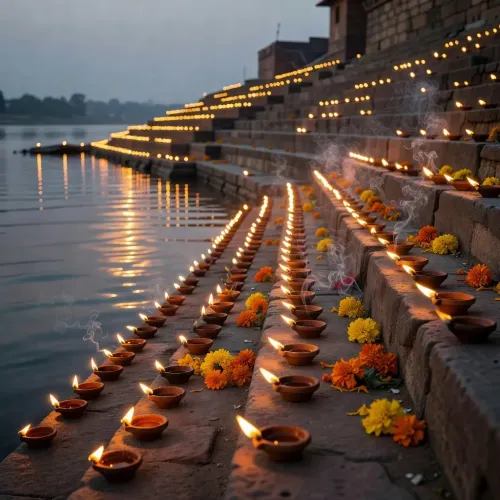
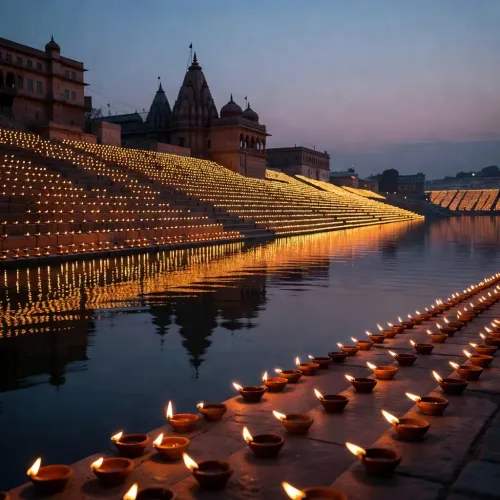
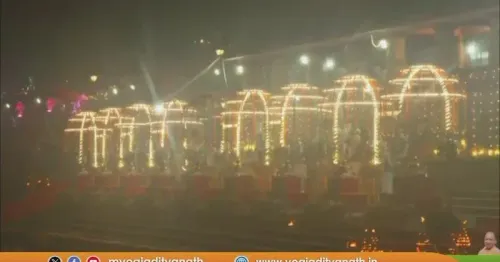
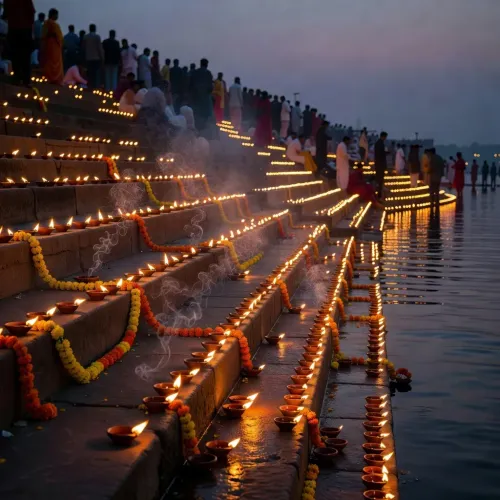
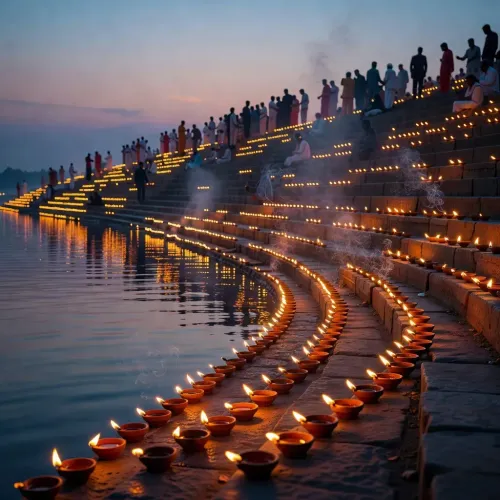
The festival centres on Ayodhya and the Sarayu river , with thousands of earthen lamps lit along the ghats during the Diwali season.
The event forms part of UP's broader strategy of pairing cultural tourism with infrastructure investment around religious sites.
CM Yogi's framing positions the state as a custodian of Hindu tradition, not just an event organiser.
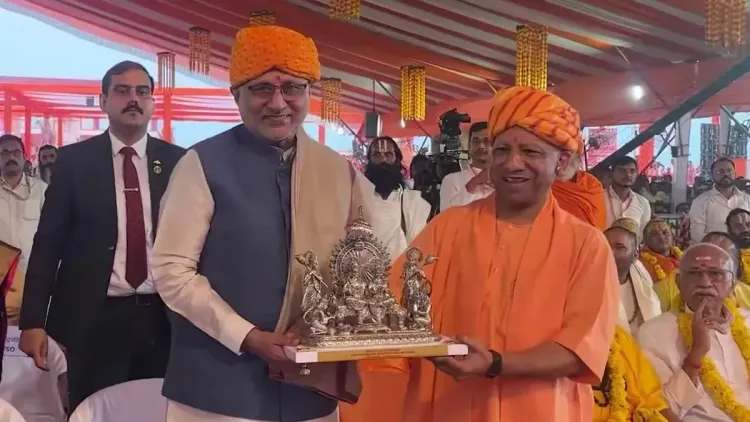
As Ayodhya prepares to light up the banks of the Sarayu river once again, Uttar Pradesh Chief Minister Yogi Adityanath set the tone for Deepotsav-2026 on Monday, 9 November 2026, describing the annual festival as a sacred spiritual observance rooted in India's oldest traditions.
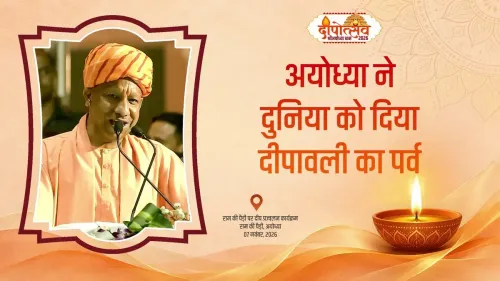
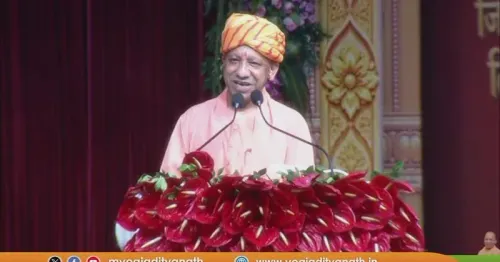
Posting on X, the Chief Minister wrote: 'दीपोत्सव-2026 हमारी पुरातन परंपराओं का आध्यात्मिक अनुष्ठान' — 'Deepotsav-2026 is a spiritual observance of our ancient traditions.' The phrasing is deliberate. It frames the event not merely as a government-organised spectacle but as a living continuation of a civilisational ritual.
Nine years of diyas: how Ayodhya became Deepotsav's home
Ayodhya, the sacred city at the heart of Hindu tradition and home to the Ram Mandir, has hosted Deepotsav every year since the Uttar Pradesh government first organised the event in 2017. What began as a cultural initiative quickly became a landmark occasion — thousands of earthen lamps lit along the Sarayu riverbank, drawing pilgrims, tourists, and devotees from across the country. By its ninth edition, the festival carries the weight of an established state tradition, not just a seasonal event.
The Yogi administration has consistently positioned Deepotsav as both a spiritual homecoming and a tourism anchor. Infrastructure investments around Ayodhya — roads, ghats, the Ram Mandir complex itself — have run in parallel with the festival's growing profile, turning the city into one of Uttar Pradesh's most high-profile religious destinations.
Culture as governance: the UP model of festival diplomacy
Deepotsav sits inside a broader pattern. Since 2017, the Uttar Pradesh government has used major Hindu festivals as platforms to project state identity — blending the spiritual with the administrative, the traditional with the touristic. The Chief Minister's framing of Deepotsav as an 'आध्यात्मिक अनुष्ठान' (spiritual observance) rather than a government programme is itself a signal: the state positions itself as custodian of a tradition, not just an event organiser.
That framing has political and cultural resonance. It places the government in alignment with religious sentiment while simultaneously generating tourism revenue, international attention, and a distinctive state brand built around Ayodhya's significance in Hindu consciousness.
When thousands of diyas catch the Sarayu's reflection, they carry both a prayer and a policy. That is the duality Deepotsav has come to embody — and in 2026, Yogi Adityanath wants that message heard clearly before the first lamp is lit.
Point of View
The Chief Minister reinforces a deliberate rhetorical posture: the government does not organise tradition, it protects it. This framing has real political utility in Uttar Pradesh, where the Ram Mandir and Ayodhya's revival carry deep voter resonance. As the 2027 assembly cycle approaches, expect Deepotsav to serve as both a cultural milestone and a campaign backdrop.
NationPress
9 Nov 2026
Frequently Asked Questions
What is Deepotsav and where is it held?
Deepotsav is an annual festival of lights held in Ayodhya, Uttar Pradesh , featuring thousands of earthen diyas lit along the Sarayu river during the Diwali season. The Uttar Pradesh government has organised it every year since 2017 .
When did CM Yogi post about Deepotsav-2026?
Uttar Pradesh Chief Minister Yogi Adityanath posted on X on Monday, 9 November 2026 , describing Deepotsav-2026 as a spiritual observance of India's ancient traditions.
How many years has the UP government been holding Deepotsav?
The Uttar Pradesh government first organised Deepotsav in 2017 . The 2026 edition marks nine consecutive years of the state-organised festival in Ayodhya.
What is the significance of Ayodhya for Deepotsav?
Ayodhya is a central holy city in Hindu tradition and the site of the Ram Mandir . Its location on the Sarayu river makes it the symbolic heart of the Deepotsav celebrations.
What does Deepotsav mean for Uttar Pradesh tourism?
Since its launch in 2017, Deepotsav has been part of a UP government strategy to promote religious and cultural tourism in Ayodhya, running alongside major infrastructure investments around the city's ghats and temple complex.