CM Yogi Deploys NDRF, SDRF, PAC Flood Units Across UP
Synopsis
Chief Minister Yogi Adityanath has deployed two NDRF and two SDRF teams alongside PAC flood units in Uttar Pradesh's flood-hit areas. The entire district administration and Irrigation Department engineers have been on alert since 28 September 2026, with continuous monitoring underway.
Key Takeaways
Two NDRF teams and two SDRF teams have been deployed in flood-affected areas of Uttar Pradesh.
The PAC Flood Unit has also been pressed into service for relief and rescue operations.
The entire district administration and all Irrigation Department engineers have been mobilised since 28 September 2026 .
CM Yogi Adityanath confirmed the state is maintaining continuous surveillance over flood-affected zones.
Flood response in UP follows established monsoon protocols involving coordinated central and state force deployment.
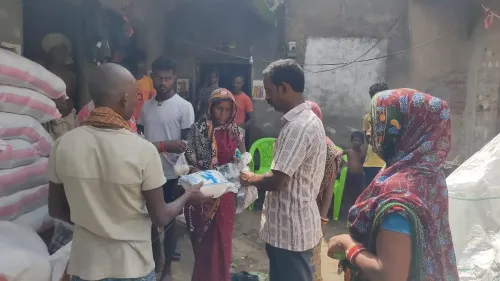
Flood waters are rising in Uttar Pradesh, and the state machinery is already in motion. The Chief Minister's Office of Uttar Pradesh confirmed on Tuesday, 29 September 2026 that Chief Minister Yogi Adityanath has ordered a full-scale emergency deployment across flood-affected districts — with central and state disaster forces on the ground since the previous day.
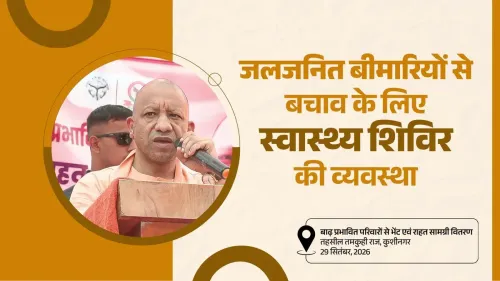
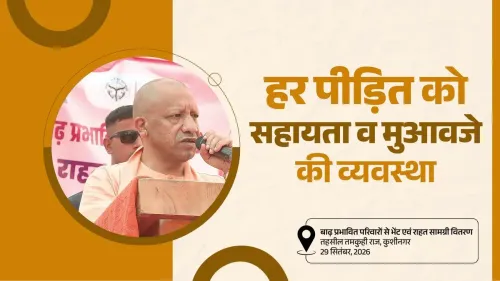
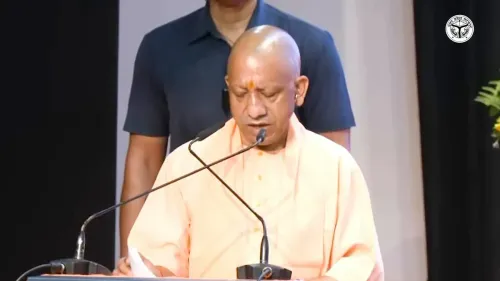
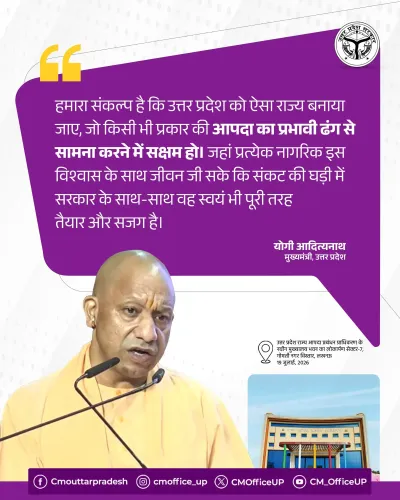
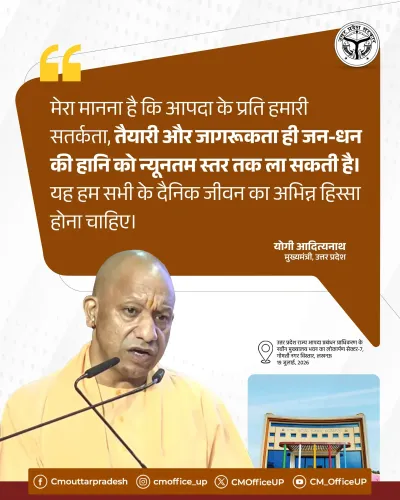
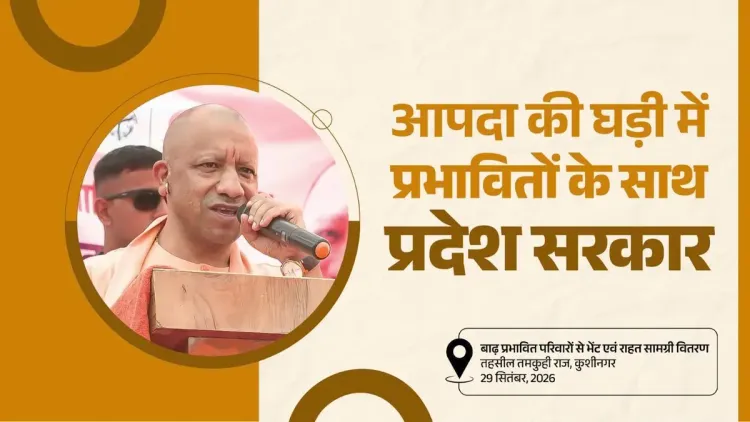
Speaking directly through the CMO's official account, CM Yogi Adityanath stated: 'Baadh prabhavit kshetron par hum nirantar nazar banaye hue hain' — 'We are continuously keeping watch over flood-affected areas.' The statement confirmed that two teams each of the NDRF and SDRF, along with the PAC's dedicated Flood Unit, have been deployed for relief and rescue operations.
Five Forces, One Command: What's on the Ground
The deployment is a layered response. The National Disaster Response Force (NDRF) — India's elite central agency for disaster rescue — brings specialised boats, divers, and medical capacity. Alongside it, the State Disaster Response Force (SDRF) of Uttar Pradesh handles localised inundation with knowledge of terrain and district-level coordination. The Provincial Armed Constabulary (PAC), UP's state police force, adds its specialised flood unit to the mix — a resource that has historically proved critical in reaching interior waterlogged villages.
CM Yogi's statement also confirmed that the entire district administration and all engineers of the Irrigation Department have been mobilised since the day before the announcement — signalling that the response was not reactive but pre-positioned.
Monsoon Flooding: A Recurring Test for UP's Governance
Uttar Pradesh is among India's most flood-vulnerable states. Every monsoon season, rivers including the Ganga and Yamuna breach their banks, submerging low-lying districts and displacing thousands. The state has maintained standing protocols for rapid mobilisation of NDRF, SDRF, and PAC units — but the speed and scale of deployment often determine how much damage is contained.
The involvement of Irrigation Department engineers alongside disaster forces is notable. Embankment integrity and sluice gate management are as critical as rescue boats in preventing a flood from becoming a catastrophe. Their simultaneous deployment suggests the administration is managing both active rescue and infrastructure protection at once.
Official damage assessments and district-level updates are expected as flood levels are monitored in the coming hours and days.
The next 24 to 48 hours will determine whether the pre-positioned forces hold the line — or whether Uttar Pradesh needs to escalate further.
Point of View
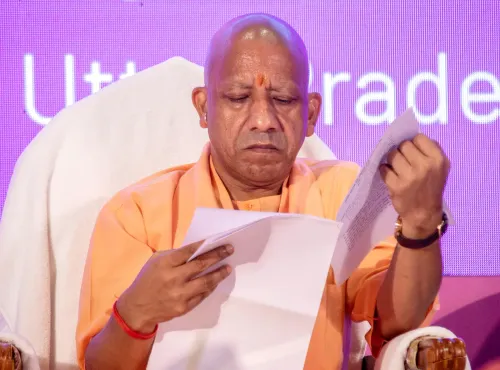
First-person statement through the CMO account is a deliberate governance-visibility move — placing the Chief Minister at the centre of disaster command rather than delegating communication to bureaucrats. The simultaneous deployment of central (NDRF), state (SDRF), and police (PAC) forces, alongside Irrigation Department engineers, reflects a whole-of-government approach that UP has refined over successive flood seasons. For Yogi's administration, visible and swift flood response carries political weight in a state where riverine disasters affect millions of voters annually. The key test, as always, is not the announcement but the outcomes on the ground over the next 48 hours.
NationPress
29 Sept 2026
Frequently Asked Questions
Which forces have been deployed for UP flood relief in 2026?
Two teams each of the NDRF and SDRF, along with the PAC Flood Unit, have been deployed in flood-affected areas of Uttar Pradesh as confirmed by CM Yogi Adityanath on 29 September 2026.
What is the NDRF and what does it do during floods?
The National Disaster Response Force (NDRF) is India's central agency for disaster rescue, equipped with specialised boats, divers, and medical teams to assist in flood relief and evacuation operations.
What is the PAC Flood Unit in Uttar Pradesh?
The Provincial Armed Constabulary (PAC) is UP's state police force that maintains a dedicated Flood Unit for rescue and relief operations during inundation events across the state.
Why are Irrigation Department engineers deployed during UP floods?
Irrigation Department engineers manage embankments, sluice gates, and water infrastructure during floods, helping prevent breaches that could worsen inundation in vulnerable districts.
How does Uttar Pradesh respond to annual monsoon flooding?
UP follows standing protocols for rapid mobilisation of NDRF, SDRF, and PAC units every monsoon season, coordinated with district administrations to manage flooding along rivers like the Ganga and Yamuna.