CM Yogi Directs Quality Education, Barrier-Free Access for Divyangjan
Synopsis
Chief Minister Yogi Adityanath on 2 July 2026 directed Uttar Pradesh's disability empowerment department to effectively implement all rehabilitation schemes and ensure quality, uninterrupted education in special schools through timely teacher deployment and barrier-free infrastructure.
Key Takeaways
CM Yogi Adityanath issued directives on 2 July 2026 for the effective implementation of all Divyangjan Sashaktikaran Vibhag schemes in Uttar Pradesh .
The stated goal is to provide persons with disabilities a dignified, secure and self-reliant life through social, economic, medical, physical and educational rehabilitation.
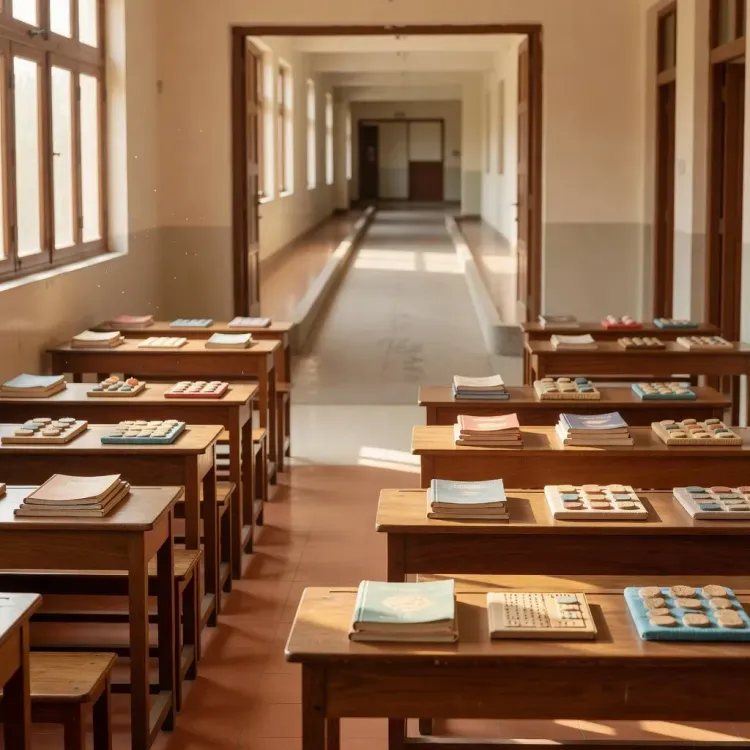
Special schools must develop quality education environments with trained staff, modern facilities and barrier-free infrastructure.
Teacher deployment in special schools must be completed in a time-bound manner to prevent any disruption to disabled children's education.
The directives align with the Rights of Persons with Disabilities Act, 2016 , which recognises 21 disability categories and mandates inclusive, accessible education.
District-level compliance on staffing and infrastructure upgrades will be the key metric for follow-up action.
The Chief Minister's Office of Uttar Pradesh, posting on behalf of Chief Minister Yogi Adityanath, issued a set of directives on Thursday, 2 July 2026, calling for the effective implementation of all schemes under the state's Divyangjan Sashaktikaran Vibhag (Department for Empowerment of Persons with Disabilities) to ensure a dignified, secure and self-reliant life for persons with disabilities.
Context
The Chief Minister stated that the objective of the department's schemes is to provide persons with disabilities — referred to with the respectful Hindi term divyangjan — a life of dignity, security and self-reliance. He called for effective implementation of all schemes related to social, economic, medical, physical and educational rehabilitation. The directive underscores the state government's stated commitment to translating policy intent into ground-level outcomes for one of the country's most vulnerable populations.
Policy Backdrop
The directives align with the framework established by the Rights of Persons with Disabilities Act, 2016, which expanded recognised disability categories to 21 and mandated inclusive education alongside barrier-free access to public infrastructure. Uttar Pradesh has maintained a dedicated Divyangjan Sashaktikaran Vibhag to coordinate both central and state-level rehabilitation schemes, including the ADIP Scheme, which provides assistive devices and aids to persons with disabilities. Successive state-level directives have consistently emphasised quality schooling, trained personnel and accessible infrastructure as pillars of disability welfare.
CM Yogi Adityanath, who has led the state since 2017, has periodically reviewed the functioning of welfare departments, with the disability empowerment portfolio forming part of the broader social-security architecture. The July 2026 directive appears to be part of an ongoing review cycle aimed at tightening departmental accountability.
Key Directives Issued
The Chief Minister specifically directed that special schools for children with disabilities must develop quality education environments, supported by trained human resources, modern facilities and barrier-free infrastructure. He emphasised that teacher deployment must be carried out in a time-bound manner so that the education of disabled children is not disrupted at any level. The instruction signals concern about existing gaps in staffing at state-run special schools across Uttar Pradesh.
The broader mandate covers the full spectrum of rehabilitation — social, economic, medical, physical and educational — indicating a cross-departmental approach rather than a narrow focus on any single scheme. Officials have been directed to ensure that all schemes are implemented effectively, with the implied expectation of monitoring and compliance reporting at the district level.
Stakeholders and Impact
The primary beneficiaries of these directives are the divyangjan community across Uttar Pradesh, particularly children enrolled in or awaiting placement in special schools. Timely teacher deployment and upgraded infrastructure would directly affect the quality of education these students receive. Families of children with disabilities, disability rights advocates and district education officers are all key stakeholders in the rollout of these instructions.
What's Next
Attention will now shift to district-level compliance, particularly on two fronts: the pace of teacher deployment in special schools and the progress of infrastructure upgrades to create barrier-free environments. The directive sets a clear accountability benchmark for the Divyangjan Sashaktikaran Vibhag, and follow-up reviews by the Chief Minister's Office will likely determine whether corrective action is taken where shortfalls are identified. The broader goal of ensuring that no disabled child's education is interrupted at any stage will serve as the measurable yardstick for departmental performance in the months ahead.
Point of View
The directive creates a measurable benchmark that can be cited in future reviews — a political tool as much as an administrative one. The emphasis on barrier-free environments and trained human resources suggests that ground-level implementation of the Rights of Persons with Disabilities Act, 2016 remains incomplete nearly a decade after its enactment. Whether this directive translates into structural change or remains a statement of intent will depend entirely on the monitoring mechanisms the department puts in place at the district level.
NationPress
2 Jul 2026
Frequently Asked Questions
What did CM Yogi Adityanath say about divyangjan welfare on 2 July 2026?
CM Yogi Adityanath directed the Uttar Pradesh Divyangjan Sashaktikaran Vibhag to ensure effective implementation of all schemes aimed at providing persons with disabilities a dignified, secure and self-reliant life, covering social, economic, medical, physical and educational rehabilitation.
What are the directives for special schools in Uttar Pradesh for disabled children?
The Chief Minister directed that special schools must offer quality education supported by trained teachers, modern facilities and barrier-free infrastructure, with teacher deployment completed in a time-bound manner so no disabled child's education is disrupted.
What is the Divyangjan Sashaktikaran Vibhag in Uttar Pradesh?
The Divyangjan Sashaktikaran Vibhag is the Uttar Pradesh government department responsible for coordinating central and state schemes for the social, economic, medical, physical and educational rehabilitation of persons with disabilities.
What is the Rights of Persons with Disabilities Act 2016 and how does it relate to UP's directives?
The Rights of Persons with Disabilities Act, 2016 expanded recognised disability categories to 21 and mandated inclusive education and barrier-free access. UP's latest directives are aimed at strengthening ground-level implementation of these national mandates.
What is the ADIP Scheme and is it relevant to UP's disability welfare push?
The ADIP Scheme is a central government scheme that provides assistive devices and rehabilitation aids to persons with disabilities, implemented through state departments like UP's Divyangjan Sashaktikaran Vibhag, making it part of the broader rehabilitation framework referenced in the CM's directive.