CM Yogi marks 12 years of Modi govt's farm welfare push
Synopsis
Uttar Pradesh CM Yogi Adityanath on 11 June 2026 credited PM Modi's twelve-year tenure with transforming farmer welfare through PM-Kisan, PMFBY, PM-KUSUM and e-NAM, framing agricultural prosperity as the foundation of national growth under the hashtag #12YearsOfKisanSamriddhi.
Key Takeaways
CM Yogi Adityanath posted on 11 June 2026 praising PM Modi 's twelve-year agricultural welfare record.
The post highlighted four central schemes: PM-Kisan Samman Nidhi (₹6,000/year income support), PM Fasal Bima Yojana (crop insurance), PM-KUSUM (solar energy for farmers) and e-NAM (digital mandi platform).
The hashtag #12YearsOfKisanSamriddhi signals a coordinated BJP outreach campaign marking the Modi government's twelve-year milestone.
The post frames farm prosperity as inseparable from national economic growth, using the slogan kisaan samriddhi se rashtra samriddhi (farmer prosperity leads to national prosperity).
Small and marginal farmers and farmer producer organisations in states like Uttar Pradesh are the primary stakeholders of these Union government programmes.
Policy watchers will track scheme disbursements and potential new announcements in the 2026-27 Union Budget and state agricultural budgets.
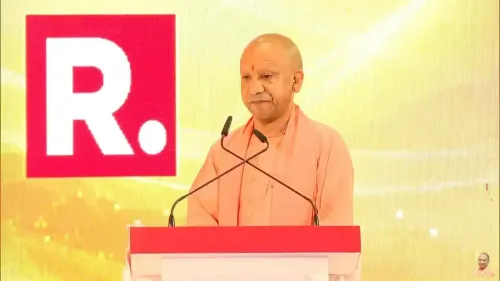
Uttar Pradesh Chief Minister Yogi Adityanath on Thursday, 11 June 2026, lauded Prime Minister Narendra Modi's twelve-year record on agricultural welfare, saying farmers have gained 'respect, security and prosperity' under Union government policies since 2014. The post, shared on X, highlighted four flagship central schemes as pillars of this transformation and linked farm prosperity directly to national economic growth.
Context
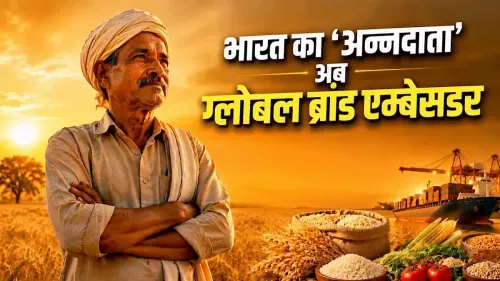
Writing in Hindi, CM Yogi Adityanath described the past twelve years as a 'glorious journey' dedicated to the welfare of annadata (providers of food) farmers. He framed the government's approach as placing the farmer 'at the centre' of policymaking — from seed to market (beej se bazaar) — and said this had given agriculture 'new strength' and farmers 'new confidence.' The post carried the hashtag #12YearsOfKisanSamriddhi, signalling a coordinated BJP outreach campaign marking the Modi government's twelve-year milestone.
Policy Backdrop
The four schemes cited in the post span income support, risk coverage, energy access and digital market reform. The PM-Kisan Samman Nidhi, launched in February 2019, provides eligible landholding farmer families ₹6,000 per year in direct benefit transfers. The Pradhan Mantri Fasal Bima Yojana, introduced in 2016, replaced earlier crop insurance programmes with yield- and weather-based compensation to shield farmers from production losses.
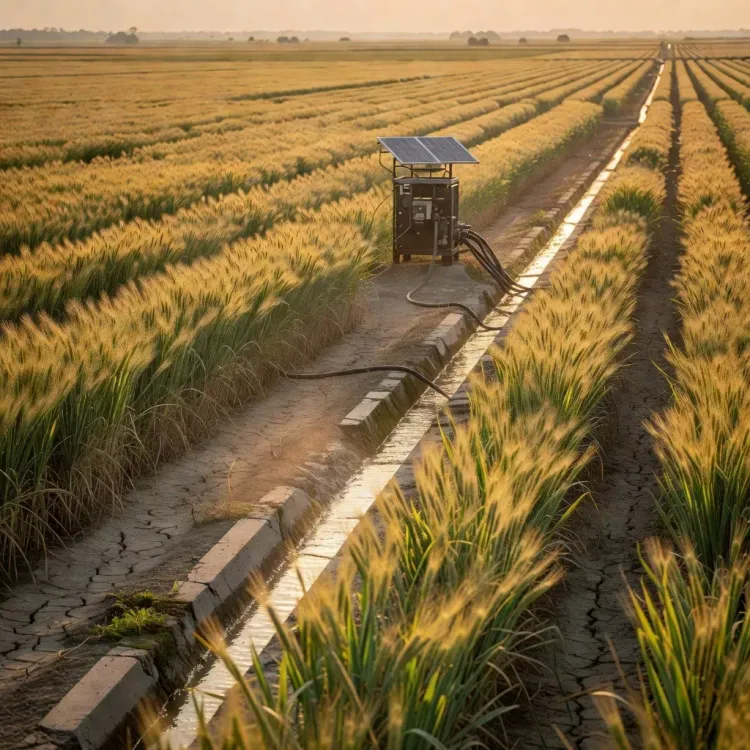
The PM-KUSUM scheme — Pradhan Mantri Kisan Urja Suraksha evam Utthaan Mahabhiyan — launched in 2019 to promote solar pumps and grid-connected solar plants on farm land, reducing dependence on diesel and grid power. The e-NAM (Electronic National Agriculture Market), rolled out in April 2016, created a pan-India online trading platform integrating agricultural mandis to enable transparent price discovery and wider market access for farmers. Together, these programmes represent the Union government's multi-pronged strategy combining direct transfers, insurance, renewable energy and digital reform.
Stakeholders and Impact
Small and marginal farmers — who constitute the majority of India's agricultural households — are the primary intended beneficiaries of all four schemes. Farmer producer organisations and mandi traders are also key stakeholders in the e-NAM ecosystem, as digital integration affects how produce is priced and sold across state boundaries. Uttar Pradesh, as India's most populous state and a major agricultural producer, has a particularly large stake in the reach and efficiency of these programmes.
CM Yogi has consistently amplified central agricultural schemes in state-level outreach since taking office in March 2017, positioning Lucknow's implementation record as aligned with New Delhi's policy ambitions. His post reinforces the BJP's broader electoral messaging that links farm welfare to national prosperity — a theme the party has used ahead of state and national elections.
What's Next
Attention will now turn to disbursement figures and coverage expansion under these schemes in the 2026-27 Union Budget and state agricultural budgets, as well as any parliamentary discussion on further reforms to APMC Acts or new digital agriculture missions. The #12YearsOfKisanSamriddhi campaign suggests the BJP intends to sustain this messaging cycle, making farm welfare a central plank of its political communication in the months ahead. Whether the outreach translates into concrete policy announcements or budget allocations will be closely watched by farmer groups and opposition parties alike.
Point of View
The messaging attempts to ground a broad political claim in tangible programme delivery. The 'seed to market' framing also signals that the party views agricultural reform as a continuum, not a one-off intervention, which sets the stage for further announcements. The post fits a consistent pattern in which state BJP leaders amplify Union government achievements to reinforce vertical alignment between New Delhi and state capitals.
NationPress
22 Sept 2026
Frequently Asked Questions
What is PM-Kisan Samman Nidhi and how much do farmers get?
PM-Kisan Samman Nidhi is a central government scheme launched in February 2019 that provides eligible landholding farmer families ₹6,000 per year in three equal instalments directly into their bank accounts via direct benefit transfer.
What is the #12YearsOfKisanSamriddhi campaign about?
The hashtag marks twelve years of the Modi government's agricultural welfare initiatives since 2014. BJP leaders including UP CM Yogi Adityanath used it on 11 June 2026 to highlight schemes like PM-Kisan, PMFBY, PM-KUSUM and e-NAM as evidence of farmer-centric governance.
What is PM-KUSUM and how does it help farmers?
PM-KUSUM (Pradhan Mantri Kisan Urja Suraksha evam Utthaan Mahabhiyan), launched in 2019, helps farmers install solar pumps and set up grid-connected solar power plants on their land, reducing dependence on diesel and conventional grid electricity and providing an additional income source.
What is e-NAM and how does it benefit Indian farmers?
e-NAM is the Electronic National Agriculture Market, an online trading platform launched in April 2016 that integrates agricultural mandis across India to enable transparent price discovery and give farmers access to a wider pool of buyers beyond their local market.
What did CM Yogi Adityanath say about farmers on 11 June 2026?
CM Yogi Adityanath posted on X saying that under PM Modi's leadership over twelve years, farmers had gained 'respect, security and prosperity,' and credited PM-Kisan, PMFBY, PM-KUSUM and e-NAM with providing financial support, crop insurance, energy self-reliance and digital market access respectively.