CM Yogi Hails Modi's Vision for India's Cultural Heritage
Synopsis
Uttar Pradesh Chief Minister Yogi Adityanath on 21 June 2026 credited PM Narendra Modi's vision for renewing national pride in India's cultural heritage, referencing landmark projects including the Kashi Vishwanath Corridor and Ram Mandir as evidence of a sustained civilisational revival under BJP governance.
Key Takeaways
CM Yogi Adityanath posted on 21 June 2026 expressing pride in India's cultural heritage revival under PM Modi's vision.
The post references a broader BJP policy of physical restoration of Hindu religious sites across Uttar Pradesh .
Key completed projects include the Kashi Vishwanath Corridor (inaugurated December 2021 ) in Varanasi and the Ram Mandir consecrated in January 2024 in Ayodhya .
The Swadesh Darshan scheme, expanded in 2018-19 , has funded heritage circuits across UP temple towns.
Heritage tourism and local pilgrim economies in Ayodhya , Varanasi , and Mathura have seen significant growth from these initiatives.
With UP assembly elections due in 2027 , further heritage-linked announcements are anticipated.
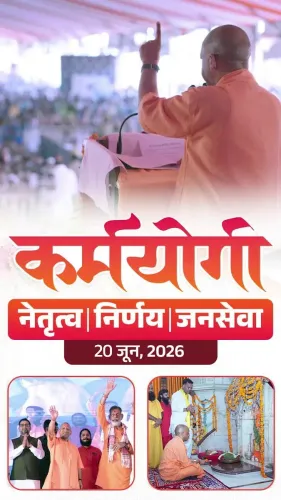
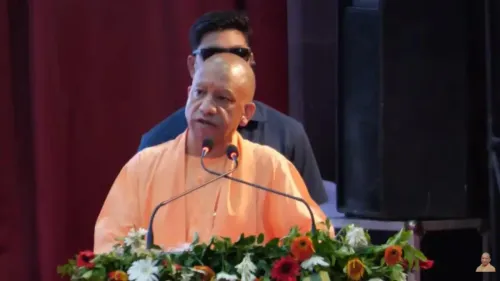
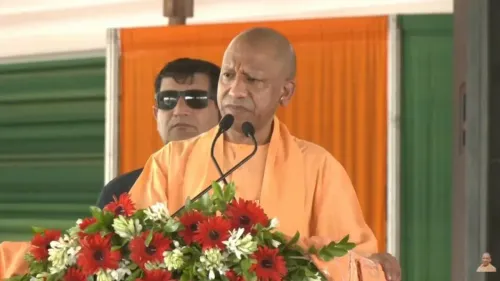
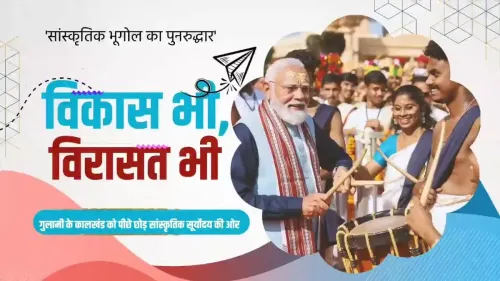
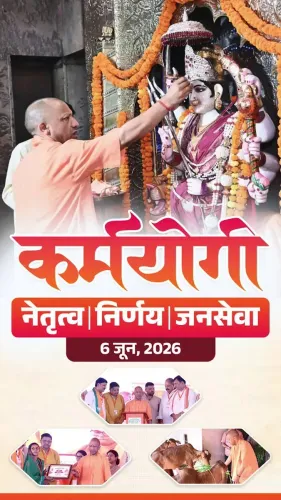
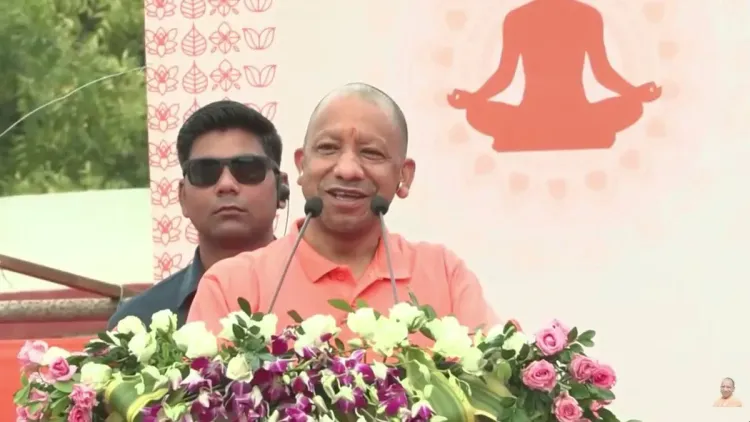
Uttar Pradesh Chief Minister Yogi Adityanath on Sunday, 21 June 2026 posted on X expressing pride in India's cultural heritage revival, crediting the vision of Prime Minister Narendra Modi for rekindling a sense of national pride in the country's civilisational legacy.
In his post, CM Yogi wrote: 'आदरणीय प्रधानमंत्री श्री @narendramodi जी के विजन के माध्यम से हम फिर से अपनी विरासत पर गौरव की अनुभूति कर रहे हैं' — translated as, 'Through the vision of respected Prime Minister Shri Narendra Modi, we are once again experiencing pride in our heritage.' The message was accompanied by a video, underscoring the celebratory tone.
Context
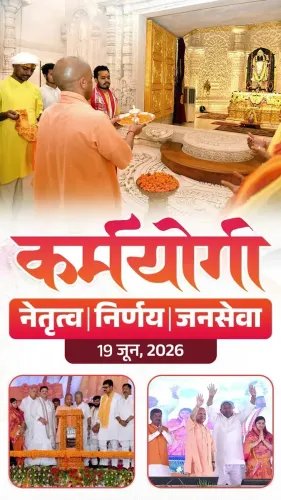
The post reflects a sustained political and cultural narrative that the Bharatiya Janata Party (BJP) governments at both the Centre and in Uttar Pradesh have championed over the past decade. Under PM Modi, landmark heritage restoration projects have been executed across the state, most notably the Kashi Vishwanath Corridor in Varanasi, inaugurated in December 2021, which reconnected the ancient Jyotirlinga temple with the ghats after years of encroachment. The Ram Mandir in Ayodhya, consecrated in January 2024 following a Supreme Court verdict, stands as the most prominent symbol of this heritage-revival drive.
CM Yogi, who also heads the Gorakhnath Math in Gorakhpur, has been the state-level executor of these initiatives, overseeing infrastructure upgrades and official ceremonies that accompany each project. His post on 21 June 2026 reaffirms the alignment between the state government's cultural agenda and the central government's broader civilisational vision.
Policy Backdrop
The heritage revival push in Uttar Pradesh has been supported by central schemes including the Swadesh Darshan programme, which was expanded in 2018-19 to include dedicated heritage circuits for temple towns across the state. These schemes blend archaeological reclamation with tourism infrastructure, drawing pilgrims and domestic tourists in large numbers to sites such as Ayodhya, Varanasi, and Mathura.
The approach combines physical restoration of religious sites, improved connectivity, and high-profile official ceremonies to project what the ruling dispensation describes as 'cultural confidence.' This pattern has been replicated across multiple BJP-governed states, with Uttar Pradesh serving as the flagship model.
Stakeholders and Impact
The primary beneficiaries of these heritage projects have been Hindu devotees, the heritage tourism sector, and local communities in temple towns who depend on pilgrim footfall for their livelihoods. The Kashi Vishwanath Corridor and the Ram Mandir complex have each drawn millions of visitors since their respective inaugurations, significantly boosting local economies.
Critics of the approach argue that the focus on Hindu heritage sites raises questions of inclusivity, while supporters contend that restoring long-neglected monuments is a matter of cultural justice. CM Yogi's post, framed around collective pride — 'we are once again experiencing pride in our heritage' — speaks directly to the latter sentiment and to the BJP's core voter base.
What's Next
With Uttar Pradesh assembly elections scheduled for 2027, observers will watch for further announcements of temple corridor projects, heritage summits, or state tourism initiatives that build on this cultural narrative. The BJP's track record suggests that heritage-linked events and inaugurations are likely to intensify in the run-up to the election cycle, with CM Yogi positioned as the face of cultural stewardship in the state.
Point of View
' Yogi both defers to central leadership and positions himself as its most credible state-level executor. The post fits a well-established pattern in which high-profile heritage milestones — Kashi Vishwanath, Ayodhya, Mathura — are used to consolidate the party's core Hindu voter base while projecting governance competence. The accompanying video suggests this is not a casual remark but a curated piece of political communication timed to reinforce that narrative.
NationPress
21 Jun 2026
Frequently Asked Questions
What did CM Yogi Adityanath post about on 21 June 2026?
CM Yogi Adityanath posted on X on 21 June 2026 expressing pride in India's cultural heritage, crediting Prime Minister Narendra Modi's vision for reviving the nation's sense of civilisational identity.
What heritage projects has PM Modi's government completed in Uttar Pradesh?
Key projects include the Kashi Vishwanath Corridor in Varanasi, inaugurated in December 2021, and the Ram Mandir in Ayodhya, consecrated in January 2024 following a Supreme Court verdict.
What is the Swadesh Darshan scheme and how does it relate to UP heritage sites?
Swadesh Darshan is a central government scheme expanded in 2018-19 that funds heritage tourism circuits, including dedicated routes covering temple towns in Uttar Pradesh such as Ayodhya, Varanasi, and Mathura.
Why is CM Yogi Adityanath associated with heritage revival in Uttar Pradesh?
As Chief Minister of Uttar Pradesh and head of the Gorakhnath Math, Yogi Adityanath has been the state-level implementer of central heritage restoration projects, overseeing infrastructure upgrades and official ceremonies at major religious sites.
What is the political significance of BJP's heritage revival push ahead of 2027 UP elections?
Heritage-linked projects serve as a key plank of the BJP's cultural narrative and are expected to intensify ahead of the 2027 Uttar Pradesh assembly elections, with CM Yogi positioned as the face of cultural stewardship in the state.