CM Yogi highlights free residential schools for SC, ST and nomadic children in UP
Synopsis
The Chief Minister's Office of Uttar Pradesh has highlighted the state's Ashram Paddhati Vidyalayas — residential schools providing free modern education, lodging, and food to children from nomadic tribes, Scheduled Castes, and Scheduled Tribes — citing CM Yogi Adityanath's welfare push for India's most education-excluded communities.
Key Takeaways
Ashram Paddhati Vidyalayas have been established by the Uttar Pradesh government for children from nomadic tribes, Scheduled Castes , and Scheduled Tribes .
The schools provide free lodging and food alongside modern education, removing cost and distance as barriers to attendance.
The scheme specifically extends to nomadic (Ghumantu) communities — among India's most structurally excluded groups — alongside SC and ST children.
The policy aligns with Article 46 of the Indian Constitution, which mandates states to promote the educational interests of weaker sections.
CM Yogi Adityanath , in power since March 2017 , has positioned the scheme as part of UP's broader welfare architecture for marginalised communities.
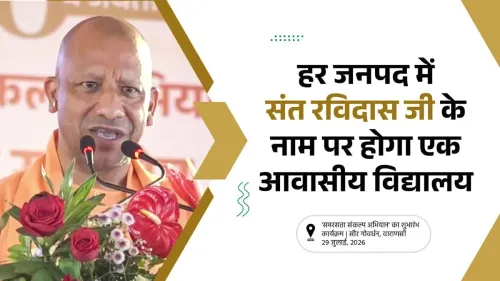
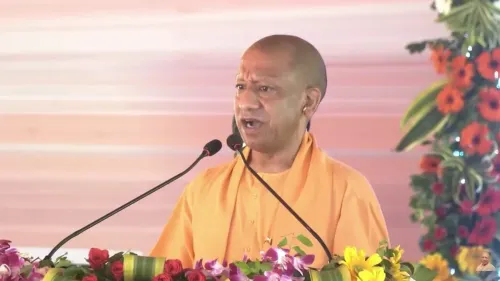
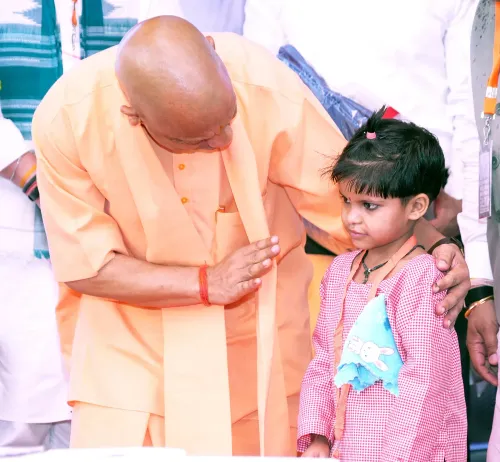
For children who grow up without a fixed address — nomadic families who move with the seasons — a school that also provides a bed and a meal is not a convenience. It is the difference between an education and none at all. The Chief Minister's Office of Uttar Pradesh, citing Chief Minister Yogi Adityanath, announced on Thursday, 6 August 2026 that the state has established Ashram Paddhati Vidyalayas — residential schools offering free modern education, lodging, and food — for children from nomadic tribes, Scheduled Castes (SC), and Scheduled Tribes (ST).
The post, shared from the official CMO account, quotes CM Yogi Adityanath directly: 'घुमन्तू जातियों के साथ-साथ अनुसूचित जाति एवं अनुसूचित जनजाति के बच्चों के लिए सरकार ने आश्रम पद्धति विद्यालय स्थापित किए हैं' — ('The government has established Ashram Paddhati Vidyalayas for children of nomadic tribes, as well as Scheduled Castes and Scheduled Tribes') — where they receive state-of-the-art education alongside free lodging and food.
What the Ashram Paddhati model actually does
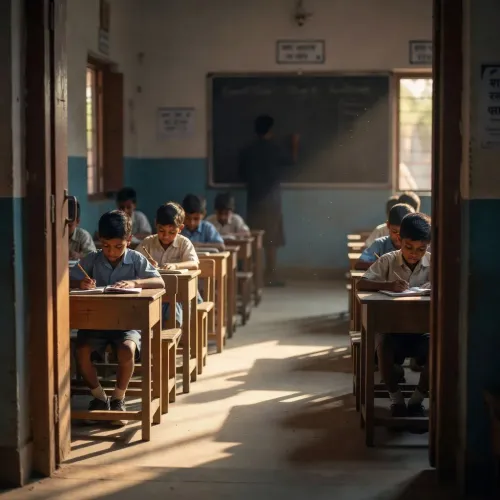
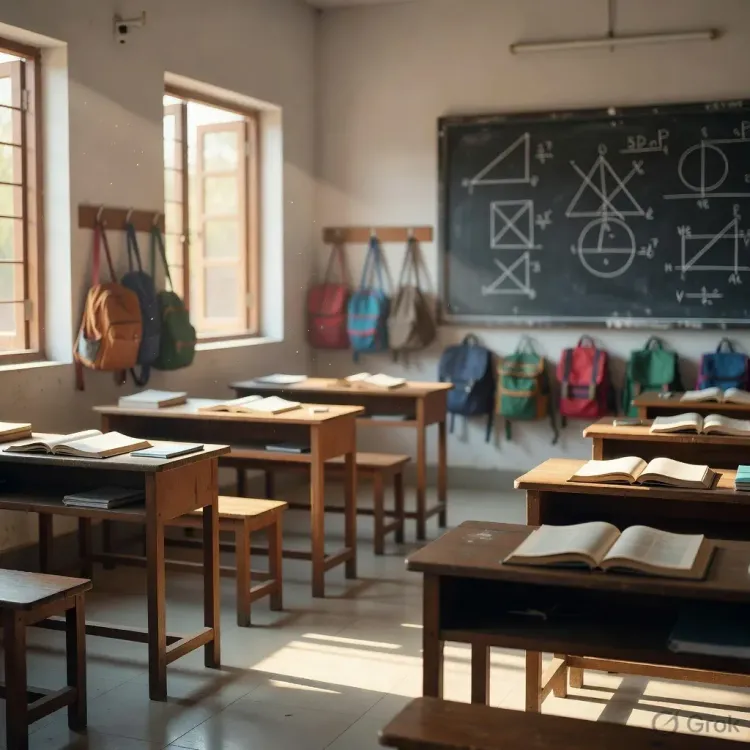
The Ashram Paddhati Vidyalaya is a residential school model designed to eliminate the two biggest barriers keeping marginalised children out of classrooms: distance and cost. By bundling free accommodation and meals with modern instruction, the model targets communities where daily migration or poverty makes regular school attendance structurally impossible. Nomadic tribes — who by definition have no stable residence — have historically been among the most education-excluded groups in India.
Similar Ashram school frameworks operate in several other Indian states, particularly under central tribal welfare guidelines, making Uttar Pradesh's inclusion of nomadic and SC communities alongside ST children a notable extension of the model's reach.
The constitutional thread running through this policy
Article 46 of the Indian Constitution directs states to promote the educational and economic interests of weaker sections, particularly SCs and STs. Uttar Pradesh's residential school push sits squarely within that mandate — and reflects a broader pattern across the state's welfare agenda under CM Yogi Adityanath, who has governed the state since March 2017. Expanding access to quality schooling for communities that have long sat at the margins of the formal education system is both a constitutional obligation and a political signal about who the state's welfare architecture is built to serve.
Enrollment figures, the total number of schools currently operational, and any recent expansion targets remain to be detailed in state budget and education department disclosures — but the policy direction is clear. When a government makes the school the home, it removes the excuse that geography or poverty can offer.
Point of View
ST, and nomadic communities as a signature governance priority — signalling to a broad electoral coalition that the state's resources reach those historically left behind. The explicit inclusion of nomadic tribes alongside constitutionally recognised SC and ST categories is politically significant, as this group has often fallen outside formal welfare nets. Whether the scheme's scale and quality of delivery match the rhetoric will depend on enrollment data and school-count figures that the state education department has yet to make public. The announcement also reinforces the BJP's national strategy of positioning itself as the natural protector of Dalit and tribal welfare — a space it has contested aggressively since 2014.
NationPress
6 Aug 2026
Frequently Asked Questions
What is an Ashram Paddhati Vidyalaya in Uttar Pradesh?
An Ashram Paddhati Vidyalaya is a government-run residential school in Uttar Pradesh that provides free modern education, lodging, and food to children from Scheduled Castes, Scheduled Tribes, and nomadic communities, removing financial and geographic barriers to schooling.
Who can study in UP's Ashram Paddhati Vidyalayas?
Children from nomadic (Ghumantu) tribes, Scheduled Castes, and Scheduled Tribes are eligible to study in these residential schools established by the Uttar Pradesh government.
Are lodging and food free in UP's Ashram Paddhati schools?
Yes. The Uttar Pradesh government provides free lodging and food — alongside modern education — to all students enrolled in Ashram Paddhati Vidyalayas.
What does the Indian Constitution say about education for SC and ST communities?
Article 46 of the Indian Constitution directs state governments to promote the educational and economic interests of Scheduled Castes, Scheduled Tribes, and other weaker sections of society.
How long has Yogi Adityanath been Chief Minister of Uttar Pradesh?
Yogi Adityanath has served as Chief Minister of Uttar Pradesh since March 2017.