CM Yogi Hits Back at Critics of Ayodhya, Kashi Beautification
Synopsis
UP Chief Minister Yogi Adityanath on 30 June 2026 sharply rebuked critics of the Ayodhya and Kashi Vishwanath Dham makeovers, invoking the Ramayana's 'kaalnemi' metaphor to dismiss their objections as deceitful. The post underscores the BJP's intent to defend its religious-city redevelopment record ahead of state elections.
Key Takeaways
CM Yogi Adityanath posted on 30 June 2026 rebuking critics of the Ayodhya and Kashi Vishwanath Dham redevelopments.
He called critics kaalnemis — a Ramayana reference to a demon who disguised himself as a saint — signalling the rhetorical register of the BJP's defence of these projects.
The Kashi Vishwanath Dham corridor was inaugurated in December 2021 ; the Ayodhya overhaul accompanied the Ram Mandir consecration in January 2024 .
Both projects have faced criticism over displacement of residents and scale of expenditure, which the CM's post directly addresses.
The post suggests the BJP in Uttar Pradesh will continue to frame criticism of its religious-city projects as culturally motivated hostility ahead of elections.
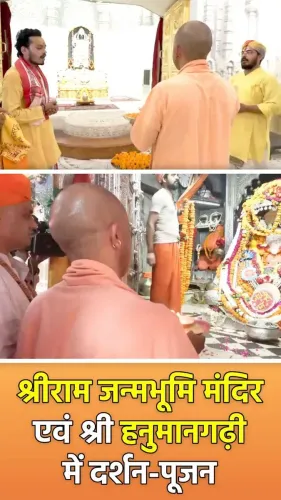
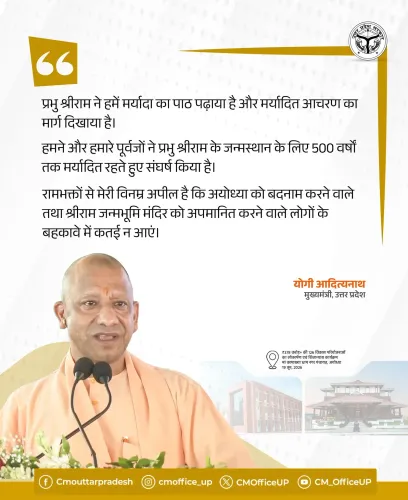
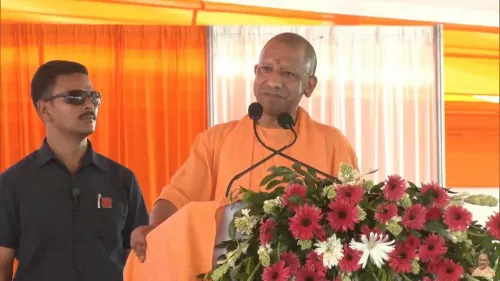
Uttar Pradesh Chief Minister Yogi Adityanath on Tuesday, 30 June 2026, took a sharp swipe at critics of the redevelopment of Ayodhya and Kashi Vishwanath Dham, invoking the devotion of Prabhu Shri Ram (Lord Ram) as a counter to what he called kaalnemis — a term drawn from Hindu mythology referring to deceitful adversaries.
Context
The Chief Minister's post, written in Hindi, reads: 'Unki' chidh hai ki Ayodhya nagari itni sundar kaise ho gayi, Kashi Vishwanath Dham itna sundar kaise ho gaya... — translating to: 'Their irritation is: how did Ayodhya become so beautiful, how did Kashi Vishwanath Dham become so beautiful...' He added that devotion to Lord Ram is 'fully helpful in dealing with such kaalnemis.'
The term kaalnemi originates in the Ramayana, referring to a demon who disguised himself as a sage to deceive Hanuman. Its use in political discourse is a pointed rhetorical device implying that critics are deceptive or ill-intentioned.
Policy Backdrop
The redevelopment of Ayodhya has been one of the most high-profile infrastructure and religious tourism projects undertaken by the Uttar Pradesh government in recent years. The Ram Mandir consecration in January 2024 was accompanied by a sweeping overhaul of the city — new roads, ghats, lighting, and civic infrastructure — under the state government's urban renewal push.
Similarly, the Kashi Vishwanath Dham corridor in Varanasi, inaugurated in December 2021, involved the demolition and relocation of hundreds of structures to create a wide, landscaped passage connecting the Kashi Vishwanath temple to the Ganga ghats. Both projects have been central to the BJP's governance narrative in the state and nationally.
Stakeholders and Impact
Both projects drew significant opposition at various stages — from residents displaced by demolitions, heritage conservationists, and political opponents who questioned the scale of spending and the prioritisation of religious sites over other civic needs. CM Yogi's post appears directed squarely at this sustained criticism.
The framing — positioning critics as mythological villains — is consistent with a broader BJP rhetorical strategy of linking governance achievements to civilisational and religious identity. For devotees and religious tourists, both Ayodhya and Varanasi have seen a marked surge in footfall since the respective projects were completed.
What's Next
With the Uttar Pradesh assembly elections on the horizon, the beautification of pilgrimage cities is expected to remain a central campaign theme for the ruling party. CM Yogi's continued invocation of these projects signals that the BJP intends to defend and amplify this record, framing any criticism as motivated hostility rather than legitimate policy debate. The use of mythological language also suggests the party will lean into a cultural-nationalist register as electoral mobilisation intensifies.
Point of View
A framing that plays well with the BJP's devotee base while pre-empting substantive debate on displacement and spending. The invocation of 'kaalnemi' is part of a deliberate pattern of using Ramayana vocabulary to frame political contests as battles between the righteous and the deceptive. With both Ayodhya and Varanasi central to the BJP's identity politics in Uttar Pradesh, this kind of rhetoric is likely to intensify as the electoral cycle approaches. The sharpness of the language also suggests the party feels confident enough in these projects to go on offence rather than merely defend them.
NationPress
30 Jun 2026
Frequently Asked Questions
What did CM Yogi Adityanath say about Ayodhya and Kashi on 30 June 2026?
CM Yogi posted on X that critics are 'irritated' by how beautiful Ayodhya and Kashi Vishwanath Dham have become, and said devotion to Lord Ram is 'fully helpful' in dealing with such 'kaalnemis' — a Ramayana term for deceitful adversaries.
What is a 'kaalnemi' and why did Yogi Adityanath use the word?
'Kaalnemi' is a demon from the Ramayana who disguised himself as a saint to deceive Hanuman. Yogi Adityanath used the term as a rhetorical device to describe critics he views as acting in bad faith against the Ayodhya and Kashi redevelopment projects.
What is the Kashi Vishwanath Dham corridor?
The Kashi Vishwanath Dham corridor in Varanasi is a redevelopment project inaugurated in December 2021 that created a wide, landscaped passage linking the Kashi Vishwanath temple to the Ganga ghats, involving the relocation of hundreds of structures.
Why has the Ayodhya redevelopment been controversial?
The Ayodhya redevelopment has faced criticism from residents displaced by demolitions, heritage groups, and political opponents who questioned the scale of public spending and the prioritisation of religious infrastructure over other civic needs.
Is Yogi Adityanath likely to use the Ayodhya and Kashi projects as election issues?
Yes. Both projects are central to the BJP's governance narrative in Uttar Pradesh, and CM Yogi's continued emphasis on them — including sharp rebuttals of critics — signals they will be prominent themes in the party's electoral campaign.