Trump Signs Executive Orders on June 29, 2026

Synopsis
President Donald Trump signed executive orders on June 29, 2026, the White House announced. The move continues the administration's second-term pattern of using executive action to drive federal policy across trade, immigration, and regulatory domains, with potential implications for India-US relations.
Key Takeaways
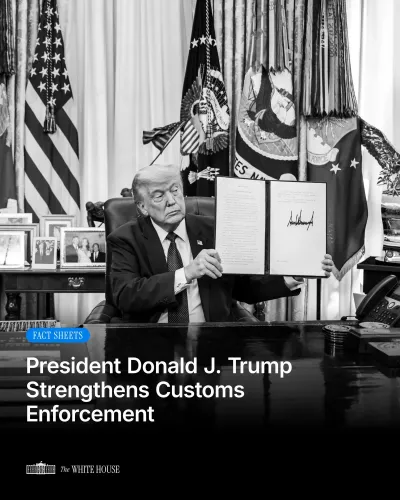
President Donald Trump signed executive orders on June 29, 2026 , as announced by The White House on its official channel.
The announcement was made on Monday, June 29, 2026 at 7:25 PM UTC .
Specific details of the orders were not disclosed in the post; full text is expected via federal publication channels.
The Trump administration has routinely used executive orders in its second term to enact policy without congressional legislation.
The orders may carry implications for India-US trade , immigration, and technology policy, areas closely monitored by Indian stakeholders.
President Donald Trump signed a fresh set of executive orders on Monday, June 29, 2026, according to an official announcement from The White House. The orders were posted on the administration's official communications channel, signalling continued use of executive action as a primary governing tool in the second term.
Context
Executive orders carry the force of federal law and allow a sitting president to direct the operations of the executive branch without requiring congressional approval. President Trump has consistently relied on executive orders since returning to office in January 2025, using them to implement policy across areas ranging from immigration and trade to energy and federal workforce restructuring.
The June 29, 2026 batch follows a pattern seen throughout the administration's second term, where clusters of orders are signed and announced simultaneously, often covering multiple policy domains in a single session.
Policy Backdrop
Executive orders issued by the Trump administration in its second term have drawn significant attention globally, including in India, given their downstream effects on trade tariffs, immigration pathways for Indian nationals, and technology sector regulations. Orders touching on H-1B visa policy, semiconductor supply chains, and bilateral trade frameworks have had direct implications for Indian businesses and the Indian diaspora in the United States.
The administration has also used executive action to reshape federal agency mandates, roll back or revise environmental regulations, and assert executive authority over foreign policy commitments. Each signing session at the White House is typically followed by formal publication in the Federal Register, after which the orders take legal effect.
Stakeholders and Impact
The specific content of the orders signed on June 29 has not been detailed in the announcement beyond the date reference and a linked resource. Stakeholders across sectors — including corporate trade bodies, immigration attorneys, and foreign governments — routinely monitor White House executive order announcements for provisions that may affect cross-border commerce, visa processing, and regulatory compliance.
For India, executive orders from the Trump White House have historically required close reading by the Ministry of External Affairs and the Ministry of Commerce and Industry, particularly when they touch on tariff schedules or technology export controls. Indian IT firms with large workforces in the United States also track such actions closely.
What's Next
The full text of the executive orders signed on June 29, 2026 is expected to be published through official federal channels, providing clarity on their scope and implementation timelines. Legal challenges, if any, would be filed in federal courts, as has been the pattern with several earlier orders from this administration.
Observers will watch for whether the orders address any of the pending policy flashpoints between Washington and its trade and strategic partners, including India, ahead of any scheduled bilateral engagements in the coming months.
Point of View
Each batch of orders carries potential ripple effects — from tariff adjustments to visa policy shifts — making the June 29 signing session one to watch closely. The absence of specific details in the announcement underscores the administration's practice of releasing orders first and allowing downstream stakeholders to parse the implications. This pattern has consistently kept foreign governments, including New Delhi, in a reactive posture.
NationPress
30 Jun 2026
Frequently Asked Questions
What executive orders did Trump sign on June 29, 2026?
The White House announced that President Trump signed executive orders on June 29, 2026, but the specific content and titles of the orders were not detailed in the official post. Full details are expected through federal publication channels.
How do Trump's executive orders affect India?
Trump's executive orders have previously impacted India through changes to trade tariffs, H-1B visa regulations, and technology export controls. Indian businesses, IT firms, and the government monitor each batch closely for provisions affecting bilateral trade and immigration.
What is an executive order and does it need Congress approval?
An executive order is a directive issued by the US president that carries the force of federal law and does not require congressional approval. It governs the operations of the executive branch and takes effect upon publication in the Federal Register.
How many executive orders has Trump signed in his second term?
President Trump has signed a significant number of executive orders since returning to office in January 2025, with clusters of orders issued across multiple policy areas including immigration, trade, energy, and federal workforce policy. The exact running total is updated with each new signing session.
Where can I read the full text of Trump's June 29 executive orders?
The full text of executive orders signed by President Trump is published in the US Federal Register, the official journal of the federal government, typically within days of signing.