CM Yogi Holds Janata Darshan at Gorakhnath Temple, Hears Grievances
Synopsis
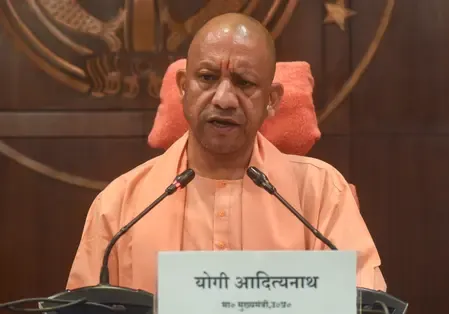
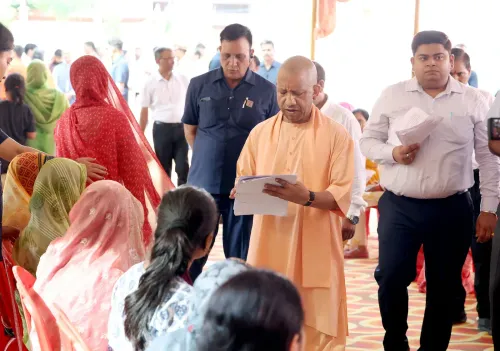
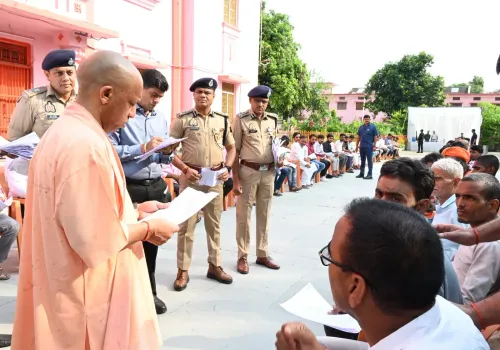
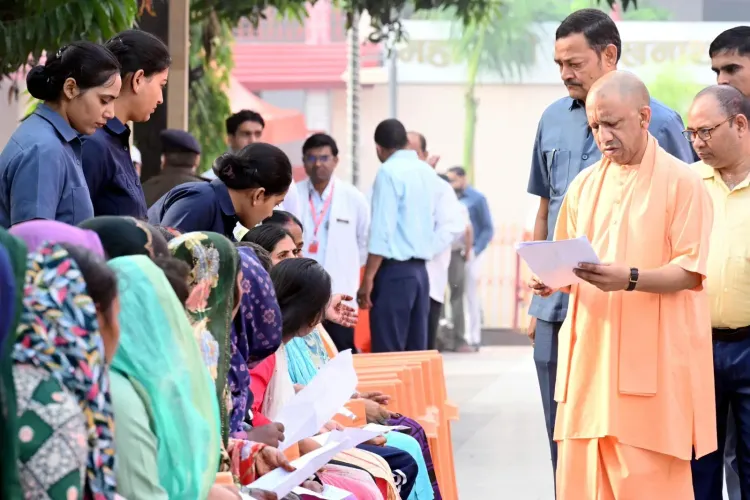
Chief Minister Yogi Adityanath held a Janata Darshan at Gorakhnath Temple in Gorakhpur on 2 November 2026, listening to grievances from citizens across Uttar Pradesh and directing officials to resolve them, followed by Gau Seva at the temple Gaushala.
Key Takeaways
Chief Minister Yogi Adityanath conducted a Janata Darshan at Gorakhnath Temple, Gorakhpur on 2 November 2026 .
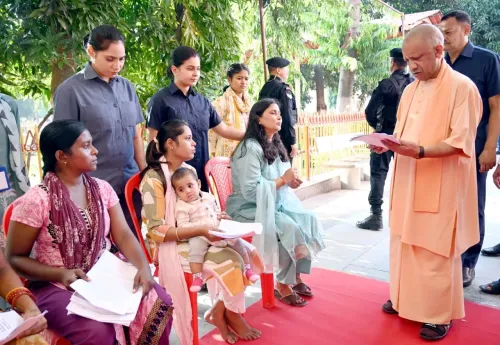
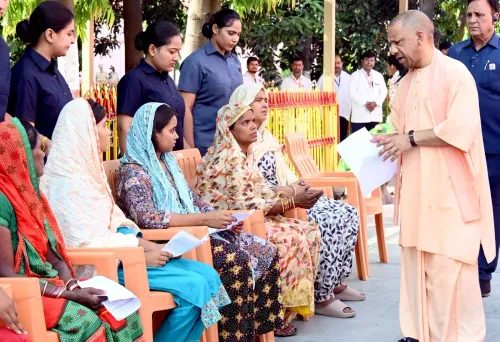
Citizens from multiple districts of Uttar Pradesh attended to present their grievances directly to the Chief Minister.
Concerned officials were given on-the-spot directives to resolve the complaints raised during the session.
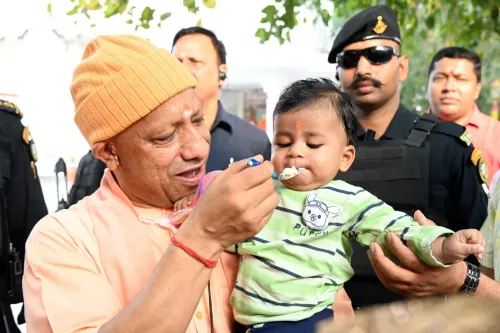
The Chief Minister also performed Gau Seva at the Gaushala within the Gorakhnath Temple complex.
The Janata Darshan programme has been a recurring governance feature at the Gorakhpur temple since Yogi Adityanath became CM in March 2017 .
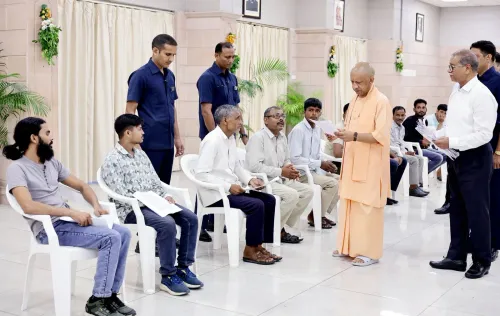
At the historic Gorakhnath Temple in Gorakhpur, Chief Minister Yogi Adityanath opened his doors — literally — to citizens from across Uttar Pradesh on Monday, 2 November 2026, holding a Janata Darshan session that brought residents from multiple districts face-to-face with the state's top executive.
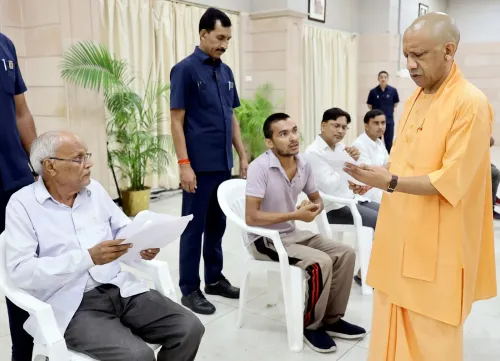
The Chief Minister's Office of Uttar Pradesh posted on X, describing the session: 'जनसेवा ही प्रतिबद्धता' ('Public service is the commitment') — Chief Minister Yogi Adityanath listened to the problems of citizens who had travelled from various districts of the state, and directed the concerned officials to resolve their grievances. Following the public hearing, he also performed Gau Seva (cow care) at the Gaushala within the temple premises.
Gorakhpur's temple that doubles as a governance hub
Gorakhnath Mandir is far more than a place of worship. It is the centuries-old seat of the Nath Sampraday and the institution that shaped Yogi Adityanath before politics did — he served as its head priest before becoming Chief Minister in March 2017. Since taking office, he has used the temple complex as a recurring venue for public outreach, making these Janata Darshan sessions a signature feature of his administration's governance style.
The format is deliberate: by holding hearings at his own religious base rather than a government secretariat, the Chief Minister signals both accessibility and continuity with his earlier identity. Citizens travel from as far-flung districts as the state's geography allows, often waiting hours for a few minutes of direct audience.
A grievance pipeline that bypasses bureaucratic delay
The mechanics of Janata Darshan are straightforward but significant. Citizens present their complaints directly; officials standing alongside the Chief Minister receive on-the-spot directions. The pressure of a public setting — and the presence of the CM himself — compresses timelines that routine administrative channels often stretch. District administration officials are placed on immediate notice rather than receiving a file days later.
The Uttar Pradesh government has institutionalised these periodic sessions since 2017, framing them as evidence of a government that does not wait for citizens to navigate bureaucracy. The combination of administrative function and religious observance — a public hearing followed by time at the Gaushala — is consistent with how this administration has chosen to project governance: rooted in both service delivery and cultural priorities.
Point of View
Now nearly a decade old, functions as both a governance tool and a political signal — it keeps the Chief Minister visibly connected to ordinary citizens in a state of over 240 million people. Holding sessions at Gorakhnath Temple rather than Lucknow reinforces Yogi Adityanath's dual identity as priest-administrator, a fusion that remains central to his political brand. The ritual closure of performing Gau Seva after a public hearing is not incidental — it frames governance as a form of dharmic service, a consistent theme in how this administration narrates itself. For the BJP's UP model, the programme also offers a grassroots feedback loop that supplements — and sometimes short-circuits — the district bureaucracy.
NationPress
2 Nov 2026
Frequently Asked Questions
What is Janata Darshan in Uttar Pradesh?
Janata Darshan is a public grievance redressal programme in which Chief Minister Yogi Adityanath personally listens to complaints from citizens across Uttar Pradesh and directs officials to resolve them on the spot. It has been held regularly at Gorakhnath Temple in Gorakhpur since 2017.
Where is Gorakhnath Temple and why does CM Yogi hold events there?
Gorakhnath Temple is a historic religious site in Gorakhpur, Uttar Pradesh . It is the seat of the Nath Sampraday and was the institution where Yogi Adityanath served as head priest before becoming Chief Minister, making it his political and religious base.
What is Gau Seva and why did CM Yogi perform it?
Gau Seva refers to the act of caring for cows, considered sacred in Hindu tradition. CM Yogi Adityanath performed it at the Gaushala within the Gorakhnath Temple complex after the Janata Darshan session on 2 November 2026 , consistent with the administration's emphasis on cow protection as a cultural priority.
How often does CM Yogi Adityanath hold Janata Darshan?
Janata Darshan sessions have been held periodically since Yogi Adityanath became Chief Minister in March 2017 . The Chief Minister's Office of Uttar Pradesh announces the schedules, and dates are expected to continue on a recurring basis.
What happens to complaints raised at Janata Darshan?
At each Janata Darshan , CM Yogi Adityanath hears citizens' problems and directs the concerned district or departmental officials who are present to take action. The public setting creates immediate accountability for follow-up on grievance resolutions.