CM Yogi joins VP Radhakrishnan at Deepotsav 2026 in Ayodhya
Synopsis
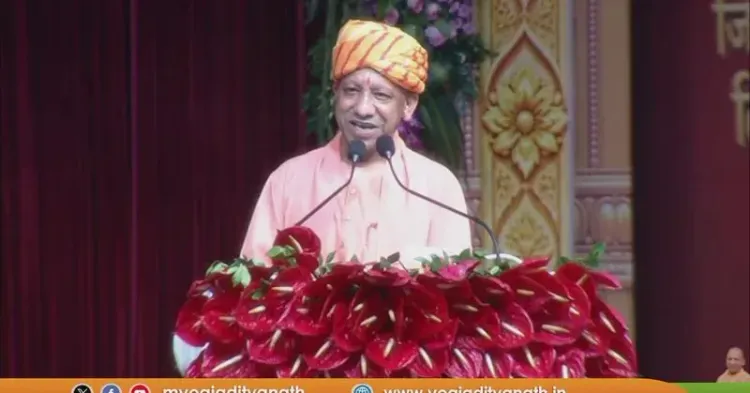
Uttar Pradesh CM Yogi Adityanath and Vice President C.P. Radhakrishnan attended the grand Deepotsav 2026 festival at Ayodhya Dham on 7 November, celebrating the annual lamp-lighting event at the Ram Darbar in Ayodhya.
Key Takeaways
Deepotsav 2026 was held at Shri Ayodhya Dham on 7 November 2026 .
Radhakrishnan graced the event, marking high-level Union government participation.
CM Yogi Adityanath hosted and shared visuals from the Ram Darbar celebrations.
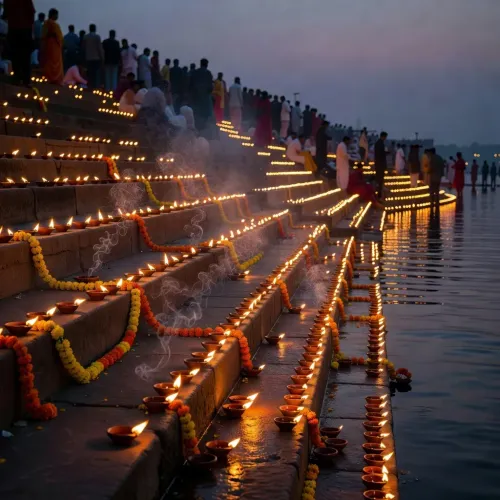
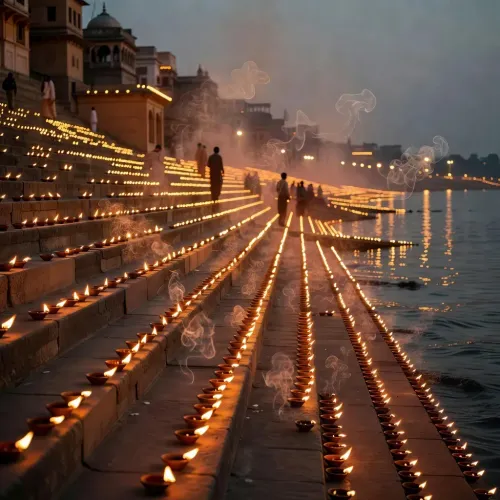
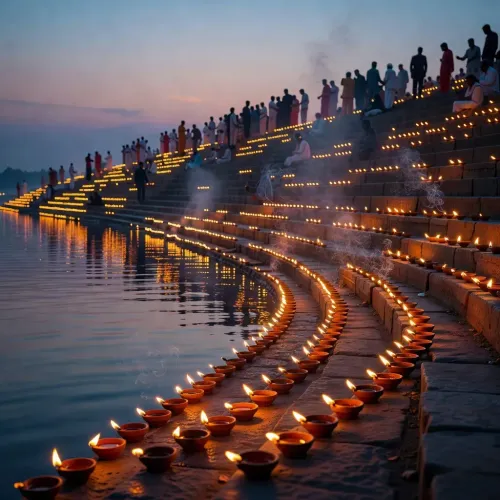
Deepotsav features mass lighting of earthen lamps along the Sarayu river , re-enacting Lord Rama's legendary homecoming.
The annual festival is part of the UP government's drive to develop Ayodhya as a major pilgrimage and cultural-tourism hub following the 2019 Supreme Court verdict on the Ram Janmabhoomi site.
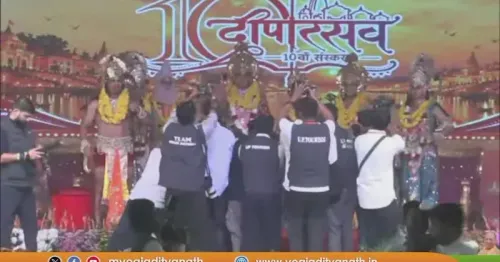
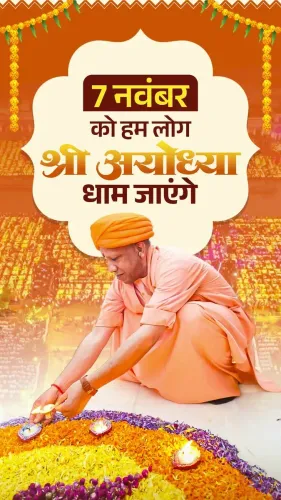
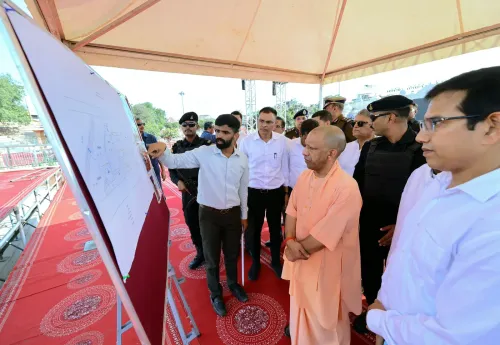
Thousands of lamps lit the banks of the Sarayu river in Ayodhya on Saturday, 7 November 2026, as Uttar Pradesh Chief Minister Yogi Adityanath marked the Deepotsav-2026 celebrations alongside Vice President C.P. Radhakrishnan at the sacred Ram Darbar — the divine court of Lord Rama, Sita, Lakshmana and Hanuman enshrined in the temple complex.
CM Yogi shared a glimpse of the occasion on X, writing of a 'divine and grand Deepotsav-2026' held in the gracious presence of the Vice President at Shri Ayodhya Dham. The post, accompanied by an image from the Ram Darbar, underlined the ceremonial weight the state government attaches to this annual festival.
Ayodhya's annual festival of light — and what it has become
Deepotsav began as a state-organised Diwali event but has grown into one of the country's most high-profile religious-cultural spectacles. Each edition features the mass lighting of earthen lamps — diyas — along the Sarayu riverfront, re-enacting the welcome that legend says Ayodhya gave Lord Rama on his return from Lanka. The presence of a Union-level constitutional dignitary, the Vice President, signals continued coordination between the Uttar Pradesh government and New Delhi on positioning Ayodhya as a premier pilgrimage and cultural-tourism destination.
The Ram Mandir verdict and Ayodhya's cultural resurgence
The backdrop to Ayodhya's transformation runs through the Supreme Court's 2019 verdict, which cleared the path for construction of the Ram Mandir at the Ram Janmabhoomi site. Since then, the state government has steadily scaled up Deepotsav and allied events, weaving them into a broader push to develop Ayodhya into a world-class pilgrimage corridor. The Ram Darbar — the central devotional tableau at the temple complex — has become a focal point of these celebrations, drawing pilgrims, politicians and dignitaries in equal measure.
The scale and guest list of each Deepotsav edition have become a quiet barometer of how seriously both the state and Union governments treat Ayodhya's emerging identity — not merely as a heritage city, but as a living centrepiece of India's religious-tourism future.
Point of View
Reinforcing the BJP's narrative of Ayodhya as a civilisational milestone reclaimed. For the Yogi government, each successive Deepotsav is also a performance metric: larger lamp counts, more prominent guests, and rising footfall serve as proof points in its Ayodhya tourism-infrastructure pitch. The pattern fits a broader BJP governance arc in which religious heritage sites are simultaneously devotional spaces and economic-development anchors. How this translates into long-term pilgrimage infrastructure and local livelihoods will determine whether the spectacle endures beyond the electoral cycle.
NationPress
7 Nov 2026
Frequently Asked Questions
What is Deepotsav in Ayodhya?
Deepotsav is an annual Diwali festival organised by the Uttar Pradesh government in Ayodhya, featuring the mass lighting of earthen lamps along the Sarayu river to mark Lord Rama's legendary return from Lanka.
Who attended Deepotsav 2026 in Ayodhya?
Uttar Pradesh Chief Minister Yogi Adityanath and Vice President C.P. Radhakrishnan both attended Deepotsav 2026 at Shri Ayodhya Dham on 7 November 2026.
What is Ram Darbar in Ayodhya?
Ram Darbar refers to the divine court tableau of Lord Rama alongside Sita, Lakshmana and Hanuman, installed in the Ayodhya temple complex and central to the Deepotsav celebrations.
Why does the UP government organise Deepotsav?
The Uttar Pradesh government organises Deepotsav annually to promote Ayodhya's religious heritage and develop it as a major pilgrimage and cultural-tourism destination, particularly after the 2019 Supreme Court verdict cleared the way for the Ram Mandir.
When did Deepotsav 2026 take place?
Deepotsav 2026 was held on Saturday, 7 November 2026, at Shri Ayodhya Dham in Uttar Pradesh.