CM Yogi Orders AI-Led Crackdown on GST Fraud in UP

Synopsis
Chief Minister Yogi Adityanath has ordered sustained action against fake GST firms and bogus billing in Uttar Pradesh, directing authorities to deploy AI and data analytics for transparent tax administration. A review meeting revealed 63,797 GST and VAT appeals were resolved in 2025-26, with faster refunds prioritised to protect trader working capital.
Key Takeaways
CM Yogi Adityanath directed continued strict action against fake firms, tax evasion, and bogus billing in Uttar Pradesh .
Authorities were instructed to use technology, data analytics, and AI-based analysis for transparent and accountable tax administration.
A total of 63,797 GST and VAT appeals were disposed of in 2025-26 , as reported at the review meeting.
CM Yogi called for time-bound disposal of all pending appeals to reduce the backlog.
The refund mechanism is to be made faster and more transparent to safeguard traders' working capital.
Traders and MSMEs are the primary beneficiaries of both the anti-evasion drive and the improved refund process.
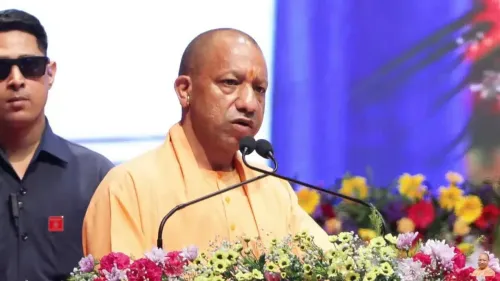
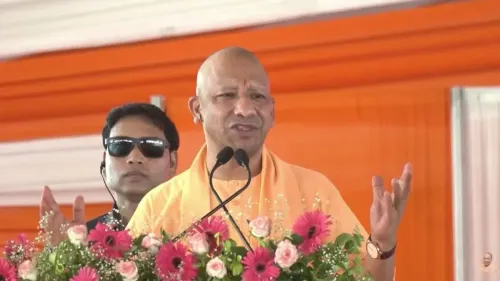
The Chief Minister's Office of Uttar Pradesh announced on Monday, 25 May 2026 that Chief Minister Yogi Adityanath has directed tax authorities to sustain strict action against fake firms, tax evasion, and bogus billing, while deploying technology, data analytics, and artificial intelligence to ensure transparent and accountable tax administration across the state.
Context
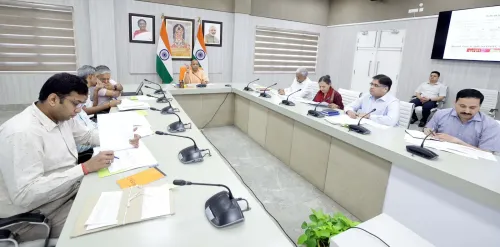
The directives emerged from a high-level review meeting where officials informed the Chief Minister that 63,797 GST and VAT appeals had been disposed of during 2025-26. CM Yogi acknowledged the progress but underscored that pending appeals must be resolved within defined timelines. He also called for a faster and more transparent refund mechanism so that traders' working capital is not adversely affected.
In his words, the administration must use 'तकनीक, डेटा एनालिटिक्स एवं एआई आधारित विश्लेषण' ('technology, data analytics, and AI-based analysis') to build a tax system that is both firm against evaders and responsive to honest taxpayers.
Policy Backdrop
GST was rolled out nationally on 1 July 2017, replacing the earlier VAT framework and placing states at the centre of appeal resolution and refund processing. Uttar Pradesh has been among the larger states working to digitise compliance, having launched targeted drives against fake GST registrations and bogus invoicing as early as 2022-23.
The Uttar Pradesh Commercial Taxes Department is the nodal body responsible for assessments, enforcement, and appeal disposal under both GST and legacy VAT cases. The state's tax administration has progressively integrated data-matching tools to flag suspicious input-tax-credit claims and shell entities that exist only on paper.
Stakeholders and Impact
Traders and MSMEs are the most directly affected constituency. Bogus billing and fake input-tax-credit chains inflate competitors' margins and distort the level playing field, while genuine businesses often face delayed refunds that lock up working capital. CM Yogi's dual instruction — tighten enforcement and speed up refunds — reflects an attempt to address both sides of this tension simultaneously.
The AI-led analytical approach signals a shift from reactive audit-based enforcement to predictive, data-driven identification of high-risk entities before evasion compounds. Similar technology-led compliance drives have been adopted in several other states, positioning Uttar Pradesh within a broader national trend of algorithmic tax governance.
What's Next
Attention will now turn to the next quarterly revenue and refund-disposal figures from the UP Commercial Taxes Department, which will serve as an early indicator of whether the AI-integration directive translates into measurable outcomes. Any update on AI-based compliance tools at the GST Council level could also amplify the state's initiative into a national policy conversation.
With Uttar Pradesh being the most populous state and a major contributor to national GST collections, sustained improvement in its tax administration efficiency could have significant implications for the state's own-revenue ratios and its fiscal headroom in future budgets.
Point of View
A key constituency, while projecting administrative seriousness on evasion. The disposal of over 63,000 appeals in a single year is a notable administrative throughput figure, and its public announcement suggests the government is keen to demonstrate institutional efficiency ahead of fiscal reviews. The emphasis on AI-based analytics aligns Uttar Pradesh with a broader national shift toward algorithmic governance in indirect taxation, lending the state a reform-forward image. Whether the refund acceleration materialises at scale will be the real test of whether this directive moves beyond optics.
NationPress
14 Oct 2026
Frequently Asked Questions
What action did CM Yogi Adityanath take against GST fraud in Uttar Pradesh?
CM Yogi Adityanath directed tax authorities to continue strict action against fake firms, tax evasion, and bogus billing, and to use AI, data analytics, and technology for transparent tax administration in Uttar Pradesh.
How many GST and VAT appeals were resolved in UP in 2025-26?
According to information shared at the review meeting, 63,797 GST and VAT appeals were disposed of in Uttar Pradesh during 2025-26.
What is bogus billing in GST and why is it a problem?
Bogus billing refers to the creation of fake invoices to fraudulently claim input tax credits without actual supply of goods or services. It reduces government tax revenue and distorts fair competition for legitimate businesses.
How will AI help in UP's tax administration?
AI and data analytics can identify suspicious patterns in tax filings, flag shell entities and fake input-tax-credit chains, and enable predictive enforcement before evasion compounds — moving the system from reactive audits to proactive compliance monitoring.
How does delayed GST refund affect traders and MSMEs?
When GST refunds are delayed, the money remains locked with the government, reducing the working capital available to traders and MSMEs for day-to-day operations, procurement, and growth — a concern CM Yogi specifically addressed in his directives.