CM Yogi Orders Canal Overhaul, Drought Prep for UP Villages
Synopsis
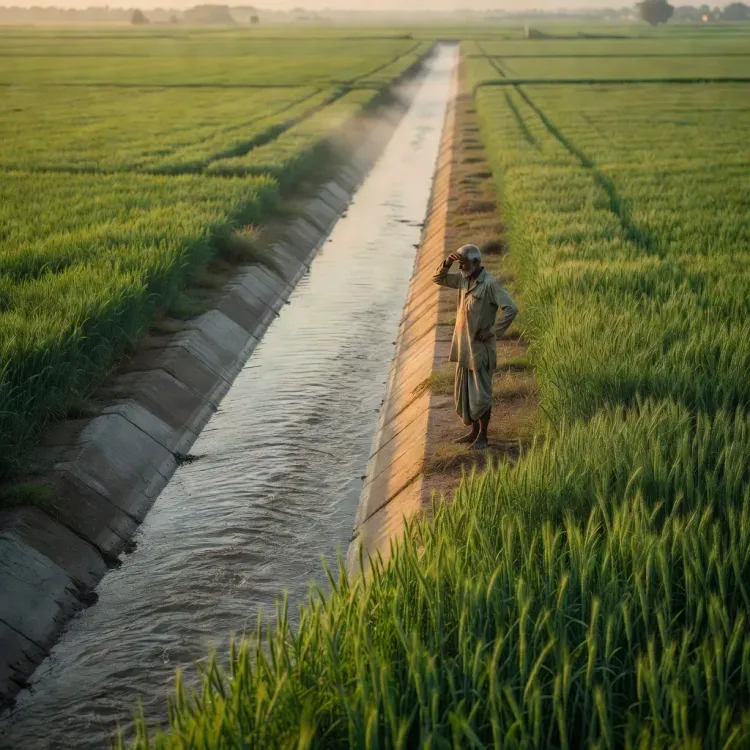
Chief Minister Yogi Adityanath has directed Uttar Pradesh's Irrigation Department to ensure canal water reaches the last mile, identify under-irrigated zones, prepare drought relief for livestock, and drive water conservation as a people's movement at the Gram Panchayat level.
Key Takeaways
CM Yogi Adityanath directed the Irrigation and Minor Irrigation Department to ensure effective operation of the canal network and last-mile water delivery.
Authorities have been asked to identify low-irrigation zones and prepare special action plans for those areas.
Adequate arrangements for fodder, drinking water, and veterinary care for livestock must be made in areas facing potential drought conditions.
Conservation of drinking water sources and rejuvenation of village ponds at the Gram Panchayat level has been specifically emphasised.
Water conservation is to be promoted as a jan andolan (people's movement) across the state.
The directives align with the national Jal Shakti Abhiyan framework launched in 2019 .
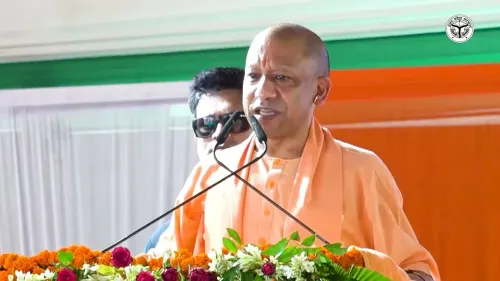
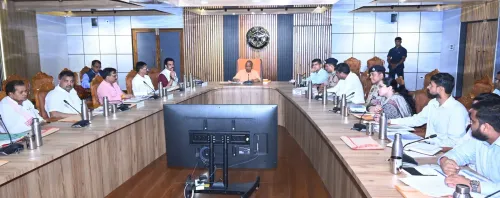
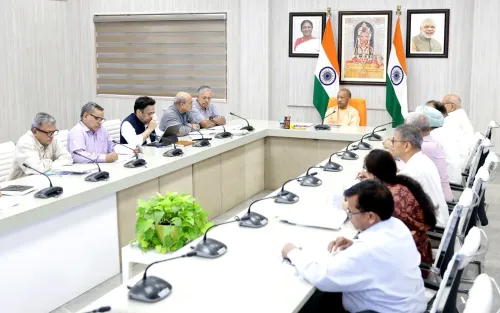
The Chief Minister's Office of Uttar Pradesh announced on Tuesday, 23 June 2026 that Chief Minister Yogi Adityanath has directed the Irrigation and Minor Irrigation Department to ensure effective operation of the canal network and guarantee water delivery to the last mile, while also ordering comprehensive drought-preparedness measures for livestock and drinking water sources across the state.
Context
The directives, shared by the official CMO account, instruct the department to identify under-irrigated zones and prepare special action plans for those areas. In the original post, the Chief Minister's Office stated: 'नहर प्रणाली का प्रभावी संचालन सुनिश्चित किया जाए तथा अंतिम छोर तक सिंचाई जल पहुंचाया जाए' — 'effective operation of the canal system must be ensured and irrigation water must reach the last point.' The directive reflects the state government's heightened focus on equitable water distribution ahead of the monsoon season.
Separately, CM Yogi ordered adequate arrangements for fodder, drinking water, and veterinary care for livestock in areas that may face drought-like conditions. Village-level water source conservation, pond rejuvenation, and water conservation as a jan andolan (people's movement) were also emphasised.
Policy Backdrop
Uttar Pradesh has historically issued pre-monsoon directives to address regional irrigation gaps, particularly in chronically water-stressed regions. The state's canal infrastructure serves millions of farmers, yet uneven distribution has long left tail-end agricultural land under-served.
The emphasis on Gram Panchayat-level action aligns with the national Jal Shakti Abhiyan, launched in 2019, which promotes water conservation and groundwater recharge as a community-driven public movement. Uttar Pradesh has been a key participant in that programme, with village bodies playing a central role in pond restoration and rainwater harvesting.
Stakeholders and Impact
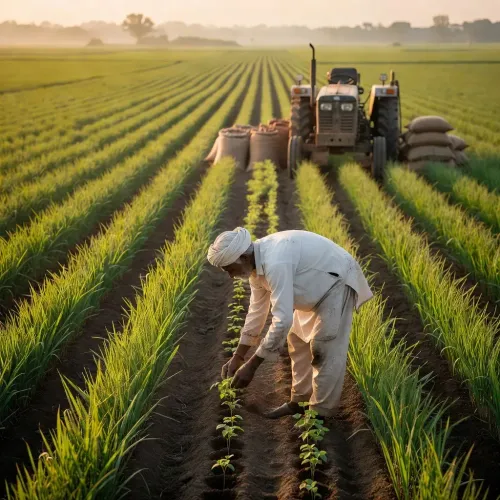
The directives directly affect UP's farming community, which depends heavily on canal irrigation during the kharif sowing season. Identification of low-irrigation zones and targeted action plans could improve crop yields in areas that have historically received inadequate water supply.
Livestock owners in drought-prone districts stand to benefit from the ordered provisions of fodder, water, and medical support. The push to treat water conservation as a jan andolan at the Gram Panchayat level aims to build community ownership of local water bodies, including ponds and village drinking-water sources, which are critical during dry spells.
What's Next
Attention will now shift to the rollout of special action plans for under-irrigated zones and any coordination meetings between state departments on monsoon preparedness and fodder security. The Irrigation and Minor Irrigation Department is expected to map low-coverage areas and submit plans to the Chief Minister's Office.
How effectively these directives translate into ground-level action — particularly the revival of village ponds and last-mile canal delivery — will determine their impact on agricultural output and rural water security across Uttar Pradesh this season.
Point of View
Aware that irrigation failures and livestock distress carry significant electoral consequences in rural Uttar Pradesh. The framing of water conservation as a jan andolan mirrors the Centre's own Jal Shakti Abhiyan rhetoric, suggesting a deliberate alignment between state and national messaging ahead of the agricultural season. The focus on last-mile canal delivery is telling — it acknowledges a structural weakness in UP's irrigation infrastructure that has persisted for decades. Whether the ordered special action plans move beyond paper directives into measurable field outcomes will be the real test of this governance push.
NationPress
22 Sept 2026
Frequently Asked Questions
What did CM Yogi order regarding irrigation in Uttar Pradesh?
CM Yogi Adityanath directed the Irrigation and Minor Irrigation Department to ensure effective operation of the canal network, deliver water to the last mile, and prepare special action plans for under-irrigated zones in Uttar Pradesh.
What drought preparedness measures has the UP government announced?
The UP government has directed departments to ensure adequate fodder, drinking water, and veterinary medical care for livestock in areas that may face drought-like conditions.
What is the role of Gram Panchayats in UP's water conservation plan?
Gram Panchayats have been tasked with conserving drinking water sources, reviving village ponds, and driving water conservation as a people's movement at the village level.
How does Uttar Pradesh's water conservation push relate to the Jal Shakti Abhiyan?
UP's emphasis on community-level pond rejuvenation and water conservation aligns with the national Jal Shakti Abhiyan, launched in 2019, which promotes groundwater recharge and water conservation as a public movement across Indian states.
Which areas in UP are most affected by irrigation shortfalls?
Uttar Pradesh has historically seen irrigation gaps in drought-prone regions, and the latest directive asks the Irrigation Department to formally identify and map low-irrigation zones for targeted action plans.