CM Yogi Says Pre-2017 CMs Avoided Bijnor, Calling It Bad Omen
Synopsis
Uttar Pradesh Chief Minister Yogi Adityanath claimed on 17 July 2026 that his predecessors avoided Bijnor, citing it as a bad omen for chief ministers, and retorted that those leaders were themselves the ill omen — sharpening his contrast between pre- and post-2017 governance in western UP.
Key Takeaways
CM Yogi Adityanath stated on 17 July 2026 that chief ministers before 2017 did not visit Bijnor district.
He said previous chief ministers claimed Bijnor was a bad omen for them, and countered that they themselves were the ill omen.
Bijnor is a district in western Uttar Pradesh bordering Uttarakhand , historically cited as administratively neglected.
Yogi Adityanath has made district-level outreach a consistent feature of his governance since taking office in March 2017 .
The remark aligns with a broader BJP strategy of framing post-2017 governance as corrective action against prior neglect of specific UP districts.
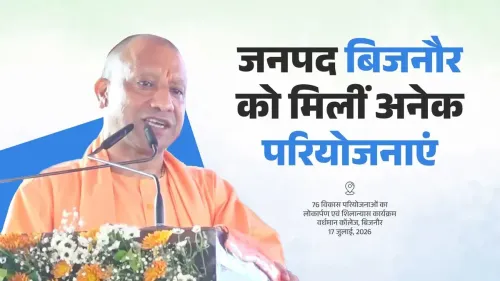
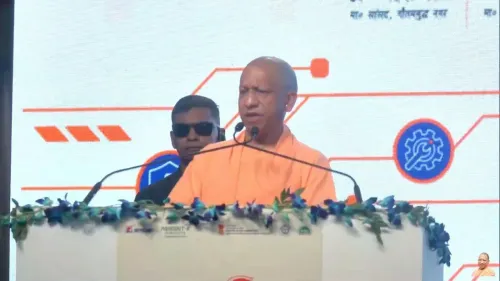
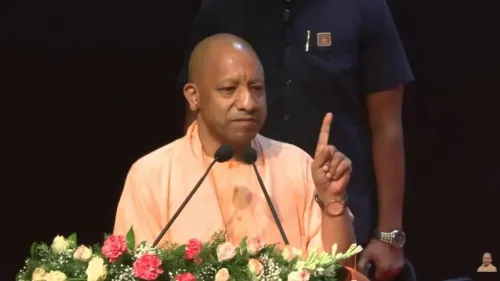
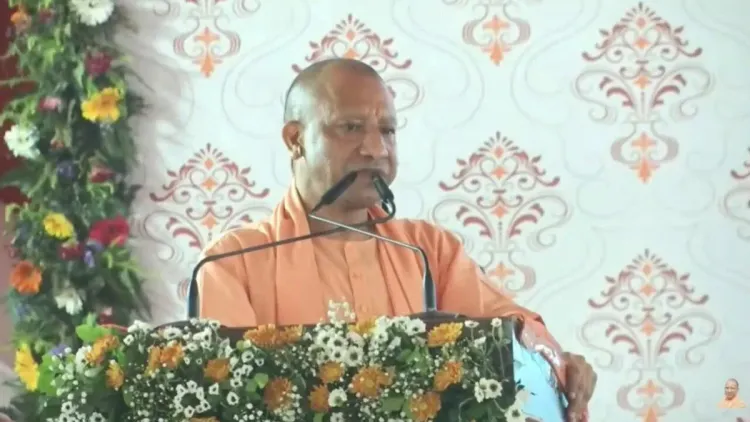
Uttar Pradesh Chief Minister Yogi Adityanath on Friday, 17 July 2026, publicly claimed that chief ministers before him avoided visiting Bijnor district, citing a superstition that the place was an ill omen for them — and sharply turned the charge back on his predecessors, saying they themselves were the ill omen.
Context
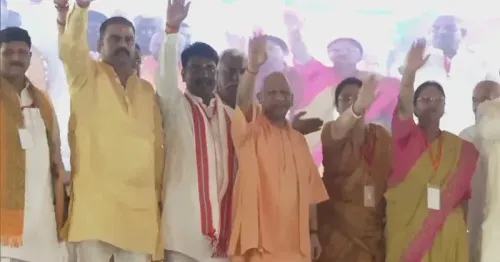
In a pointed remark delivered in Hindi, CM Yogi said: 'वर्ष 2017 के पहले बिजनौर में मुख्यमंत्री नहीं आते थे। वे बोलते थे कि मुख्यमंत्रियों के लिए अपशकुन है। वे स्वयं ही अपशकुन थे...' ('Before 2017, chief ministers did not come to Bijnor. They used to say it was a bad omen for chief ministers. They themselves were the bad omen...'). The ellipsis at the end of the post suggests the remark was part of a longer address, likely delivered at a public event in or related to Bijnor.
Bijnor is a district in western Uttar Pradesh, bordering Uttarakhand, that has historically been cited by BJP leaders as an example of administrative neglect under previous governments.
Policy Backdrop
Since taking charge in March 2017 after the BJP's decisive victory in the Uttar Pradesh Legislative Assembly elections, Yogi Adityanath has made district-level outreach a visible part of his governance style. His administration launched programmes specifically aimed at countering the perception that certain districts — particularly in western UP — received uneven attention from the state government.
The 2017 election itself was framed in part around accusations that earlier Samajwadi Party and Bahujan Samaj Party governments had neglected large swathes of the state. CM Yogi has repeatedly invoked this contrast in public speeches, positioning his administration as corrective and accessible where predecessors were absent.
Stakeholders and Impact
The remark is directed squarely at residents and voters of Bijnor and the broader western Uttar Pradesh belt. By framing prior chief ministers' absence as both a political failing and a superstition they themselves embodied, CM Yogi reinforces a narrative of past neglect versus present engagement.
For Bijnor's residents, the statement carries symbolic weight — an acknowledgement from the sitting chief minister that the district was historically sidelined at the highest level of state administration. Western UP voters have been a key demographic in recent assembly and local body elections.
What's Next
Remarks of this kind from CM Yogi have in the past preceded or accompanied formal infrastructure announcements or administrative outreach in the districts mentioned. Bijnor and neighbouring western UP districts are likely to feature in BJP campaign messaging going forward. Whether this statement is followed by specific project launches or policy announcements for the region will be closely watched by political observers and local stakeholders alike.
Point of View
He both dismisses the claim and personalises blame on former chief ministers. This fits a consistent BJP playbook in Uttar Pradesh of using district-specific narratives to consolidate voter loyalty in regions that felt overlooked before 2017. The timing and framing suggest the statement may be laying groundwork for a broader political or administrative push in western UP.
NationPress
16 Oct 2026
Frequently Asked Questions
Why did CM Yogi say previous chief ministers avoided Bijnor?
CM Yogi Adityanath said that before 2017, chief ministers avoided Bijnor because they believed it was a bad omen for them. He then sarcastically remarked that those leaders were themselves the ill omen, implying their absence reflected poor governance rather than any superstition about the district.
What is the significance of Bijnor district in Uttar Pradesh politics?
Bijnor is a district in western Uttar Pradesh bordering Uttarakhand. BJP leaders have frequently cited it as an example of a region neglected by previous Samajwadi Party and Bahujan Samaj Party governments, making it a recurring reference point in post-2017 governance narratives.
When did Yogi Adityanath become Chief Minister of Uttar Pradesh?
Yogi Adityanath became Chief Minister of Uttar Pradesh in March 2017, following the BJP's victory in the state legislative assembly elections that year.
What has Yogi Adityanath's government done for western Uttar Pradesh?
Since 2017, the Yogi Adityanath government has initiated district-level outreach programmes aimed at addressing perceptions of regional neglect in western Uttar Pradesh. The administration has publicly contrasted this approach with the alleged avoidance of certain districts by previous state governments.
What does 'apashakun' mean in CM Yogi's statement about Bijnor?
'Apashakun' is a Hindi word meaning 'bad omen' or 'ill omen'. CM Yogi used it to describe the superstition that previous chief ministers cited for not visiting Bijnor, before turning the term back on those leaders themselves.