CM Yogi: UP ensures safe passage to temples and Shaktipeeths
Synopsis
Chief Minister Yogi Adityanath declared on 13 October 2026 that Uttar Pradesh has secured a safe environment for devotees to freely visit Shaktipeeths and temples of Maa Bhagwati — a statement timed to Navratri and rooted in the government's law-and-order governance plank.
Key Takeaways
CM Yogi Adityanath stated on 13 October 2026 that UP's security environment allows people to leave their homes fearlessly and visit temples.
The statement specifically highlights access to Shaktipeeths and temples of Maa Bhagwati across the state.
51 Shaktipeeths — sacred sites dedicated to Goddess Shakti — include several key shrines inside Uttar Pradesh .
The Yogi government has positioned law-and-order reform as a core governance plank since taking office in March 2017 .
State budgets have allocated resources for temple security and festival crowd management .
The statement arrives ahead of the Navratri festival, the peak pilgrim season for Shakti-related shrines in the state.
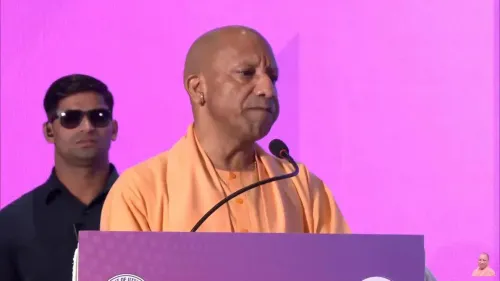
Uttar Pradesh's streets are safer, and its pilgrims are walking them without fear — that is the claim Chief Minister Yogi Adityanath put on record on Tuesday, 13 October 2026, as the Chief Minister's Office of Uttar Pradesh shared his words ahead of the Navratri season.
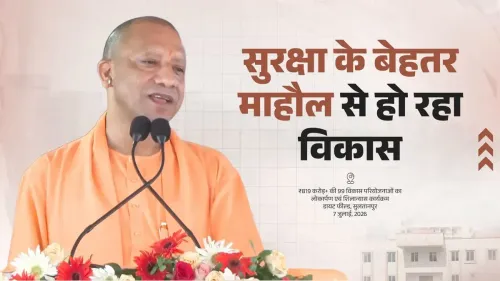
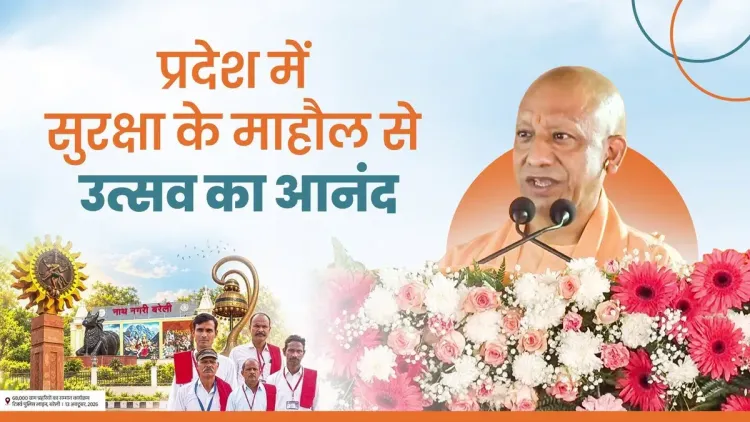
Speaking in Hindi, CM Yogi said: 'Pradesh sarkar ne aisa surakshit vatavaran sunishchit kiya hai, jismein log bejhijhak aur nidar hokar gharon se nikal sakte hain tatha jagah-jagah sthit Shaktipeetho aur mandiro mein Maa Bhagwati ke darshan kar sakte hain.' In English: 'The state government has ensured such a secure environment that people can step out of their homes freely and fearlessly, and visit the Shaktipeeths and temples of Maa Bhagwati across the state.'
The Shaktipeeths at the centre of the claim
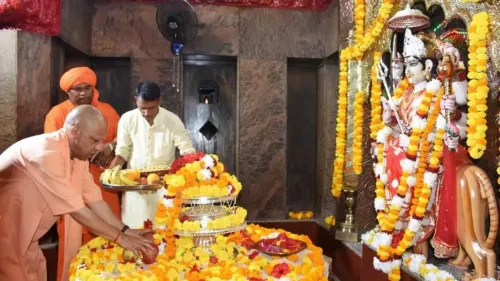
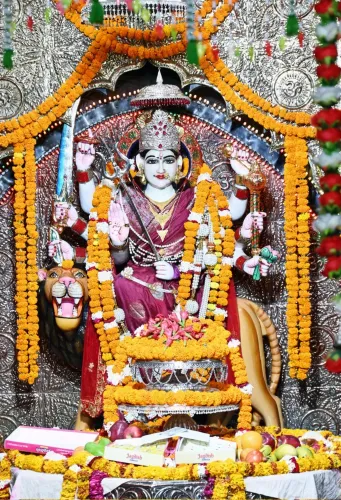
The 51 Shaktipeeths — a network of sacred Hindu sites dedicated to Goddess Shakti — are among the most visited pilgrimage destinations in India, with several located inside Uttar Pradesh. Millions of devotees converge on these shrines during festivals, making crowd safety and route security a perennial pressure test for state administration. The CM's statement positions the government's law-and-order record as the foundation that makes that pilgrimage possible.
Law and order as a governance identity
Since taking office in March 2017, Yogi Adityanath's administration has consistently anchored its public image to anti-crime operations — anti-mafia drives, anti-encroachment campaigns, and successive waves of police modernisation. State budgets have repeatedly ring-fenced allocations for temple security and festival management. The argument has always been sequential: restore order first, religious tourism follows. Tuesday's statement is the latest iteration of that thesis.
Navratri as the moment of proof
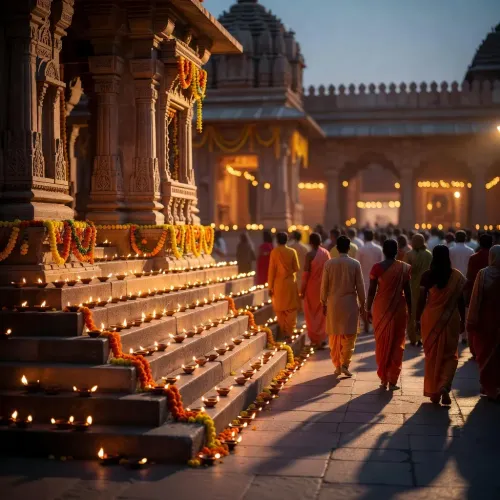
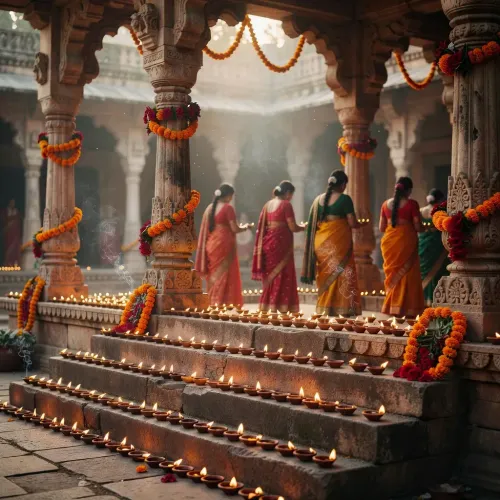
The timing matters. Navratri — the nine-night festival honouring Maa Bhagwati — draws some of the largest pilgrim footfalls across Uttar Pradesh's Shaktipeeths and temples every year. A claim about fearless mobility and safe access lands differently when devotees are actively planning their journeys. State police deployments, crowd management protocols, and crime data will be watched closely as the festival period unfolds — a real-world stress test of the government's assertion.
For CM Yogi, law and order is not merely a policy outcome; it is the headline. Tuesday's statement is a reminder that in Uttar Pradesh, the road to good governance — and good politics — still runs through the temple gate.
Point of View
When temple footfall is highest and security arrangements are most visible. By framing law and order as the enabler of religious freedom, CM Yogi reinforces his administration's core brand: that governance reform and Hindu pilgrimage are inseparable in the UP model. The challenge for the government is that the claim is now a hostage to real-world outcomes — any high-profile incident at a Shaktipeeth during the festival season will be measured against this very assertion. Longer term, the statement underscores how religious tourism has become a concrete policy metric in UP, with safety infrastructure now pitched as a deliverable, not just a background condition.
NationPress
13 Oct 2026
Frequently Asked Questions
What did CM Yogi Adityanath say about temple safety in UP?
CM Yogi said the UP government has ensured a secure environment so people can leave their homes fearlessly and visit Shaktipeeths and temples of Maa Bhagwati across the state.
Which Shaktipeeths are located in Uttar Pradesh?
Several of the 51 sacred Shaktipeeths dedicated to Goddess Shakti are located in Uttar Pradesh, making the state a major centre for Shakti-related pilgrimage in India.
How has the Yogi Adityanath government improved law and order in UP?
Since 2017, the Yogi government has conducted anti-mafia drives, anti-encroachment operations, and police modernisation campaigns, with state budgets allocating funds for temple security and festival management.
Why did CM Yogi make this statement in October 2026?
The statement coincides with the Navratri season, when millions of devotees visit Shaktipeeths and temples of Maa Bhagwati, making pilgrim safety a timely and visible governance concern.
What is the significance of Navratri for UP's Shaktipeeths?
Navratri is a nine-night Hindu festival honouring Maa Bhagwati and draws some of the largest pilgrim gatherings to Uttar Pradesh's Shaktipeeths, serving as an annual stress test for state security and crowd management.