CM Yogi: UP Has Emerged from BIMARU Status in 9 Years
Synopsis
Chief Minister Yogi Adityanath declared on 24 June 2026 that Uttar Pradesh has emerged from its BIMARU status, attributing the turnaround to nine years of double engine BJP governance that brought stability and safety to India's most populous state.
Key Takeaways
CM Yogi Adityanath declared on 24 June 2026 that Uttar Pradesh has exited its BIMARU status after nine years of double engine governance.
The 'double engine government' refers to simultaneous BJP rule at the Union level since 2014 and in Uttar Pradesh since March 2017 .
BIMARU is an acronym from the 1980s denoting lagging development states: Bihar, Madhya Pradesh, Rajasthan, and Uttar Pradesh.
CM Yogi credited 'Stability and Safety' as the twin pillars of the state's turnaround under the current administration.
Uttar Pradesh hosted its first Global Investors Summit in 2018 as part of efforts to attract industrial investment and reshape the state's economic image.
The UP state budget 2027 and future investor summits are expected to provide updated data to assess the BIMARU-exit claim.
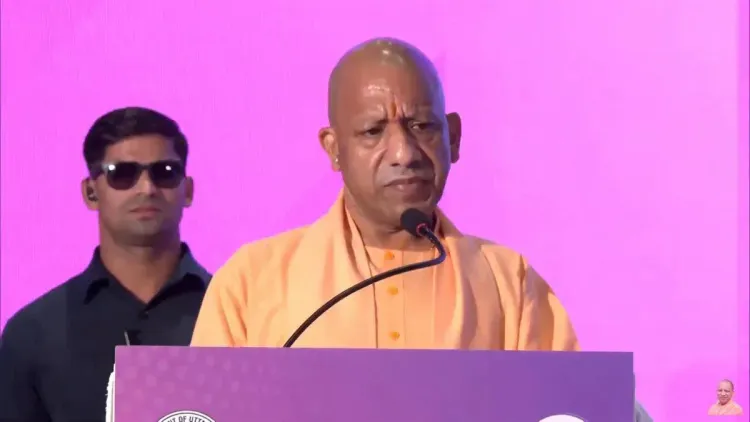
Uttar Pradesh Chief Minister Yogi Adityanath declared on Wednesday, 24 June 2026 that the state has shed its long-standing 'BIMARU' label, crediting nine years of 'double engine government' for delivering stability and safety to India's most populous state.
Context
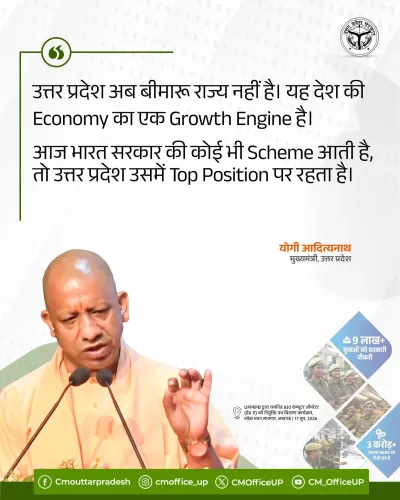
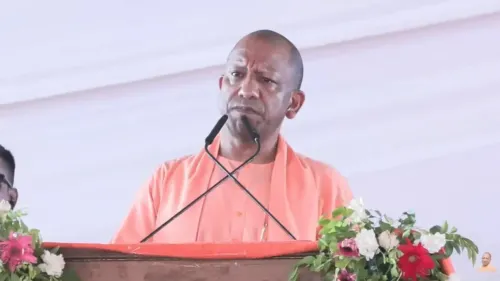
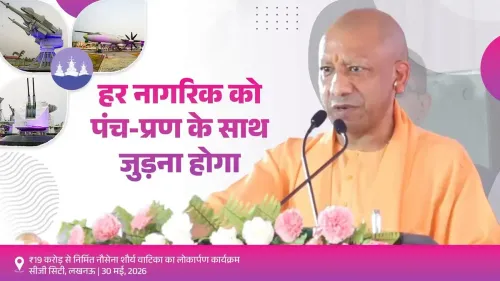
In his post, CM Yogi stated: 'पिछले 9 वर्षों में उत्तर प्रदेश के अंदर डबल इंजन सरकार ने Stability and Safety का जो माहौल दिया' — ('In the last 9 years, the double engine government in Uttar Pradesh created an environment of Stability and Safety') — and attributed Uttar Pradesh's turnaround from a BIMARU state directly to that governance model. The post was accompanied by a video, suggesting the remarks may form part of a larger address or campaign communication.
The term BIMARU — an acronym coined in the 1980s covering Bihar, Madhya Pradesh, Rajasthan, and Uttar Pradesh — historically denoted states with poor human development indicators, high fertility rates, and sluggish economic growth. Being associated with the label carried significant political and economic stigma for the state.
Policy Backdrop
Yogi Adityanath was first sworn in as Chief Minister in March 2017 following the BJP's decisive victory in the state assembly elections. The 'double engine government' phrase refers to simultaneous BJP rule at the Union level — in place since 2014 — and in Uttar Pradesh since 2017, a combination the party argues enables faster policy execution and fund flow.
Uttar Pradesh hosted its first Global Investors Summit in 2018 as part of a push to attract industrial investment and reposition the state's economic image. The Yogi administration has repeatedly cited improvements in law and order, infrastructure spending, and investor confidence as markers of the state's transformation over the past nine years.
The claim of exiting BIMARU status is part of a consistent BJP governance narrative that links aligned central and state leadership to measurable development outcomes. Similar assertions have been made across other states that were once part of the BIMARU grouping.
Stakeholders and Impact
Uttar Pradesh's roughly 24 crore residents stand as the primary stakeholders in any genuine shift in the state's development trajectory. An improved security environment and stronger economic fundamentals, if sustained, would affect employment, investment inflows, and public services across the state's 75 districts.
Investors and industry bodies that have engaged with the state since the 2018 Global Investors Summit are also watching closely, as the BIMARU exit narrative directly influences perceptions of business risk and ease of doing business. The framing also carries weight for the BJP ahead of future electoral cycles in what is the country's largest electoral state.
What's Next
The Uttar Pradesh state budget for 2027 and any forthcoming investor summit announcements are expected to provide updated data on capital expenditure, employment, and law-and-order metrics that will either substantiate or complicate the BIMARU-exit claim. Independent assessments of crime statistics and economic indicators will be closely watched by analysts and opposition parties alike.
With CM Yogi marking nine years of double engine governance through public communication, the political messaging around Uttar Pradesh's development story is likely to intensify as the state approaches future budget and electoral cycles.
Point of View
Timed to mark nine years of the double engine model and reinforce the BJP's central electoral argument that aligned Union-state leadership delivers tangible results. The claim draws on a long-running narrative shift that began with the 2017 election victory and was institutionalised through investor summits and law-and-order campaigns. However, independent verification of BIMARU-exit benchmarks — covering human development, fertility, and per-capita income — remains critical before the assertion can be treated as settled fact. The framing also sets the political stage for upcoming budget cycles and any future assembly election campaign, positioning governance credibility as the BJP's primary asset in India's largest state.
NationPress
24 Jun 2026
Frequently Asked Questions
What is a BIMARU state and has Uttar Pradesh really exited BIMARU status?
BIMARU is an acronym coined in the 1980s for Bihar, Madhya Pradesh, Rajasthan, and Uttar Pradesh — states that lagged on development indicators. CM Yogi Adityanath claimed on 24 June 2026 that Uttar Pradesh has exited this status, citing nine years of double engine governance, though independent verification of all BIMARU benchmarks is ongoing.
What is the double engine government that CM Yogi refers to?
The 'double engine government' refers to simultaneous BJP rule at the Union level since 2014 and in Uttar Pradesh since March 2017. The BJP argues this alignment enables faster policy execution, better fund flow, and coordinated development initiatives for the state.
How long has Yogi Adityanath been Chief Minister of Uttar Pradesh?
Yogi Adityanath has been Chief Minister of Uttar Pradesh since March 2017, when the BJP won the state assembly elections. He was re-elected for a second term, making his tenure span the nine years referenced in his 24 June 2026 post.
What was the Global Investors Summit held in Uttar Pradesh?
Uttar Pradesh held its first Global Investors Summit in 2018 under the Yogi Adityanath government to attract industrial investment and signal a shift in the state's economic image away from its BIMARU-era reputation.
What will confirm whether Uttar Pradesh has truly left BIMARU status behind?
The Uttar Pradesh state budget for 2027 and forthcoming investor summit announcements are expected to provide updated data on capital expenditure, employment, crime, and human development indicators that will help independently assess the BIMARU-exit claim.