CM Yogi: UP Now a Revenue Surplus State, Not BIMARU
Synopsis
Chief Minister Yogi Adityanath declared on 26 July 2026 that Uttar Pradesh has moved from BIMARU backwardness to revenue surplus, pledging no shortage of funds for development — a significant claim for India's most populous state.
Key Takeaways
CM Yogi Adityanath declared on 26 July 2026 that Uttar Pradesh is now a revenue surplus state.
The Chief Minister pledged that funds for development work will not be allowed to fall short.
The BIMARU label was coined in the 1980s by demographer Ashish Bose to describe economically lagging states including UP.
The claim reflects ongoing state-level messaging around fiscal self-reliance since the BJP government took office in 2017 .
The next state budget and CAG audit reports will be the key tests of the revenue surplus assertion.
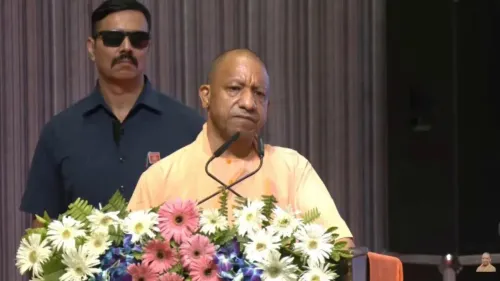
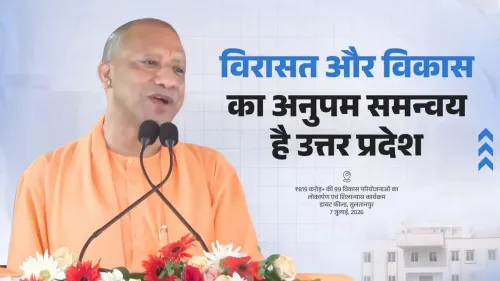
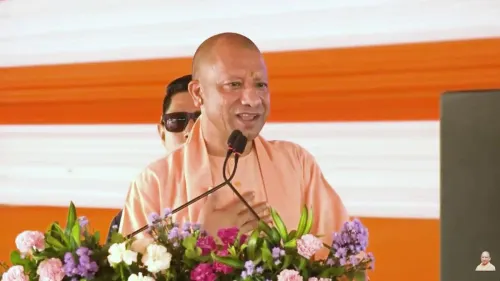
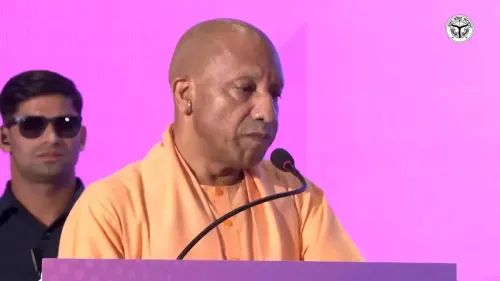
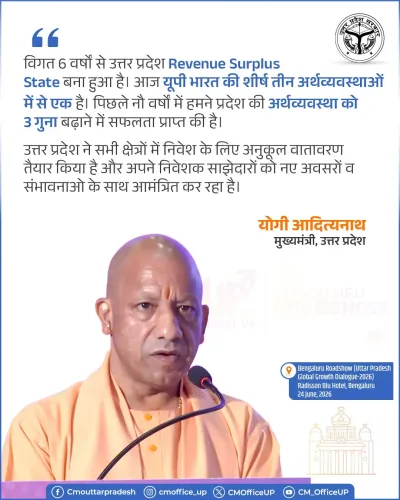
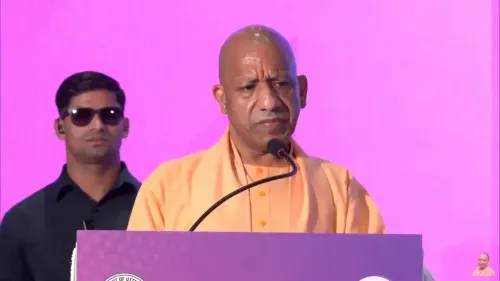
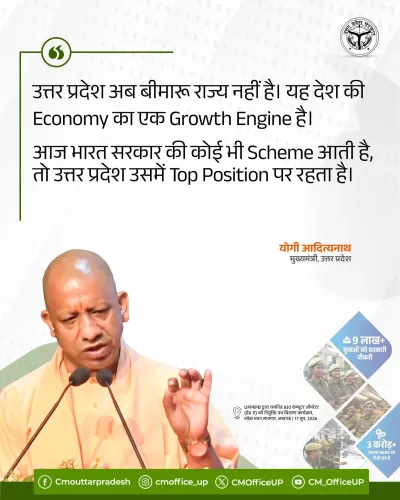
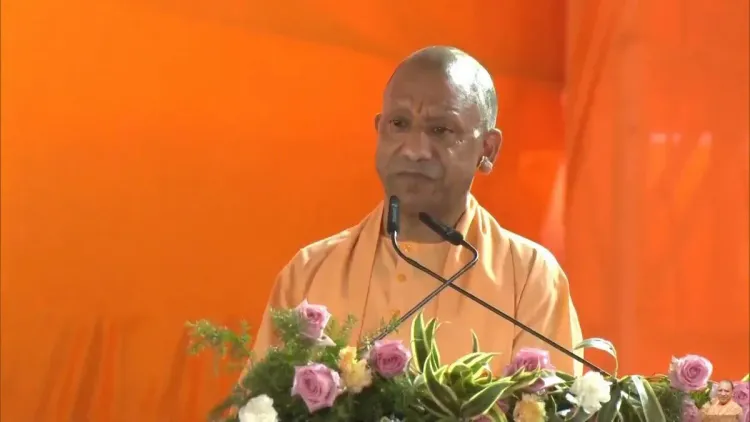
Uttar Pradesh Chief Minister Yogi Adityanath declared on Sunday, 26 July 2026 that the state will never face a shortage of funds for development work, asserting that Uttar Pradesh has shed its long-standing 'BIMARU' tag and transformed into a revenue surplus state.
In his post on X, the Chief Minister stated: 'विकास के कार्य के लिए पैसे की कमी नहीं आने दी जाएगी... अब यूपी बीमारू राज्य नहीं, रेवेन्यू सरप्लस राज्य है...' ['There will be no shortage of money for development work... Now UP is not a BIMARU state, it is a revenue surplus state...'].
Context
The term BIMARU — an acronym coined in the 1980s by demographer Ashish Bose — grouped Bihar, Madhya Pradesh, Rajasthan, and Uttar Pradesh as states characterised by economic backwardness, high poverty, and persistent fiscal deficits. For decades, Uttar Pradesh carried this label, with state finances heavily dependent on central government transfers. Chief Minister Adityanath's claim represents a direct repudiation of that historical characterisation.
Policy Backdrop
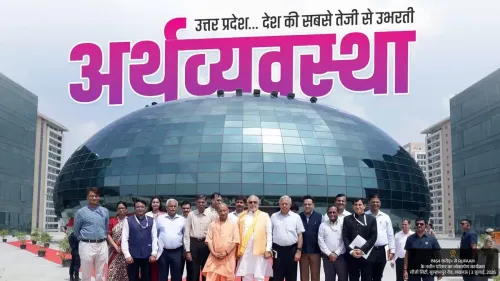
Since 2017, successive Yogi Adityanath-led governments in Uttar Pradesh have pursued a series of industrial policy reforms, investment summits, and revenue mobilisation drives aimed at improving the state's own-tax and non-tax receipts. The administration has repeatedly cited growth in GST collections, stamp duty revenues, and industrial investment as indicators of fiscal improvement. The push for revenue self-reliance has been a consistent plank of the state's economic messaging, with officials pointing to reduced dependence on New Delhi for routine expenditure.
The Chief Minister's assertion that funds for development will not be allowed to run short signals a commitment to sustaining capital expenditure — a priority that state governments across India have increasingly emphasised following the central government's own push for infrastructure-led growth. Uttar Pradesh, as the country's most populous state, commands particular attention when it signals fiscal headroom for public investment.
Stakeholders and Impact
The declaration carries direct significance for Uttar Pradesh's approximately 24 crore residents, particularly those in rural and semi-urban areas who depend on state-funded infrastructure, health, and education schemes. A revenue surplus position, if sustained, would allow the state to finance development projects from its own coffers rather than borrowing or awaiting central grants. For prospective investors, the signal is equally important: a fiscally stable state government is better positioned to honour commitments on land, utilities, and incentives made at investment summits.
Political stakeholders will also parse the statement closely. The BJP-led government in Lucknow has made economic transformation a central narrative ahead of future electoral cycles, and the 'revenue surplus' framing directly counters opposition arguments about governance and fiscal management in the state.
What's Next
The next Uttar Pradesh state budget will be the key document to watch, as it will either substantiate or complicate the revenue surplus claim with audited figures. Any follow-up announcements on capital expenditure allocations, new industrial corridors, or investment policy revisions will be scrutinised against this declaration. Independent fiscal analysts and the Comptroller and Auditor General reports will ultimately provide the authoritative measure of whether the state's revenue position matches the political claim.
Point of View
Repositioning Uttar Pradesh in the national imagination at a time when the state is central to the BJP's governance narrative. The BIMARU framing has long been a rhetorical weapon for opposition parties, and directly inverting it — surplus rather than deficit, self-reliant rather than dependent — is a deliberate counter-narrative. The claim also fits a broader pattern seen across northern and eastern states that are competing for investment and seeking to demonstrate administrative credibility. Whether the assertion holds up to fiscal scrutiny will determine its longevity as a political asset.
NationPress
26 Jul 2026
Frequently Asked Questions
Is Uttar Pradesh now a revenue surplus state?
Chief Minister Yogi Adityanath claimed on 26 July 2026 that Uttar Pradesh has become a revenue surplus state, but independent verification through audited budget documents and CAG reports is required to confirm this.
What does BIMARU state mean?
BIMARU is an acronym coined by demographer Ashish Bose in the 1980s referring to Bihar, Madhya Pradesh, Rajasthan, and Uttar Pradesh — states historically characterised by economic backwardness and fiscal deficits.
What did CM Yogi Adityanath say about UP's development funds?
CM Yogi Adityanath stated that there will be no shortage of money for development work in Uttar Pradesh, linking this to the state's claimed transition to a revenue surplus position.
How has Uttar Pradesh's economy changed under Yogi Adityanath?
Since 2017, the Yogi Adityanath government has pursued industrial policy reforms, investment summits, and revenue mobilisation drives, citing growth in GST collections and industrial investment as markers of fiscal improvement.
What is the significance of UP becoming revenue surplus?
A revenue surplus position would allow Uttar Pradesh to finance development projects from its own resources rather than relying on central government transfers or borrowing, benefiting its approximately 24 crore residents.