CM Yogi: UP Was Never BIMARU, the Mindset Was
Synopsis
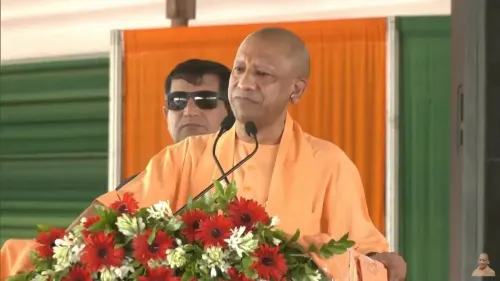
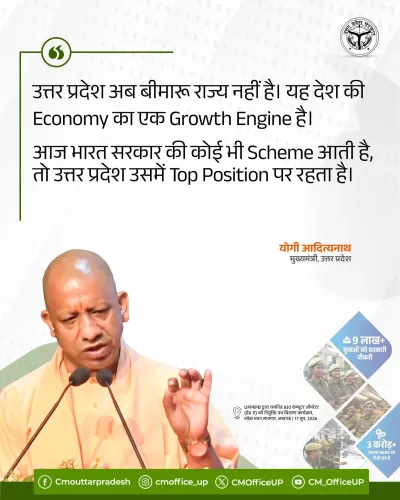
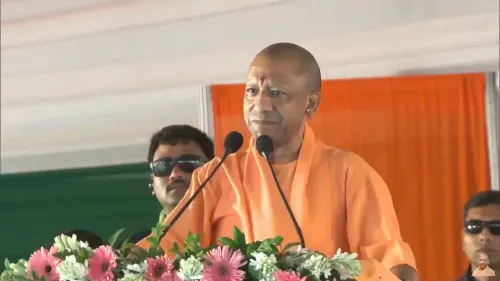
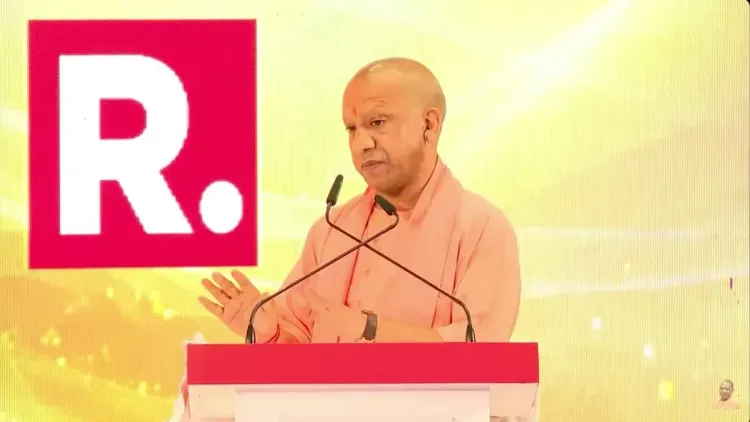
Chief Minister Yogi Adityanath declared on 14 July 2026 that Uttar Pradesh was never inherently BIMARU — the backwardness, he argued, lay in the 'mindset' of those who governed the state before 2017, framing the BJP's nine-year tenure as the decisive break from that era.
Key Takeaways
CM Yogi Adityanath posted on 14 July 2026 that UP itself was never BIMARU — the problem was the governing 'mindset' before 2017 .
The BIMARU label historically grouped Uttar Pradesh with Bihar, Madhya Pradesh, and Rajasthan as states with poor socio-economic indicators.
The BJP won the 2017 UP assembly elections , ending the Samajwadi Party government and making Yogi Adityanath Chief Minister.
Post-2017 priorities included police reform, anti-corruption measures, and industrial investment promotion.
The statement is widely read as early positioning ahead of the 2027 Uttar Pradesh assembly elections .
The implicit target is the Samajwadi Party's pre-2017 governance record, though no party is named in the post.
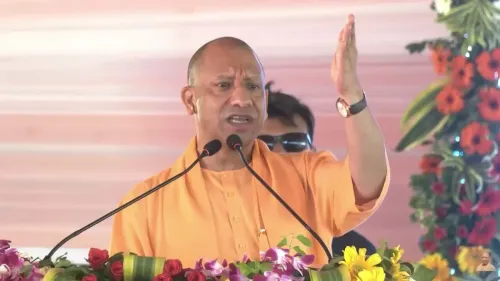
Uttar Pradesh Chief Minister Yogi Adityanath on Tuesday, 14 July 2026, declared on X that the state itself was never backward — the problem, he argued, was the 'mindset' that governed it before 2017. The post, written in Hindi, draws a sharp distinction between Uttar Pradesh as a place and the political culture he says held it back.
Context
In the post, CM Yogi wrote: 'UP बीमारू नहीं था, बीमारू वह 'मानसिकता' थी, जो यूपी के अंदर वर्ष 2017 के पहले शासन कर रही थी...' — translated: 'UP was not BIMARU; BIMARU was the 'mindset' that was governing UP before the year 2017.' The statement is a direct rebuttal of the long-standing 'BIMARU' label applied to Uttar Pradesh, which grouped it alongside Bihar, Madhya Pradesh, and Rajasthan as states with lagging socio-economic indicators. By locating the pathology in governance rather than geography or population, the Chief Minister frames the post-2017 BJP administration as the corrective.
Policy Backdrop
The BJP swept the 2017 Uttar Pradesh Legislative Assembly elections, ending the Samajwadi Party government led by Akhilesh Yadav and installing Yogi Adityanath as Chief Minister. The incoming administration made police reform, anti-corruption drives, and industrial investment its headline priorities, explicitly contrasting its approach with what it called 'goonda raj' under the previous dispensation. Since then, the state government has repeatedly cited improvements in law-and-order data and investor summits as evidence of a turnaround.
The BIMARU acronym — coined by demographer Ashish Bose in the 1980s — was originally a demographic and economic classification, not a political one. Its invocation by a sitting Chief Minister as a political argument is itself a marker of how deeply the term has entered electoral discourse in the Hindi belt.
Stakeholders and Impact
The statement lands primarily as a message to Uttar Pradesh's roughly 24 crore residents, many of whom lived through both the pre- and post-2017 administrations and hold direct opinions on the change. It also speaks to investors and industry bodies that the BJP has courted through successive investment summits, reinforcing the narrative that the state's business climate is a product of political will rather than structural constraints. Opposition parties, particularly the Samajwadi Party, are the implicit target: the 'mindset' framing places responsibility for historical underdevelopment squarely on prior ruling parties without naming them.
For ordinary voters, the post is a compressed version of the BJP's core governance pitch in the state — that institutional decay was a choice, and that the choice has since been reversed.
What's Next
With the 2027 Uttar Pradesh assembly elections approaching, statements of this kind are expected to become more frequent as the ruling party begins to consolidate its record into a campaign narrative. Watch for accompanying data releases — law-and-order statistics, investment figures, or infrastructure milestones — that the administration is likely to deploy alongside such messaging. The Samajwadi Party's counter-narrative on unemployment, agrarian distress, and administrative accountability will define the contours of that contest.
Point of View
He sidesteps debates about caste, agrarian economics, and demographic complexity that the original classification was meant to capture. The timing, roughly eighteen months before the 2027 assembly elections, suggests the BJP is beginning to lock in its master narrative: that Uttar Pradesh's trajectory changed not because of external forces but because of a deliberate political choice made in 2017. How effectively the opposition contests that claim — with data on unemployment, farmer incomes, and public services — will shape whether the argument lands with voters or becomes a point of contestation.
NationPress
14 Jul 2026
Frequently Asked Questions
What does BIMARU mean and why is CM Yogi talking about it?
BIMARU is an acronym coined in the 1980s grouping Bihar, Madhya Pradesh, Rajasthan, and Uttar Pradesh as states with low development indicators. CM Yogi Adityanath invoked the term on 14 July 2026 to argue that UP was never inherently backward — the backwardness, he said, was a product of the 'mindset' of those who governed it before 2017.
What did Yogi Adityanath say about UP on 14 July 2026?
He posted on X that 'UP was not BIMARU; BIMARU was the mindset that was governing UP before 2017,' directly attributing the state's historical underperformance to the political culture of the pre-2017 administration rather than to the state itself.
Who governed Uttar Pradesh before Yogi Adityanath came to power?
The Samajwadi Party, led by Akhilesh Yadav, governed Uttar Pradesh from 2012 to 2017. The BJP won the 2017 assembly elections and installed Yogi Adityanath as Chief Minister.
Is this related to the 2027 UP elections?
While the post does not mention elections, it is widely read in that context. The 2027 Uttar Pradesh assembly elections are the next major electoral contest in the state, and the BJP is expected to campaign heavily on its governance record since 2017.
What changes did Yogi Adityanath's government make after 2017?
The post-2017 BJP administration in UP prioritised police reforms, anti-corruption drives, and efforts to attract industrial investment, explicitly framing these as a break from what it called 'goonda raj' under the previous government.