CM Yogi: UP Youth No Longer Forced to Migrate for Work
Synopsis
Chief Minister Yogi Adityanath says Uttar Pradesh youth, once forced to migrate for work, are now contributing to local development and thriving in their home regions — a shift driven by state investment and skilling policies since 2017.
Key Takeaways
CM Yogi Adityanath stated that Uttar Pradesh youth previously compelled to migrate are now staying and contributing to their home regions.
Uttar Pradesh has historically been one of India's largest sources of out-migration, with youth travelling to metros for work.
Since March 2017 , the state government has pursued investor summits, single-window clearances, and skill programmes to generate local employment.
The COVID-19 reverse-migration wave of 2020 prompted targeted self-employment schemes for returning workers.
District-level employment data and upcoming Global Investors Summit outcomes will be key indicators of whether the shift is statistically sustained.
The policy aligns with the national Atmanirbhar Bharat framework of retaining state-level talent.
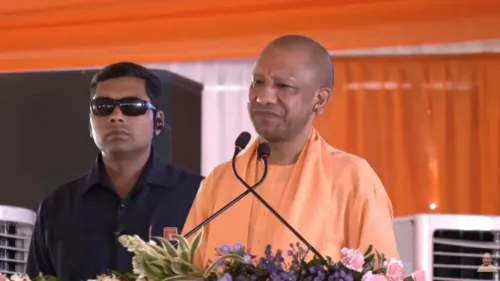
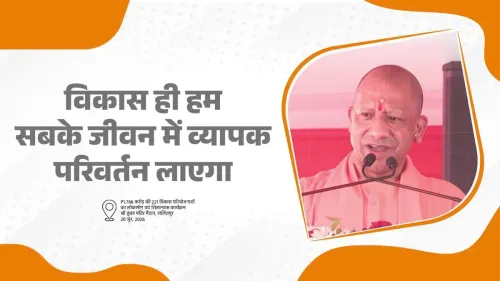
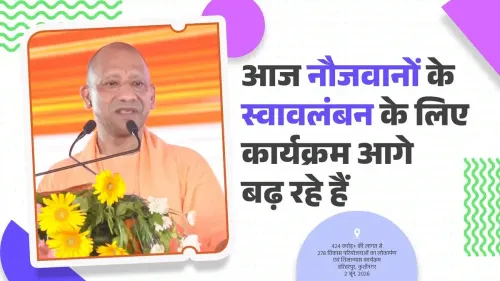
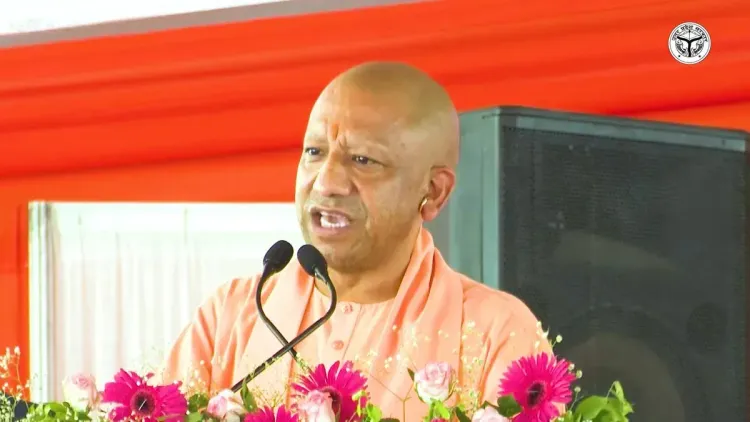
The Chief Minister's Office of Uttar Pradesh, citing Chief Minister Yogi Adityanath, declared on Friday, 26 June 2026, that the state's youth — once compelled to leave their homes in search of livelihood — are now contributing their talent and energy to their own regions and joining the development process with prosperity.
Context
The post quotes CM Yogi Adityanath directly: 'Uttar Pradesh ka naujawan, jo pehle palayan karne ko vivash tha, aaj wahi apni pratibha aur urja ka laabh apne kshetra ko de raha hai tatha khushhaal hokar vikas ki prakriya se jud raha hai.' ('The youth of Uttar Pradesh, who were earlier forced to migrate, are today giving the benefit of their talent and energy to their own region and are joining the development process with happiness and prosperity.')
Uttar Pradesh has historically been one of India's largest sources of out-migration, with millions of young men and women travelling to Delhi, Mumbai, Surat, and other metros for work unavailable in their home districts. Reversing this trend has been a stated political and economic priority for the state government since 2017.
Policy Backdrop
Since CM Yogi Adityanath took office in March 2017, the Uttar Pradesh government has pursued a multi-pronged strategy — investor summits, single-window industrial clearances, and district-level skill-development schemes — aimed at generating employment within the state.
The COVID-19 reverse-migration wave of 2020 became an inflection point: millions of UP workers returned home, and the state government responded with targeted self-employment and skilling programmes to absorb them locally. This policy push aligns with the national Atmanirbhar Bharat ('Self-Reliant India') framework, which encourages states to retain talent and build local production ecosystems.
Successive Uttar Pradesh Global Investors Summits have been positioned as the flagship vehicle for attracting capital and manufacturing units to tier-2 and tier-3 districts, reducing the gravitational pull of distant metros on rural youth.
Stakeholders and Impact
The primary beneficiaries of this shift, if sustained, are rural and semi-urban youth households across Uttar Pradesh's 75 districts. Families that previously depended on remittances from members working outside the state stand to gain from local income sources, reduced social disruption, and stronger community ties.
Local economies in districts that receive returning or retained youth also benefit from increased consumption, entrepreneurship, and participation in government-linked production schemes. The broader implication extends to receiving cities like Delhi and Mumbai, where reduced in-migration pressure could ease strain on urban infrastructure.
What's Next
The next measurable test of this narrative will come with the release of district-level employment and migration data in upcoming Uttar Pradesh state budget documents, and with the outcomes of the next round of the Uttar Pradesh Global Investors Summit. These will indicate whether the policy momentum cited by CM Yogi Adityanath is reflected in verifiable ground-level numbers.
If the state can demonstrate a statistically significant decline in out-migration alongside rising local employment, it would mark a structural shift in one of India's most persistent demographic challenges — and set a template for other high-migration Hindi-heartland states.
Point of View
Where state-level job creation is presented as the antidote to decades of distress migration. The claim carries political weight in a state where out-migration has long been a symbol of government failure, and where rural youth employment remains a vote-determining issue. Whether the rhetoric is matched by verifiable data will determine how durable this narrative proves to be in the lead-up to future electoral cycles.
NationPress
26 Jun 2026
Frequently Asked Questions
Why did youth from Uttar Pradesh migrate to other states?
Historically, Uttar Pradesh lacked sufficient local employment, pushing youth to metros like Delhi , Mumbai , and Surat for work in construction, manufacturing, and services. Limited industrial investment and low agricultural income were the primary drivers.
What has CM Yogi Adityanath done to stop migration from UP?
Since 2017 , CM Yogi Adityanath has pursued investor summits, single-window industrial clearances, and district-level skill and self-employment schemes to generate local jobs and retain youth within the state.
What is the UP Global Investors Summit?
The Uttar Pradesh Global Investors Summit is a flagship event organised by the state government to attract domestic and foreign investment, with a focus on creating manufacturing and service-sector jobs across the state's districts.
How did COVID-19 affect migration from Uttar Pradesh?
The COVID-19 pandemic in 2020 triggered a large-scale reverse migration, with millions of UP workers returning home from cities. The state government responded with targeted skilling and self-employment programmes to absorb them locally.
What is Atmanirbhar Bharat and how does it relate to UP's youth policy?
Atmanirbhar Bharat ('Self-Reliant India') is a national framework encouraging local production and employment. Uttar Pradesh's push to retain youth and build district-level economies aligns directly with this broader national policy direction.