CM Sai's Office Marks 12 Years of Modi's Farm Reforms
Synopsis
The Chhattisgarh Chief Minister's Office has marked 12 years of PM Narendra Modi's agricultural reforms, spotlighting e-NAM, Soil Health Cards, and crop insurance as transformative tools that have strengthened farmer incomes and confidence under the Viksit Bharat vision.
Key Takeaways
The Chhattisgarh CMO credited PM Narendra Modi with overseeing 12 years of transformative farm-sector initiatives since 2014 . e-NAM , launched in April 2016 , created a pan-India digital market integrating physical mandis for better price discovery.
The Soil Health Card scheme, launched in February 2015 , provides farm-level soil nutrient data to guide fertiliser use.
Pradhan Mantri Fasal Bima Yojana , approved in January 2016 , offers subsidised crop insurance with faster claim settlements.
The post frames these schemes as foundational to the Viksit Bharat ('Developed India') development agenda.
The messaging reflects coordinated amplification between the Chhattisgarh state government and central Union ministries.
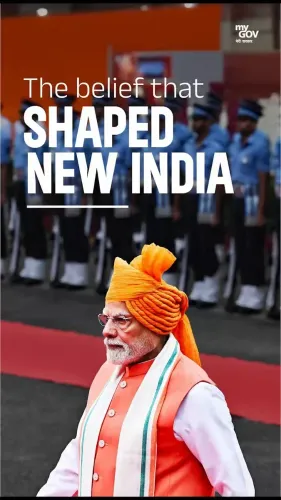
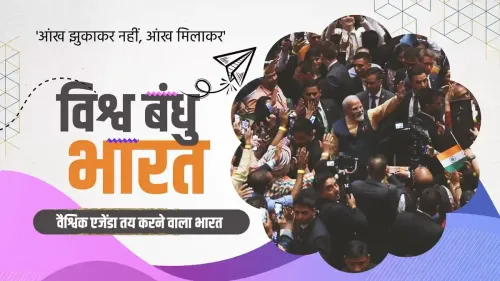
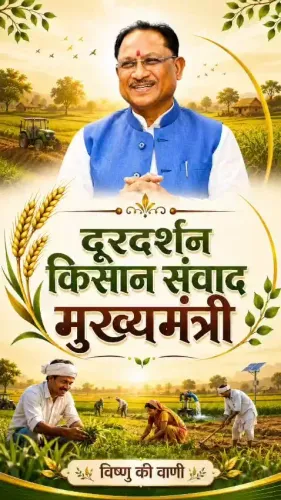
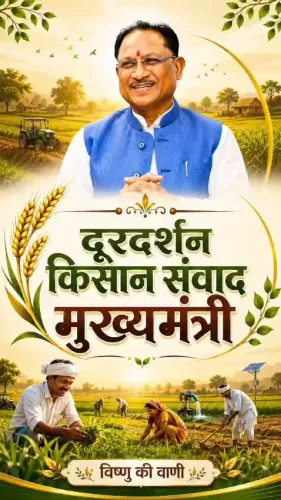
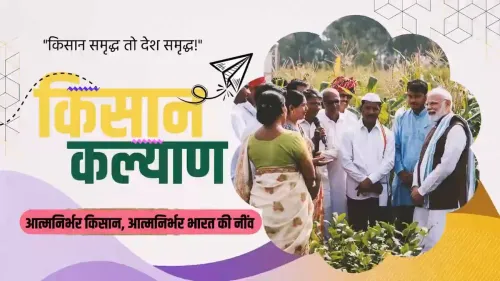
The Chief Minister's Office of Chhattisgarh on Thursday, 11 June 2026, highlighted 12 years of agricultural reforms under Prime Minister Narendra Modi, crediting central schemes with boosting farmer incomes and confidence across India.
Context
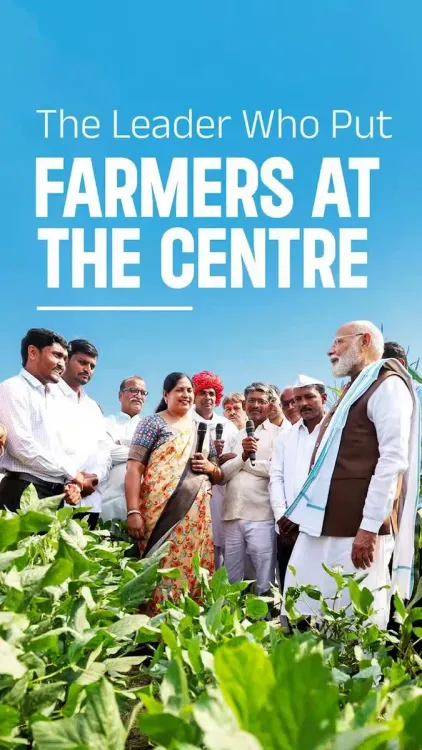
The post, shared under the hashtag #12yearsOfKisanSamriddhi ('12 years of farmer prosperity'), states that over the past 12 years, transformative initiatives have been undertaken in the agriculture sector with farmer welfare at the centre. It specifically names e-NAM, Soil Health Cards, and crop insurance as the pillars of this effort, adding that these schemes have laid 'a strong foundation for a developed India' — Viksit Bharat.
The post tags PMO India and the Ministry of Agriculture, signalling coordinated messaging across Union and state-level accounts on the occasion of the 12-year milestone.
Policy Backdrop
The three schemes cited have distinct launch histories under the current Union government. The Soil Health Card scheme was launched in February 2015 to issue farm-level soil nutrient reports, guiding farmers on balanced fertiliser use to improve yields. e-NAM — the Electronic National Agriculture Market — was rolled out in April 2016 as a pan-India online trading platform integrating physical mandis (wholesale markets) to improve price discovery for farmers.
Pradhan Mantri Fasal Bima Yojana, the central crop insurance framework, was approved in January 2016 with higher coverage ratios and faster claims processing compared to its predecessors. Together, these programmes represent a technology-driven approach to linking soil diagnostics, market access, and income protection under a single policy direction.
Stakeholders and Impact
The primary beneficiaries of these schemes are India's cultivators — a demographic that remains central to electoral and developmental discourse. By reducing information asymmetry through digital market platforms and soil data, and by cushioning income shocks through subsidised insurance, the Union government has sought to modernise what has historically been a fragmented and risk-prone sector.
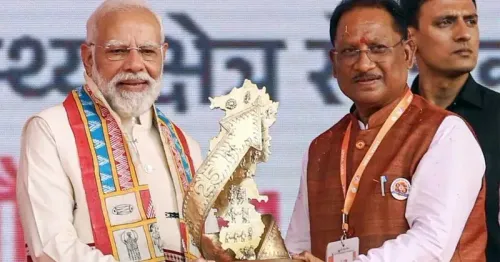
Chhattisgarh, where Chief Minister Vishnu Deo Sai heads the government, has a significant agrarian population and has been a key implementing state for central farm schemes. The CMO's amplification of this messaging underscores alignment between the state administration and the national policy agenda.
What's Next
Annual Union Budget allocations for agriculture and periodic evaluation reports on scheme coverage and farmer income trends from the Ministry of Agriculture will be key indicators of whether the momentum highlighted in this post translates into measurable outcomes. Stakeholders and policy observers will watch for updated data on e-NAM transaction volumes, Soil Health Card distribution targets, and Fasal Bima claim settlement rates in the coming months.
The broader Viksit Bharat ('Developed India') framing suggests these agricultural milestones will continue to be positioned as foundational to the government's long-term development narrative ahead of future policy cycles.
Point of View
Reinforcing a unified political narrative around the 12-year tenure. The deliberate grouping of e-NAM, Soil Health Cards, and Fasal Bima under a single anniversary frame is a communications strategy that presents disparate policy interventions as a coherent, farmer-first programme. Anchoring this in the Viksit Bharat vocabulary connects agrarian policy to the government's overarching long-term development brand. Analysts will note that the absence of outcome data — such as farmer income growth figures or scheme penetration rates — keeps the messaging aspirational rather than evaluative.
NationPress
28 Jul 2026
Frequently Asked Questions
What is the #12yearsOfKisanSamriddhi hashtag about?
The hashtag marks 12 years of agricultural welfare schemes under PM Narendra Modi's government since 2014, highlighting programmes like e-NAM, Soil Health Cards, and crop insurance as key achievements.
What is e-NAM and how does it help farmers?
e-NAM, or the Electronic National Agriculture Market, is a pan-India online trading platform launched in April 2016 that connects physical wholesale markets digitally, helping farmers get better prices for their produce through improved price discovery.
What is the Soil Health Card scheme?
The Soil Health Card scheme, launched in February 2015, provides farmers with a report on their soil's nutrient status, helping them apply the right fertilisers in the right quantities to improve crop yields and reduce input costs.
What is Pradhan Mantri Fasal Bima Yojana?
Pradhan Mantri Fasal Bima Yojana is a central crop insurance programme approved in January 2016 that offers farmers subsidised premiums and compensation for crop losses caused by natural calamities, with a focus on faster claim settlements.
Why did the Chhattisgarh CMO post about central farm schemes?
The Chhattisgarh Chief Minister's Office, headed by CM Vishnu Deo Sai, shared the post as part of coordinated messaging marking the 12-year milestone of PM Modi's agricultural reforms, aligning the state government's communication with the national policy narrative.