Uttarakhand CMO: 44% reverse migration rise in border villages
Synopsis
The Uttarakhand CMO quoted CM Pushkar Singh Dhami as saying the Vibrant Village Programme is developing border hamlets, with reverse migration up 44 percent. The central scheme, announced in the 2022-23 Union Budget, targets northern border villages. Hill governments have long treated return migration as a key metric.
Key Takeaways
The Chief Minister's Office of Uttarakhand on 26 November 2026 quoted CM Pushkar Singh Dhami on the Vibrant Village Programme.
Dhami was quoted as saying border villages are being developed under Prime Minister Narendra Modi 's leadership.
The same statement claimed a 44 percent increase in reverse migration, without a district or time-period breakdown.
The Vibrant Village Programme was announced in the Union Budget for 2022-23 for villages along India's northern borders.
Dhami has been Chief Minister of Uttarakhand since 2021 , with rural development and migration reversal as recurring themes.
Hill administrations have repeatedly treated reverse-migration trends as a key outcome metric in remote districts.
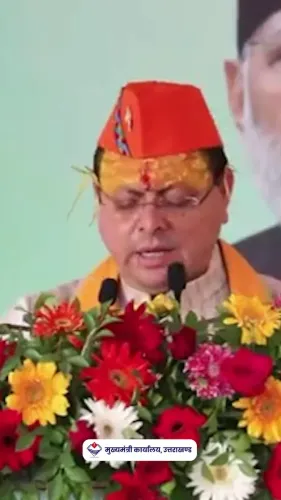
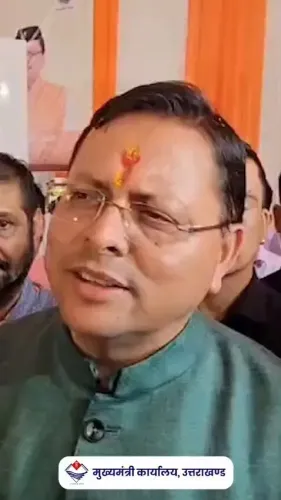
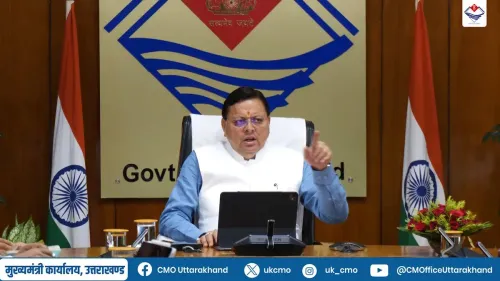
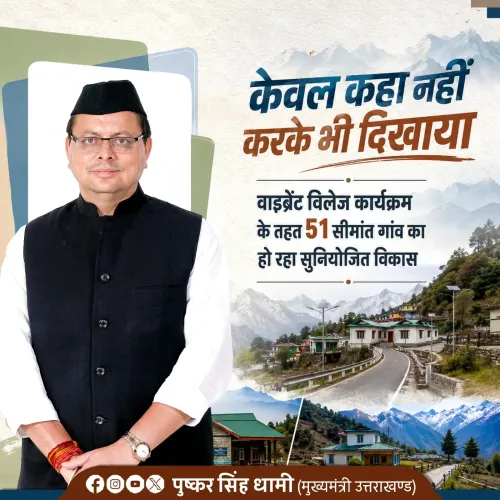
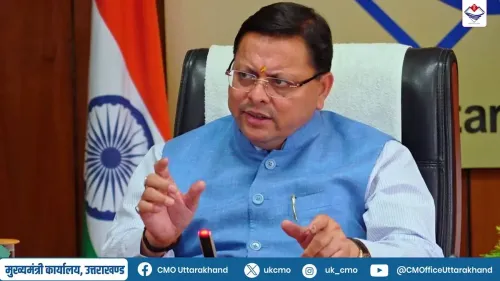
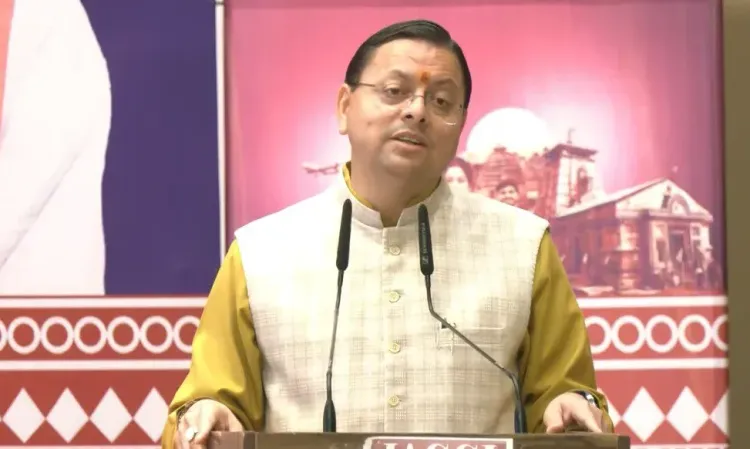
The Chief Minister's Office of Uttarakhand on Thursday, 26 November 2026 put a number on a Himalayan worry that has emptied hamlets for decades. Quoting Chief Minister Pushkar Singh Dhami, it said the Centre's Vibrant Village Programme is recasting the state's border villages — and that reverse migration has risen by 44 percent.
The office attributed the remark to Dhami in full. Under the leadership of Prime Minister Narendra Modi, it said, seemant gaon (border villages) in the state are being developed under the programme. The quoted line was blunt: 'A 44 percent increase in reverse migration has been recorded.'
That pairing — a central border scheme and a migration statistic — is the story Dehradun put on the table. Uttarakhand's high ridges have long sent their young to the plains. A claimed return flow is political gold, if the numbers hold.
The 2022 Budget scheme on the northern rim
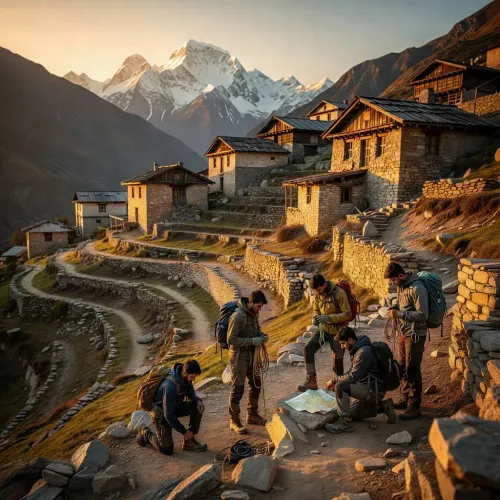
The Vibrant Village Programme was announced in the Union Budget for 2022-23 as a comprehensive push for villages along India's northern borders. The design was blunt: improve infrastructure and livelihoods in places that sit on the map's edge, so that living there is not a sentence of isolation.
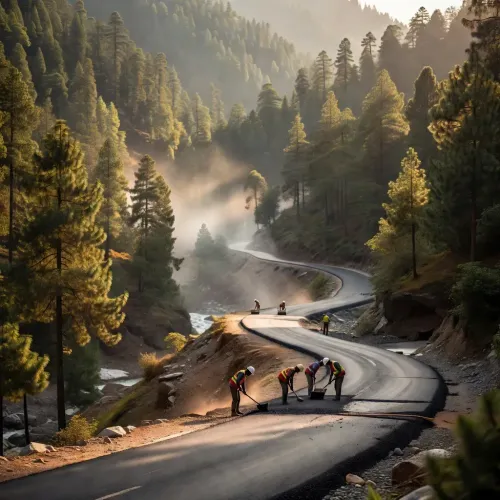
Roads, connectivity and local amenities were the promised tools. The intended beneficiaries were border villagers and hill communities who have watched schools thin out and shops shut as families left.
Chief Minister Dhami, in office since 2021, has made rural development and migration reversal a recurring theme of state outreach. Thursday's post folds that theme into a national scheme and a national leader.
A 44 percent claim, without a district map
The CMO message does not say over which period the 44 percent rise was measured, nor which districts drove it. It presents the figure as a recorded increase while border villages are being spruced up under the programme.
For families in remote hamlets, the test is not a press line. It is whether a winter road stays open, whether a livelihood exists that does not require a one-way ticket to the plains, whether a school still has children in it.
Why reverse migration is Uttarakhand's scoreboard
State governments in Uttarakhand have repeatedly cited reverse-migration trends as a key outcome metric in hill districts. That is the broader pattern Thursday's post fits: central-state coordination on infrastructure and livelihoods, scored against the question of whether people come back.
What to watch next is unglamorous and decisive — updated official migration data, and progress reports on village infrastructure under the scheme. Border villages will not be judged by a single percentage. They will be judged by whether people stay, and whether they have a reason to.
Point of View
The Dhami government is placing a central scheme at the centre of its hill-development story. The 44 percent figure, stated without a public data annex in the post, will invite a demand for district-level numbers. How New Delhi and Dehradun report village-level works in the coming months will decide whether this remains a political claim or becomes an audited trend.
NationPress
26 Nov 2026
Frequently Asked Questions
What did the Uttarakhand CMO say about reverse migration?
It quoted Chief Minister Pushkar Singh Dhami as saying a 44 percent increase in reverse migration has been recorded. The remark was linked to work in border villages under the Vibrant Village Programme.
What is the Vibrant Village Programme?
It is a central scheme announced in the Union Budget for 2022-23 for comprehensive development of villages along India's northern borders. The aim is to improve infrastructure and livelihoods in remote border hamlets.
Who is Pushkar Singh Dhami?
Pushkar Singh Dhami has been Chief Minister of Uttarakhand since 2021. His office posted the Vibrant Village and reverse-migration remarks on 26 November 2026.
Which areas of Uttarakhand does the post refer to?
The post refers to border villages in the state, described as being developed under the Vibrant Village Programme. It does not name individual districts or villages.
Why does reverse migration matter in Uttarakhand?
Hill districts have long seen out-migration to the plains and cities, thinning schools and local economies. Successive state governments have treated a return flow of residents as a core test of rural and border development.