MPSC computer-based exams deferred to August 2027, says CM Fadnavis
Synopsis
Maharashtra's MPSC computer-based exam rollout has been pushed to August 2027 — a 13-month delay secured by sustained student protests over rural infrastructure gaps and normalisation concerns. CM Fadnavis has drawn a clear line: modernisation yes, but not at the cost of aspirant readiness.
Key Takeaways
CM Devendra Fadnavis announced on 16 July 2026 that MPSC's proposed Computer-Based Test (CBT) format is deferred to August 2027 .
All MPSC exams will continue in the offline pen-and-paper format until then.
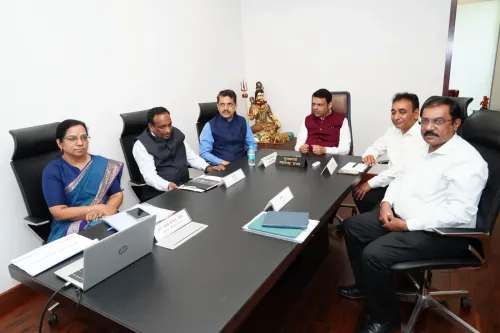
The decision was taken at a Mantralaya meeting attended by MPSC Chairman Vivek Bhimanwar and the State Chief Secretary .
The deferral follows widespread protests by student organisations in cities including Pune and Chhatrapati Sambhaji Nagar .
Key concerns raised: lack of rural digital exam centres, unfamiliarity with computer testing among OMR-trained aspirants, and fears over server glitches and normalisation complexity.
The MPSC has been directed to build district-level digital infrastructure and institutional readiness within the 13-month window.
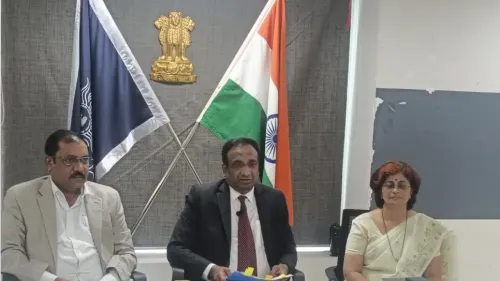
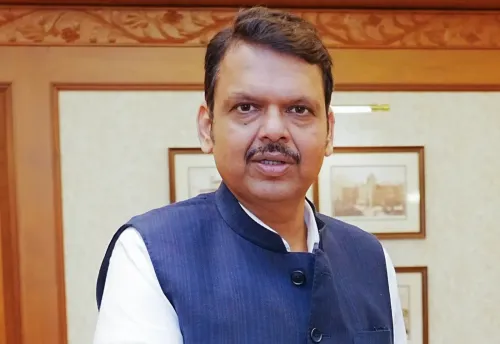
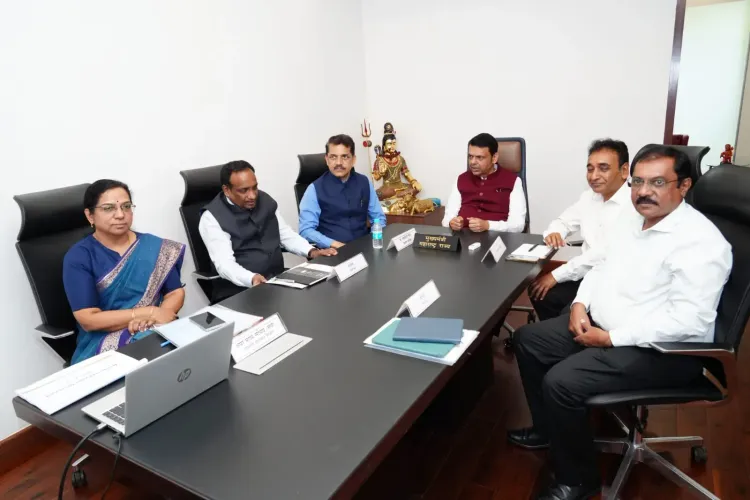
Maharashtra Chief Minister Devendra Fadnavis on Thursday, 16 July 2026, announced that the proposed Computer-Based Test (CBT) format for the Maharashtra Public Service Commission (MPSC) will not be rolled out immediately, with the transition deferred to August 2027. The decision, taken at a high-level review meeting at Mantralaya, Mumbai, follows sustained protests by student organisations across the state.
What Was Decided
Until August 2027, all MPSC examinations will continue in the traditional offline pen-and-paper format. The deferral effectively grants a 13-month runway for the Commission to build robust digital infrastructure across all districts of Maharashtra and for aspirants to prepare for the shift.
The review meeting was attended by MPSC Chairman Vivek Bhimanwar, the State Chief Secretary, and senior officials from the General Administration Department (GAD).
What CM Fadnavis Said
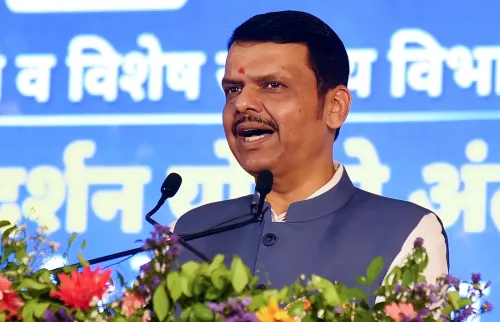
Chief Minister Fadnavis underscored that modernisation remains necessary to curb malpractices and ensure faster declaration of results, but stressed that the transition must be orderly. 'A secure, transparent selection process has always been my firm insistence. In line with that, the examination system must be transparent, conducted on time, and results must be declared promptly,' he said. 'However, while undertaking these reforms, moving from one system to another must be smooth. Every system needs sufficient time for readiness,' he added.
Fadnavis also praised the MPSC for its recent progressive initiatives and directed the Commission to take further institutional decisions in line with these guidelines.
Background: Why Students Protested
In late June 2026, the MPSC had announced a sweeping overhaul of its examination structure, declaring plans to shift preliminary exams — beginning with the Group C Services Joint Preliminary Exam — to a computer-based digital format. The stated objectives were to eliminate paper leaks, improve transparency, and introduce a normalisation process enabling multiple exam windows per year.
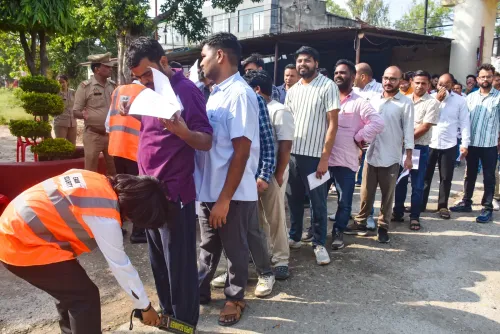
The announcement triggered widespread anxiety among aspirants, particularly in hubs such as Pune and Chhatrapati Sambhaji Nagar. Student representatives raised several concerns: a deficit of standardised digital exam centres in rural areas, forcing candidates to travel to cities; the fact that a large proportion of aspirants from economically weaker sections are trained exclusively in the OMR sheet format; and apprehensions about server glitches, technical bugs, and the complexity of the proposed normalisation marking system.
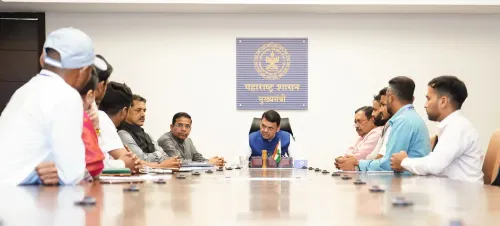
Following aggressive representations from student unions and meetings with state leaders, the government intervened to prevent administrative disruption and protect candidate interests.
What Happens Next
The MPSC has been instructed to use the intervening period to build glitch-free digital infrastructure across Maharashtra's districts and to prepare candidates for the eventual shift. Industry observers note that the 13-month window will be critical — if the Commission fails to address rural infrastructure gaps and build aspirant confidence in the new format, the 2027 rollout could face renewed resistance. All eyes will now be on the MPSC's institutional roadmap and whether it publishes a transparent transition plan before the deadline.
Point of View
But it only delays the hard questions. Maharashtra's rural digital infrastructure deficit is not a problem that resolves itself in 13 months without a concrete, funded rollout plan — and the MPSC has yet to publish one. The normalisation formula, which triggered much of the student anxiety, also remains unexplained in accessible terms. If the Commission uses this window merely to wait rather than to build and communicate, August 2027 will see the same protests with a shorter fuse. The government's intervention is welcome; the follow-through is what will determine whether this is a genuine reform or a postponement dressed as one.
NationPress
16 Jul 2026
Frequently Asked Questions
Why has the MPSC computer-based exam been postponed?
The MPSC's proposed Computer-Based Test (CBT) format has been deferred to August 2027 following sustained protests by student organisations over inadequate rural digital infrastructure, lack of familiarity with computer-based testing among OMR-trained aspirants, and concerns about server reliability and the normalisation marking system. Chief Minister Devendra Fadnavis announced the deferral on 16 July 2026 after a high-level review meeting at Mantralaya.
When will MPSC exams go online?
MPSC exams are now scheduled to transition to the Computer-Based Test (CBT) format from August 2027. Until then, all examinations will continue in the traditional offline pen-and-paper format.
Which MPSC exam was first in line for the CBT format?
The MPSC had announced in late June 2026 that the Group C Services Joint Preliminary Exam would be the first to shift to the computer-based format. That transition has now been deferred to August 2027 along with all other CBT plans.
What concerns did students raise about the MPSC CBT format?
Student organisations flagged three main issues: a shortage of standardised digital exam centres in rural Maharashtra forcing aspirants to travel to cities; the fact that most candidates from economically weaker or rural backgrounds are trained only in the OMR sheet format; and fears about server glitches, technical bugs, and the complexity of the proposed normalisation marking system.
What has CM Fadnavis directed the MPSC to do now?
Chief Minister Devendra Fadnavis has instructed the MPSC to use the 13-month window to build robust, glitch-free digital infrastructure across all districts of Maharashtra and to take further institutional decisions based on the government's guidelines, ensuring a smooth eventual transition to the CBT format.