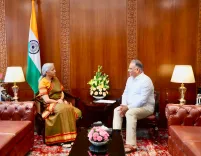
CM Fadnavis Marks Farmer Power Bill Waiver and India-UK Trade Deal
Synopsis
Maharashtra CM Devendra Fadnavis on July 16, 2026 shared video highlights of a landmark July 15 that combined a historic electricity bill waiver for farmers with a new chapter in India-UK trade ties under the CETA framework, projecting a dual agenda of rural relief and global economic integration.
Key Takeaways
Maharashtra CM Devendra Fadnavis publicly marked July 15, 2026 as a historic day for the state's farming community and bilateral trade.
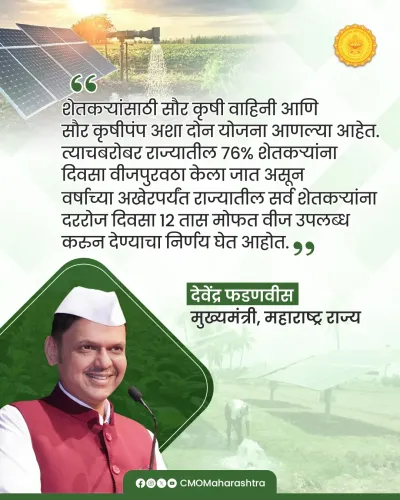
The state announced a historic electricity bill waiver for farmers, addressing long-standing agrarian distress over accumulated power dues.
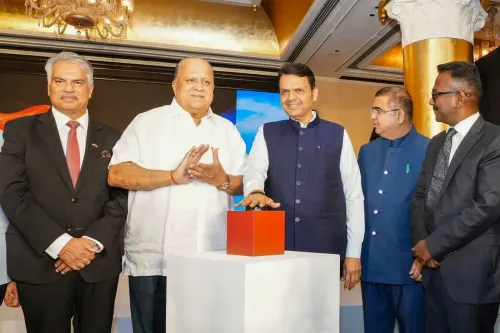
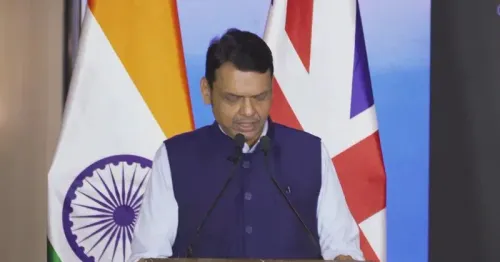
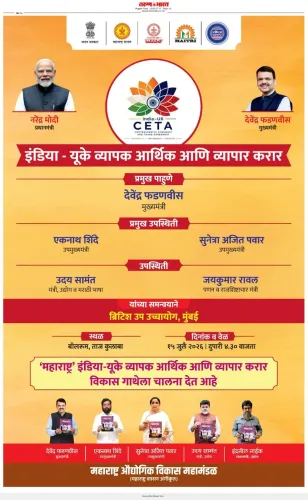
The day also saw a significant development in India–UK Comprehensive Economic and Trade Agreement (CETA) negotiations, described as a 'new direction' for bilateral commerce.
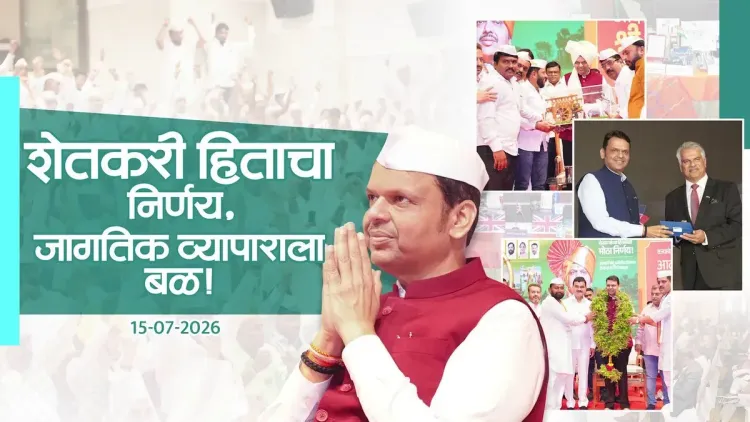
Fadnavis shared the announcement bilingually — in English and Marathi — along with five video clips from the day's events in Mumbai .
The waiver is expected to benefit farmers across rain-shadow regions including Vidarbha , Marathwada , and western Maharashtra who rely on electric pump sets for irrigation.
The dual announcement reflects the BJP-led Maharashtra government's strategy of combining rural welfare with economic modernisation.
Maharashtra Chief Minister Devendra Fadnavis on Thursday, July 16, 2026, shared highlights from what he described as a landmark day — one that saw a historic electricity bill waiver for farmers in Maharashtra and a significant step forward in India–UK trade relations, coinciding with the finalisation of the India–UK Comprehensive Economic and Trade Agreement (CETA).
Context
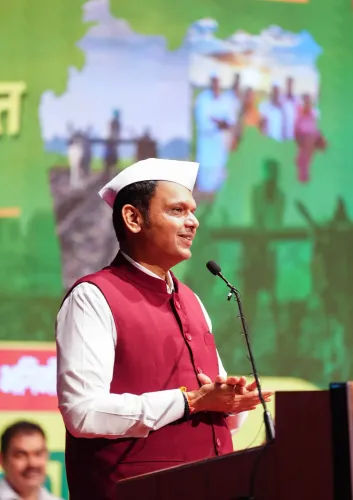
Fadnavis posted a bilingual message — in English and Marathi — calling July 15, 2026 a day of two defining milestones: a waiver of electricity bills for the farming community and a new direction for bilateral commerce between India and the United Kingdom. The post, shared from his official handle, was accompanied by five video clips capturing moments from the day's events in Mumbai. In Marathi, he wrote: 'शेतकऱ्यांसाठी ऐतिहासिक वीजबिल माफी आणि भारत–यूके व्यापार संबंधांना नवी दिशा देणाऱ्या दिवसातील काही खास क्षण' ['Some special moments from a day that gave a historic electricity bill waiver to farmers and a new direction to India–UK trade relations'].
Policy Backdrop
Electricity bill relief for farmers has long been a politically significant issue in Maharashtra, where agrarian distress — driven by irregular monsoons, rising input costs, and mounting debt — has shaped state policy for over a decade. A formal waiver of accumulated power dues addresses one of the most persistent grievances of the farm sector, which depends heavily on pump sets for irrigation. The timing of such an announcement, tied to the India–UK CETA, signals an attempt by the Fadnavis government to project a dual agenda: rural welfare alongside global economic integration. The India–UK CETA has been a long-negotiated framework aimed at reducing tariffs, expanding market access for goods and services, and deepening investment ties between the two nations.
Stakeholders and Impact
Maharashtra's farming community — one of the largest in the country — stands as the most immediate beneficiary of the electricity bill waiver. The state has a significant concentration of farmers dependent on electric pump sets, particularly in rain-shadow regions of Vidarbha, Marathwada, and parts of western Maharashtra, where power bills accumulate rapidly during dry spells. On the trade front, Maharashtra, as India's largest commercial and industrial state with Mumbai as its financial capital, is positioned to gain substantially from enhanced India–UK economic ties, particularly in financial services, pharmaceuticals, and information technology sectors.
What's Next
The formal rollout of the electricity bill waiver scheme — including its eligibility criteria, coverage limits, and implementation timeline — will be closely watched by farmer organisations and opposition parties alike. On the trade front, the operationalisation of the India–UK CETA framework will require legislative and regulatory steps on both sides before businesses can fully benefit. Chief Minister Fadnavis's decision to publicly link these two events underscores the BJP-led Maharashtra government's intent to frame its political identity around both agricultural relief and economic modernisation ahead of future electoral cycles.
Point of View
Fadnavis is crafting a deliberate political narrative that positions the Maharashtra government as simultaneously pro-farmer and pro-growth — a balancing act that has historically been difficult for ruling parties in agrarian states. The bilingual post, with prominent Marathi phrasing, signals a conscious outreach to rural Maharashtra, where electricity dues have been a source of deep resentment. Tying this domestic relief to a landmark trade agreement also allows the BJP to frame Maharashtra as a key beneficiary of India's expanding global economic footprint. Ahead of future electoral cycles, this dual messaging could prove to be a significant political asset.
NationPress
16 Jul 2026
Frequently Asked Questions
What is the Maharashtra farmer electricity bill waiver announced in July 2026?
The Maharashtra government, led by Chief Minister Devendra Fadnavis, announced a historic waiver of electricity bills for farmers on July 15, 2026, aimed at relieving agrarian distress caused by accumulated power dues, particularly among farmers dependent on electric pump sets for irrigation.
What is the India-UK CETA and how does it affect Maharashtra?
The India-UK Comprehensive Economic and Trade Agreement (CETA) is a bilateral trade framework aimed at reducing tariffs and expanding market access between India and the United Kingdom. Maharashtra, as India's largest commercial state, stands to benefit significantly in sectors such as financial services, pharmaceuticals, and IT.
What did CM Devendra Fadnavis post on July 16, 2026?
CM Fadnavis shared a bilingual post in English and Marathi on July 16, 2026, recapping key moments from July 15 — a day he described as historic for its farmer electricity bill waiver and a new chapter in India-UK trade relations, accompanied by five video clips.
Which farmers in Maharashtra benefit from the electricity bill waiver?
The waiver is expected to benefit farmers across Maharashtra, with particular significance for those in rain-shadow regions such as Vidarbha, Marathwada, and parts of western Maharashtra, where electricity bills for irrigation pump sets tend to accumulate rapidly during dry periods.
How does the India-UK trade deal connect to Maharashtra?
Mumbai, Maharashtra's capital, is India's financial hub, and the state hosts major pharmaceutical and IT industries. Progress on the India-UK CETA is expected to open new avenues for Maharashtra-based businesses in the UK market across multiple high-value sectors.