Congress flags 12 NEET-linked student suicides, demands paper leak crackdown
Synopsis
Congress has put a number to NEET’s human cost — 12 student suicides, it claims, linked directly to exam pressure. Backed by NCRB data showing 63,915 minor suicides in five years and a Gujarat-specific spike to 568 cases in 2024–25, the party is demanding more than reform: it wants accountability for what it calls a paper leak mafia operating in plain sight.
Key Takeaways
Congress claimed at least 12 students died by suicide linked to NEET pressure, alleging systemic failure in India’s examination ecosystem.
Spokesperson Dr Manish Doshi cited NCRB data showing 63,915 minors died by suicide across India between 2019 and 2024 , averaging 35–40 deaths per day .
In Gujarat , 1,063 children and adolescents reportedly died by suicide over four years, with cases surging to 568 in 2024–25 .
Congress demanded action against paper leak syndicates and coaching centre operators, and called for policy reforms to reduce academic pressure.
The remarks came a day after the NTA concluded the NEET-UG re-examination across 5,400+ centres in 551 cities and 14 international locations , with the agency reporting no fresh paper leak complaints.
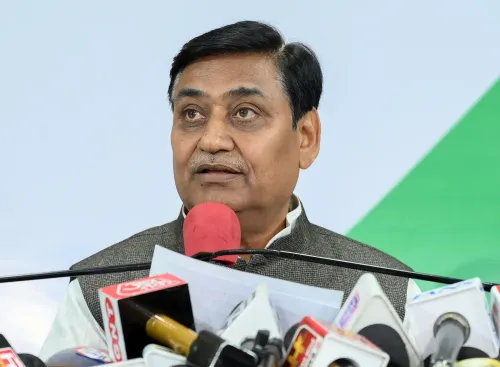
Congress on Monday, 22 June claimed that at least 12 students died by suicide amid pressure linked to the National Eligibility-cum-Entrance Test (NEET), demanding sweeping reforms to India's examination system and urgent action against paper leak networks. The allegations were made at a press conference in Ahmedabad, a day after the National Testing Agency (NTA) concluded the NEET-UG re-examination under heightened security across the country.
What Congress Said
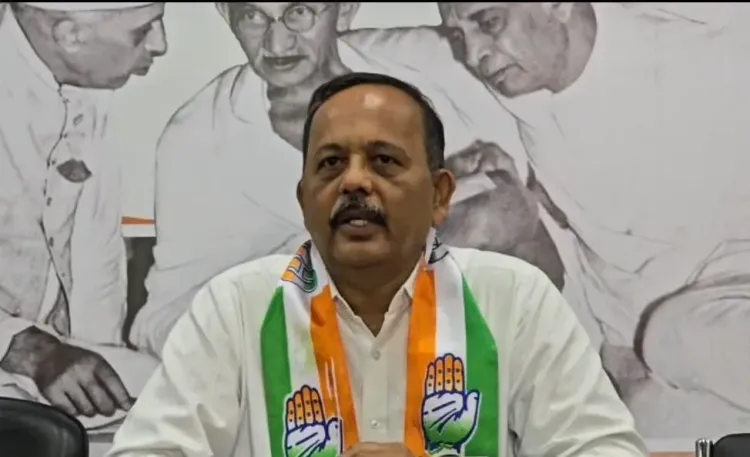
Congress spokesperson Dr Manish Doshi said the deaths underscored what he described as the growing burden of competitive examinations on young people and their families. “Recently, we witnessed around 12 students taking the extreme step due to frustration and despair associated with NEET. This is a matter of concern and pain for all of us. It is not only the loss of a child but also the shattering of a family’s dreams,” Doshi said.
He attributed the crisis to sustained examination pressure, rising competition, the commercialisation of education, and unchecked anxiety over academic performance. He also alleged that successive governments had failed to create a supportive educational environment and had not acted effectively against paper leak syndicates.
NCRB Data and Gujarat Figures
Doshi cited figures from the National Crime Records Bureau (NCRB), claiming that 63,915 children and adolescents below the age of 18 died by suicide across India between 2019 and 2024. According to the data he referenced, between 35 and 40 adolescents die by suicide on average every day in the country, with cases involving minors rising by nearly 16 per cent during the same period.
For Gujarat specifically, Doshi said 1,063 children and adolescents had died by suicide over the past four years. He presented a year-wise breakdown: 151 cases in 2020–21, 161 in 2021–22, 183 in 2023–24, and 568 in 2024–25. “These are not merely statistics. Behind every number is a grieving family, a broken dream and an unfinished future,” he said.
Demands and Political Accountability
The Congress demanded policy changes aimed at reducing academic pressure and called for action against coaching centre operators and paper leak mafias. Doshi questioned who should be held accountable for what he described as “open exploitation” in the name of education, and alleged that the Bharatiya Janata Party (BJP) government’s education model had failed to address the challenges faced by young people.
“Students work day and night, families spend lakhs of rupees on education, and yet the system betrays their trust. The government must take concrete steps to improve the academic environment and reduce the burden on students,” Doshi said.
The NEET Re-Examination Context
The Congress remarks came one day after the NTA concluded the NEET-UG re-examination, held following allegations of a question paper leak in the original test. More than 22 lakh candidates were eligible to appear at over 5,400 examination centres across 551 Indian cities and 14 international locations. The re-test was conducted with biometric verification, CCTV surveillance, AI-assisted monitoring, and extensive police deployment.
The NTA stated that the re-examination was conducted smoothly and that no complaints relating to paper leaks had been received during the re-test. The Congress’s press conference, however, signals that political scrutiny over NEET administration and student welfare is far from over.
What Comes Next
With NEET results and the broader debate over examination reform likely to dominate the coming weeks, pressure is mounting on both the Centre and state governments to address mental health support infrastructure for students and to demonstrate credible action against those responsible for examination irregularities. Calls for an independent review of the NEET framework are expected to grow louder across political and civil society circles.
Point of View
When public attention is already fixed on the NTA’s credibility. But the party’s demands, while politically pointed, expose a real governance gap: India has no centralised mechanism to track exam-stress suicides separately from broader adolescent mental health data, which makes attribution claims like ‘12 NEET-linked deaths’ difficult to verify independently. The Gujarat numbers — a near-fourfold jump to 568 cases in 2024–25 — warrant scrutiny on their own terms, regardless of political framing. The deeper accountability question is not just about paper leak mafias, but about a coaching-industrial complex that successive governments, including Congress-ruled states, have allowed to expand unchecked.
NationPress
21 Sept 2026
Frequently Asked Questions
What did Congress claim about NEET-linked student suicides?
Congress claimed that at least 12 students died by suicide due to pressure and despair linked to the NEET examination. The claim was made by Congress spokesperson Dr Manish Doshi at a press conference in Ahmedabad on 22 June, alongside a broader set of demands for examination reform and action against paper leak networks.
What does the NCRB data cited by Congress show?
According to figures cited by Dr Manish Doshi, the National Crime Records Bureau (NCRB) recorded 63,915 suicides among children and adolescents below the age of 18 across India between 2019 and 2024. He said this translates to an average of 35 to 40 adolescent suicides per day, with cases rising by nearly 16 per cent during the period.
What are the Gujarat-specific student suicide figures Congress presented?
Congress said 1,063 children and adolescents died by suicide in Gujarat over four years. The year-wise breakdown cited was 151 cases in 2020–21, 161 in 2021–22, 183 in 2023–24, and 568 in 2024–25 — a sharp rise in the most recent year.
Why was the NEET-UG re-examination held?
The National Testing Agency (NTA) conducted a NEET-UG re-examination following allegations of a question paper leak in the original test. More than 22 lakh candidates were eligible to appear across 5,400-plus centres in 551 Indian cities and 14 international locations, with biometric verification and AI-assisted monitoring in place. The NTA reported no fresh paper leak complaints during the re-test.
What reforms has Congress demanded in connection with NEET?
Congress has called for policy changes to reduce academic pressure on students, action against coaching centre operators, and a crackdown on paper leak syndicates. The party has also alleged that the BJP government’s education model has failed young people and demanded accountability for what it described as open exploitation in the name of education.