Is Congress Right to Recall Disruption of PM Singh's Reply in LS?
Synopsis
In a dramatic throwback, Congress highlights historical disruptions faced by PM Singh in Lok Sabha, drawing parallels to the current unrest. Jairam Ramesh underscores the ongoing political turmoil while connecting past events to today's circumstances. How does this affect the current political landscape? Read on to find out more!
Key Takeaways
Current Lok Sabha disruptions echo past events.
Congress highlights historical parallels for political leverage.
Opposition protests impact parliamentary proceedings.
Archival footage serves as a powerful reminder of political challenges.
Call for adherence to parliamentary rules amidst chaos.
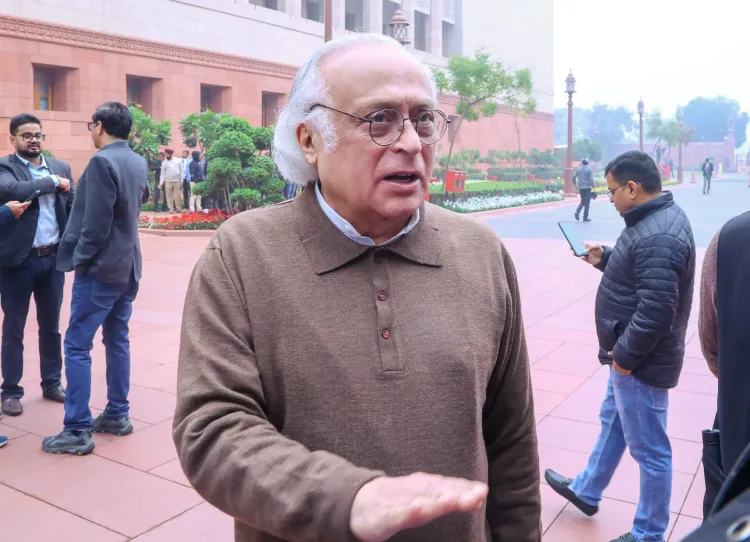
New Delhi, Feb 5 (NationPress) Maintaining its confrontational stance in the Lok Sabha, the Congress asserted on Thursday that it was not unusual for the Leader of the House to be obstructed from addressing the Motion of Thanks due to protesting Opposition members.
Jairam Ramesh, Congress MP and party General Secretary overseeing communications, posted archival video footage of Lok Sabha sessions where the then Prime Minister Dr. Manmohan Singh disclosed that he was barred from responding to the Motion of Thanks on June 10, 2004.
Ramesh stated on social media, “This video captures Dr. Manmohan Singh’s address on March 10, 2005, where he mentions being prevented from responding to the Motion of Thanks on June 10, 2004.”
“To remind everyone - on June 10, 2004, the Prime Minister was obstructed by the BJP from delivering his speech regarding the Motion of Thanks to the President’s Address,” remarked Congress leader Ramesh, drawing parallels to the current impasse in the Lok Sabha.
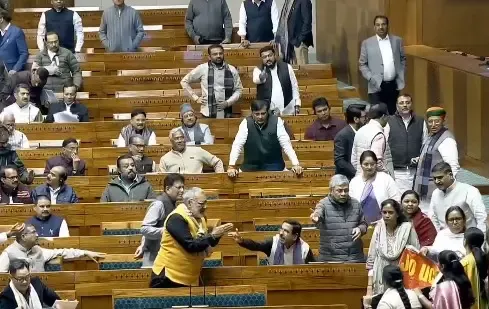
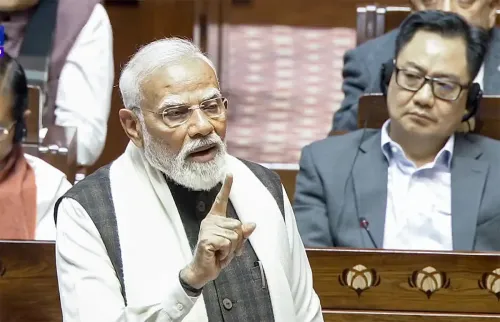
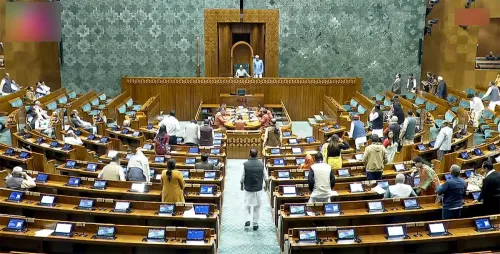
This statement was made on a day when the Lok Sabha approved the Motion of Thanks on the President's Address without a formal response from Prime Minister Narendra Modi, amidst ongoing chants from Opposition MPs.
Earlier on Wednesday, Prime Minister Modi's scheduled address in Parliament at 5 p.m. was postponed due to the Lok Sabha being adjourned until Thursday morning, following persistent uproar and loud protesting from the Opposition members.
In the last two days, Opposition members have repeatedly clashed with the Treasury Benches regarding the denial of Lok Sabha Leader of Opposition (LoP) Rahul Gandhi’s speech, referencing excerpts from an article based on unpublished memoirs of former Army Chief General M.M. Naravane.
The LoP had previously asserted that the book included references to Prime Minister Narendra Modi and Defence Minister Rajnath Singh.
This led to vigorous protests from the Treasury Benches, with members insisting that LoP Gandhi comply with parliamentary regulations and only present “credible sources” within the House.
Point of View
The ongoing disruptions in the Lok Sabha bring to light the recurring theme of political dissent. As we reflect on past events, it's clear that history often repeats itself, and the call for order within our democratic institutions is more crucial than ever. The Congress party's assertion regarding the past disruption serves as a reminder of the challenges faced by parliamentary leaders in maintaining a dialogue amidst opposition.
NationPress
25 Aug 2026
Frequently Asked Questions
What sparked the recent disruptions in Lok Sabha?
The disruptions were primarily due to the Opposition members protesting and demanding a response from PM Modi, reminiscent of a past incident involving PM Manmohan Singh.
Who shared the archival footage of PM Singh?
Congress MP Jairam Ramesh shared the archival footage to draw parallels between past and present disruptions in the Lok Sabha.
What was the Congress party's stance during the disruptions?
The Congress party claimed that the obstruction faced by the Leader of the House is not unprecedented and highlighted historical instances to support their argument.
How did the government respond to the protests?
The government maintained its position despite the protests, and the Lok Sabha passed the Motion of Thanks without a formal reply from PM Modi.
What historical event did Congress refer to?
Congress referred to the incident on June 10, 2004, when PM Manmohan Singh was prevented from addressing the Motion of Thanks.