CPI-M Politburo rules out Kerala leadership change, orders organisational overhaul
Synopsis
The CPI-M Politburo has shielded Pinarayi Vijayan and M.V. Govindan from immediate removal despite a crushing Kerala election defeat — but the reprieve comes with conditions. The party's central leadership has rejected the Kerala unit's own self-assessment draft and ordered a sweeping organisational overhaul, with the real reckoning deferred to the Central Committee meeting on 11 July.
Key Takeaways
The CPI-M Politburo ruled out any immediate leadership change in Kerala at its meeting in New Delhi on 27 June .
Former Chief Minister Pinarayi Vijayan and State secretary M.V.
Govindan have been given a reprieve, with no leadership change on the table for now.
The Politburo cited flawed candidate selection, grassroots disconnect, and failure to read anti-incumbency as the primary causes of the electoral defeat.
The Kerala unit's draft rectification report was not accepted in its original form; a revised document will be debated at the Central Committee meeting beginning 11 July .
Controversies over cooperative banks and administrative lapses were flagged as having damaged the party's credibility.
The state unit has been directed to revive grassroots activity and function as a constructive Opposition.
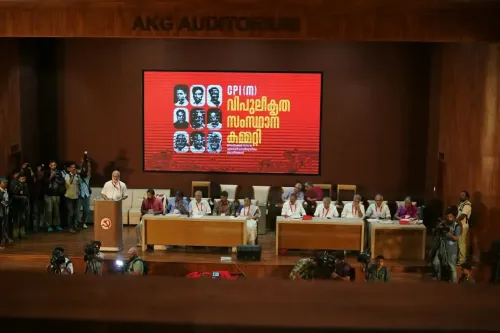
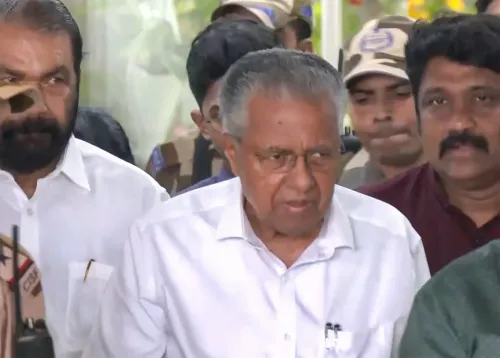
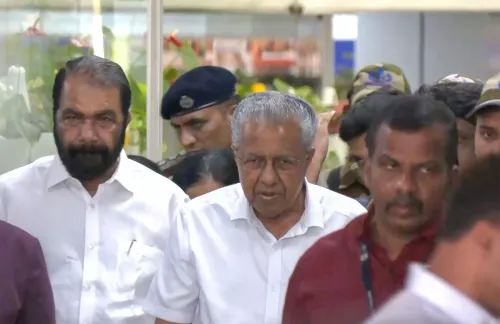
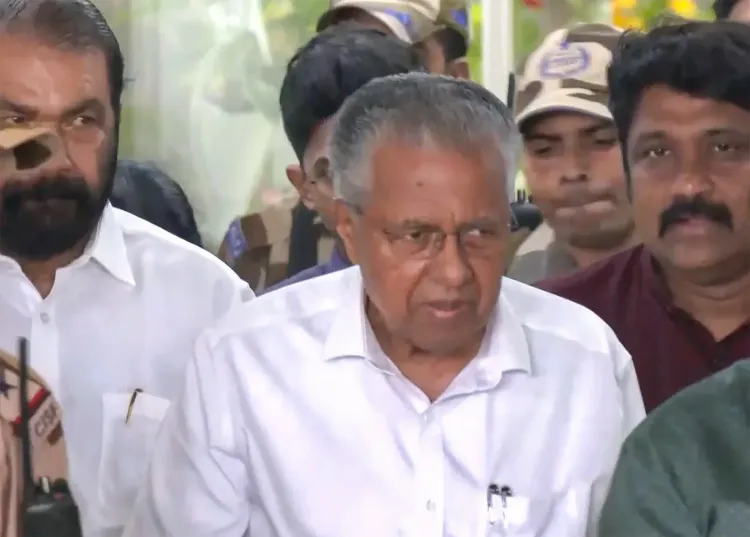
The Communist Party of India (Marxist) Politburo has ruled out any immediate leadership change in Kerala following the party's heavy Assembly election defeat, giving former Chief Minister Pinarayi Vijayan and State secretary M.V. Govindan a reprieve while directing the state unit to undertake a sweeping organisational overhaul. The decision came at the conclusion of a two-day Politburo meeting in New Delhi on Saturday, 27 June.
Key Decisions from the Politburo Meeting
The Politburo concluded that the electoral setback stemmed primarily from flawed candidate selection, weakened organisational structures, and a failure by the party leadership to accurately read public sentiment. Rather than initiating a change at the top, the central leadership opted for a comprehensive rectification process. A detailed review is scheduled to be taken up at the Central Committee meeting beginning 11 July.
The Politburo approved a rectification document — incorporating changes suggested during its deliberations — which will serve as the blueprint for the party's organisational rebuild. Notably, the draft submitted by the Kerala unit was not accepted in its original form, signalling that the central leadership had significant reservations about the state unit's self-assessment.
What the Rectification Document Says
According to the approved document, one of the most troubling internal trends identified was a growing fascination among certain leaders with parliamentary positions and electoral office. The document cautions against the belief that parliamentary politics alone can resolve people's problems, and calls for correcting such tendencies across the organisation.
During discussions, senior leaders reportedly cited the cases of veterans G. Sudhakaran, T.K. Govindan, and V. Kunjikrishnan, who had contested elections as part of fronts outside the CPI-M-led Left Democratic Front (LDF) — examples flagged as symptomatic of deeper organisational drift.
Where the Party Went Wrong
The Politburo is learnt to have observed that the Kerala leadership failed to assess the anti-incumbency mood and public criticism directed at both the government and the party. It also found that the party had grown increasingly disconnected from the grassroots, with organisational structures at the local and branch levels weakening considerably.
The central leadership reportedly concluded that candidates were selected without adequately factoring in local political realities and constituency-level sentiments — a miscalculation that cost the party heavily. The failure to field younger and more broadly acceptable candidates, even as the party's traditional vote base showed visible signs of erosion, was also flagged as a critical lapse.
Controversies surrounding cooperative banks and other administrative lapses were cited as having damaged the party's credibility. The Politburo advised the state leadership to candidly acknowledge these shortcomings before the public.
What the Politburo Stopped Short of Doing
While criticism was voiced during the meeting over the functioning of the then Vijayan government, excessive bureaucratic dominance, and the role of certain individuals in the electoral debacle, the Politburo stopped short of discussing any leadership change. Instead, it directed the Kerala unit to focus on organisational rebuilding and to function as a constructive Opposition.
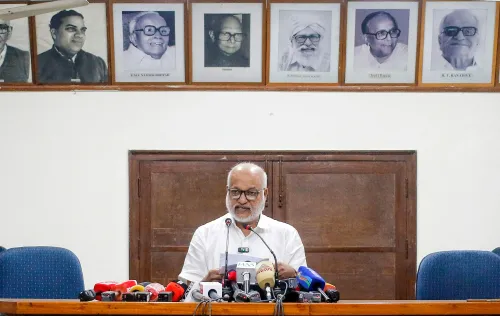
General Secretary M.A. Baby, who presented the draft report to the Politburo, declined to confirm whether the Kerala unit's report had been accepted in full, indicating only that the revised document would be debated in detail by the Central Committee.
What Happens Next
The Central Committee meeting on 11 July will be the next critical juncture, where the rectification document will be examined in depth. The Politburo has directed the Kerala unit to immediately revive grassroots organisational activity, reconnect with people's issues, and address growing dissatisfaction among party workers and supporters. Whether the reprieve for Vijayan and Govindan holds through that process remains to be seen.
Point of View
Grassroots erosion, candidate selection failures — reads like a checklist of warnings the party had been receiving for years but chose to ignore. The harder question mainstream coverage is not asking: if the diagnosis is this damning, why is the treatment merely organisational reform rather than accountability at the top?
NationPress
26 Sept 2026
Frequently Asked Questions
Has the CPI-M decided to change Kerala's leadership after the election defeat?
No. The CPI-M Politburo ruled out any immediate leadership change in Kerala at its 27 June meeting in New Delhi, giving former Chief Minister Pinarayi Vijayan and State secretary M.V. Govindan a reprieve. The party instead ordered a comprehensive organisational overhaul.
Why did the CPI-M lose the Kerala Assembly elections, according to the Politburo?
The Politburo attributed the defeat primarily to flawed candidate selection, weakening of grassroots organisational structures, and the leadership's failure to gauge anti-incumbency sentiment and public criticism against both the government and the party.
What is the CPI-M rectification document?
It is an internal party document approved by the Politburo that outlines the organisational reforms the Kerala unit must undertake. The draft submitted by the Kerala unit was not accepted in its original form; the revised document will be debated by the Central Committee beginning 11 July.
When is the CPI-M Central Committee meeting and what will it decide?
The Central Committee meeting begins on 11 July and will examine the rectification document in detail. It is the next critical juncture for the party's course correction process in Kerala.
What specific failures did the Politburo flag in Kerala?
The Politburo flagged several failures: poor candidate selection that ignored local realities, failure to field younger candidates, grassroots disconnect, controversies surrounding cooperative banks, excessive bureaucratic dominance in the government, and a growing fascination among some leaders with parliamentary positions over mass work.