CTI urges FM Sitharaman to cut GST on air purifiers to 5% amid Delhi pollution surge
Synopsis
With Delhi's AQI breaching 400 and air purifier sales jumping fivefold overnight, the Chamber of Trade and Industry is now making a formal case to Finance Minister Sitharaman: tax air purifiers like medicine, not luxury goods. The ask — dropping GST from 18% to 5% — could reshape both household affordability and domestic manufacturing of a device that millions now consider non-negotiable.
Key Takeaways
The Chamber of Trade and Industry (CTI) has written to Finance Minister Nirmala Sitharaman seeking a GST reduction on air purifiers from 18% to 5% .
Demand for air purifiers in Delhi has risen nearly fivefold , from about 4 units to 20 units per shop per day , with some brands facing stockouts.
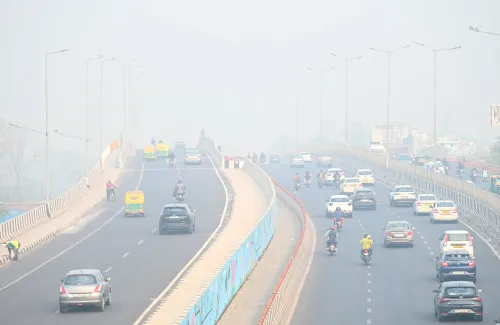
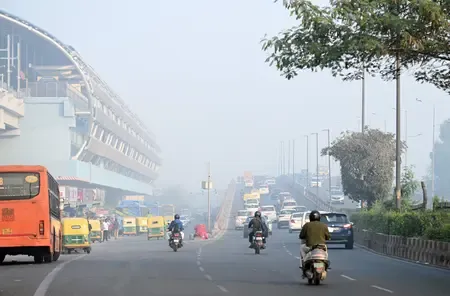
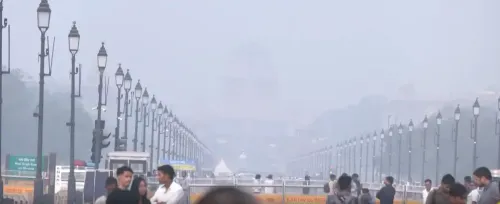
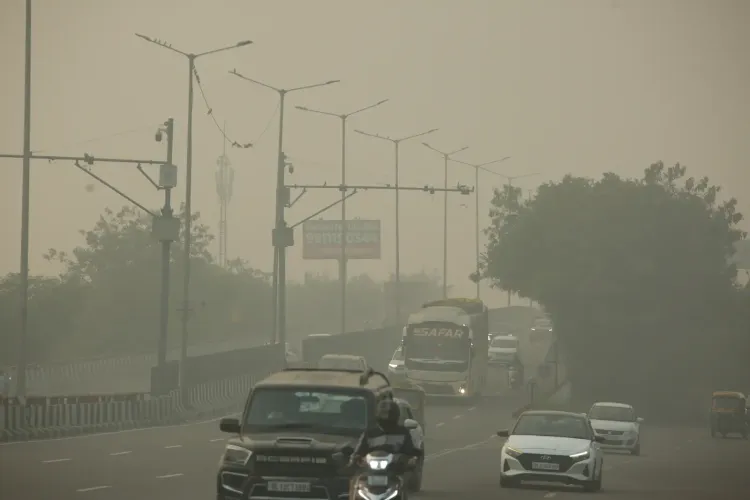
Delhi's AQI has crossed 400 , a level doctors compare to smoking 20–25 cigarettes a day , according to CTI.
CTI also demands 5% GST on HEPA filters, carbon filters, UV lamps, and other replacement components, and 5% GST on raw materials for domestic manufacturing.
A ₹5,000 crore pollution relief package and ₹500 crore for air purifiers in public institutions have been sought from the Centre.
Traders impacted by GRAP restrictions are seeking a six-month EMI moratorium and a 2% interest subsidy .
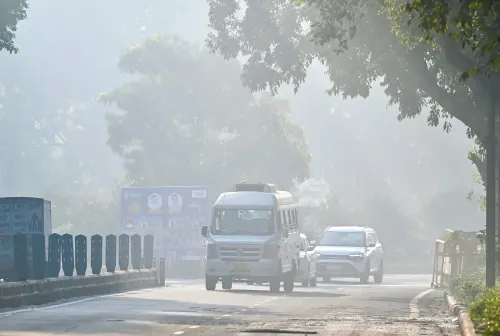
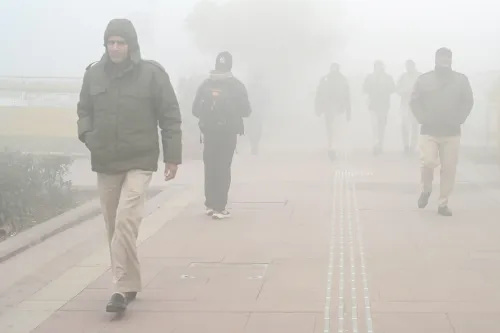
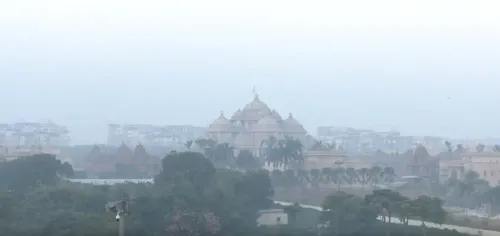
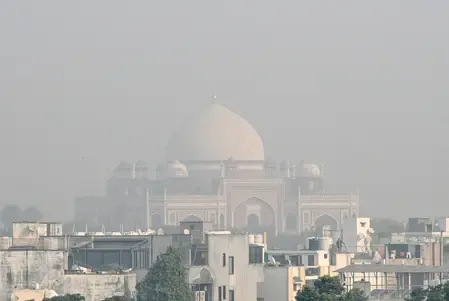
The Chamber of Trade and Industry (CTI) has formally written to Union Finance Minister Nirmala Sitharaman, demanding a sharp reduction in the Goods and Services Tax (GST) on air purifiers and HEPA filters from 18% to 5%, as Delhi-NCR's worsening air quality crisis triggers a dramatic surge in demand for air purification devices. The letter, issued on 15 November 2026, comes as the city's Air Quality Index (AQI) has crossed the 400 mark — a level that doctors, according to CTI, equate to smoking 20–25 cigarettes a day.
Fivefold Surge in Demand
Brijesh Goyal, Chairman of CTI — an organisation representing traders and entrepreneurs across Delhi and the country — said demand for air purifiers has risen nearly fivefold over just a few days as pollution levels deteriorated sharply. 'Previously, an average of four air purifiers were sold daily per shop; now, that figure has risen to approximately 20 units per day, with some companies even running out of stock,' the CTI stated.
The scale of the spike underscores how rapidly a device once considered a premium purchase has moved into the category of daily necessity for Delhi residents. Supply chains are reportedly under strain, with select brands facing stockouts across distribution points in the capital.
The GST Argument: Luxury Tax on a Health Essential
CTI Chairman Brijesh Goyal and General Secretary Gurmeet Arora argue that the current 18% GST slab is misclassified for a product that has effectively become a health device. 'If the government can reduce GST on life-saving medicines, it should also reduce the GST on air purifiers — which serve as a respiratory medicine of sorts,' Goyal said.
The organisation is specifically calling for the 5% rate to cover not just the main unit but all critical replacement components — including HEPA filters, carbon filters, UV lamps, motors, and sensors — noting that filters typically require replacement every six months. Under the existing structure, the recurring cost of maintaining an air purifier, taxed repeatedly at 18%, substantially increases the total cost of ownership for middle-income households.
Make in India Push and Raw Material Duty Relief
CTI has also flagged the tax burden on domestic manufacturing. The body is seeking a reduction in GST on raw materials used to produce air purifiers from the current 12% to 5%. The rationale, it argues, is twofold: lowering the retail price of domestically manufactured units and reducing India's dependence on Chinese imports in this segment. This aligns broadly with the Centre's existing Make in India framework, though the government has not yet responded to the specific demand.
₹5,500 Crore Relief Package Sought
Beyond GST relief, CTI has pressed for a comprehensive government response to the pollution crisis. It is seeking a special pollution relief package of ₹5,000 crore from the Centre for Delhi, to be deployed for smog towers, green belt development, road washing, and expansion of AQI monitoring infrastructure.
Separately, the CTI has demanded ₹500 crore in central financial assistance to install air purifiers in government schools, hospitals, Anganwadi centres, and 100 major markets across Delhi. The two demands together total ₹5,500 crore in public expenditure asks.
GRAP Restrictions Hit Traders Hard
CTI has also raised concerns about the economic fallout on traders from pollution-control restrictions under the Graded Response Action Plan (GRAP). Market closures and operational curbs linked to GRAP have disrupted business activity across several commercial zones. The organisation is seeking a six-month moratorium on EMIs, a 2% interest subsidy, and special working capital loan provisions for affected traders — a demand that reflects the dual squeeze the pollution crisis is placing on both residents and the commerce ecosystem in the capital.
The government's response to the CTI letter, and whether GST Council discussions will be triggered ahead of its next scheduled meeting, remains to be seen.
Point of View
But so is the revenue optics: at 18%, air purifiers generate meaningful GST collections that the Centre will be reluctant to surrender without a compensating broadening of the base. The more politically tractable ask may be the ₹500 crore institutional procurement fund, which sidesteps GST reform entirely and delivers direct public health benefit to schools and hospitals. What the CTI letter ultimately reveals is that Delhi's pollution crisis is no longer just an environmental or public health failure — it is now a fiscal policy question.
NationPress
15 Nov 2026
Frequently Asked Questions
What has the CTI demanded regarding GST on air purifiers?
The Chamber of Trade and Industry has formally asked Finance Minister Nirmala Sitharaman to reduce GST on air purifiers and HEPA filters from 18% to 5%, arguing that the devices should be classified as health or medical equipment rather than consumer electronics. The demand also covers replacement parts such as carbon filters, UV lamps, motors, and sensors.
How bad is Delhi's air quality and why has demand for air purifiers spiked?
Delhi's Air Quality Index has crossed 400, which doctors describe as equivalent to smoking 20–25 cigarettes a day, according to CTI. This has driven a nearly fivefold surge in air purifier sales, with shops moving from an average of 4 units to approximately 20 units per day, and some brands reporting stockouts.
What financial relief has CTI sought for traders affected by GRAP restrictions?
CTI has demanded a six-month moratorium on EMI repayments, a 2% interest subsidy, and special working capital loan provisions for traders whose businesses have been disrupted by market closures and operational curbs under the Graded Response Action Plan (GRAP).
What is the ₹5,500 crore package CTI is seeking from the Centre?
CTI has asked the Centre for a ₹5,000 crore special pollution relief fund for Delhi — to be used on smog towers, green belts, road washing, and AQI monitoring — plus an additional ₹500 crore to install air purifiers in government schools, hospitals, Anganwadi centres, and 100 major markets across the city.
How does the GST demand relate to India's Make in India goals?
CTI has also sought a reduction in GST on raw materials for air purifier manufacturing from 12% to 5%, arguing that lower input costs would make domestic production competitive and reduce India's reliance on imported Chinese units, aligning with the Centre's Make in India policy framework.