Defence Ministry reclassifies 87 stations as 'Hard'; NCC welcomes HRA boost
Synopsis
The Ministry of Defence has reclassified 87 Non-Military Stations as 'Hard' — a designation that unlocks enhanced HRA and separated family accommodation benefits for thousands of defence personnel embedded in civilian areas without cantonment infrastructure. The NCC, which operates across 831 locations, is among the biggest beneficiaries of a policy that formally acknowledges hardship at non-combat but genuinely difficult postings.
Key Takeaways
The Ministry of Defence has reclassified 87 Non-Military Stations as Hard Non-Military Stations (HNMS) .
The reclassification extends enhanced House Rent Allowance (HRA) and Special/Separated Family Accommodation (SPR) benefits to posted personnel.
The NCC , with a footprint across 831 locations nationwide, is among the primary beneficiaries.
Personnel at HNMS may retain families at their last-held duty station or claim HRA under specific administrative orders.
Healthcare in these areas is delivered through standalone ECHS polyclinics and empanelled civilian hospitals, given the absence of base service hospitals.
The Ministry of Defence has officially reclassified 87 Non-Military Stations across India as Hard Non-Military Stations (HNMS), extending enhanced House Rent Allowance (HRA) and accommodation benefits to defence personnel posted to these remote and challenging locations. The policy change is expected to deliver significant financial relief to armed forces personnel attached to the National Cadet Corps (NCC) and other non-combat administrative postings nationwide.
What the Reclassification Means
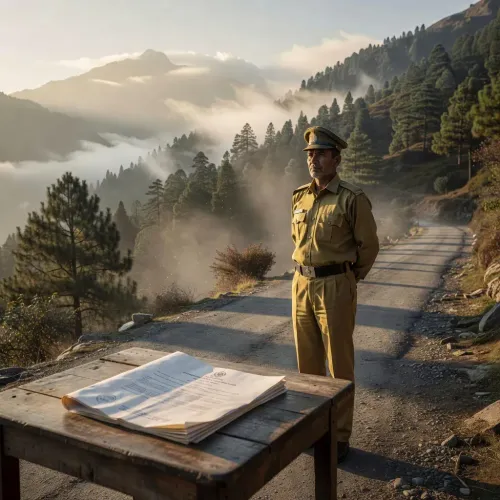
A Non-Military Station is any location where military personnel are posted but which lacks a dedicated cantonment, military base, or exclusive service infrastructure. Personnel at such postings — including those assigned to NCC units, recruiting offices, or liaison details — live and operate within standard civilian communities, frequently without access to official married quarters or specialised military housing.
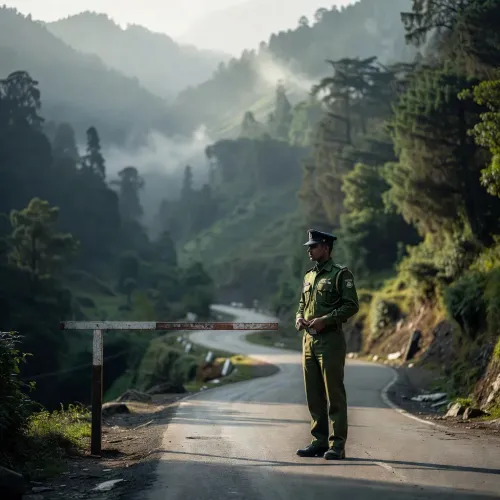
Under the updated framework, Hard Non-Military Stations are formally recognised as postings that present particularly difficult living conditions, remote geography, or a severe shortage of suitable family accommodation. Although these sites are not active tactical combat zones, the defence administration designates them as 'hard' or difficult posts, comparable to field or tenure postings in terms of the allowances and entitlements they attract.
Key Benefits for Posted Personnel
Personnel posted to designated HNMS are typically permitted to retain their families at a designated or last-held duty station rather than relocating to an area with inadequate facilities. Alternatively, they may claim HRA alongside Special/Separated Family Accommodation (SPR) benefits under specific administrative orders.
On the healthcare front, military personnel, retired staff, and veterans in non-military areas already rely on standalone Ex-Servicemen Contributory Health Scheme (ECHS) polyclinics and empanelled private or civilian hospitals, given the absence of base service hospitals. The reclassification is expected to ease the broader welfare burden on personnel in these postings.
NCC Welcomes the Move
The NCC was among the first organisations to publicly welcome the policy shift, citing its extensive national presence. In an official statement, the NCC said: 'The NCC, with its pan-India footprint in 831 locations across the country, truly represents the diversity of Bharat. This measure will be a significant relief to the personnel of NCC posted to remote and challenging areas.'
The organisation further characterised the reclassification as 'a meaningful step towards ensuring the financial security and family welfare of its personnel.'
Broader Policy Context
This comes amid a broader push by the Centre to improve service conditions for defence personnel posted outside traditional cantonments. Non-Military Stations have no military-controlled land, meaning posted personnel are embedded in civilian environments often far from urban centres, with limited access to the support infrastructure that cantonment-based postings provide. The HNMS designation formalises the acknowledgement that such postings carry a distinct hardship burden — and that the allowance structure should reflect this reality.
With 87 stations now carrying the HNMS designation, thousands of defence personnel and their families stand to benefit from improved financial entitlements. Implementation timelines and specific disbursement procedures are expected to be communicated through formal administrative orders in the coming weeks.
Point of View
Recruiting offices, and liaison nodes have historically operated in a benefits grey zone: not in cantonments, yet not formally recognised as hardship postings. By anchoring 87 such stations to a defined 'hard' designation, the Ministry creates a replicable framework that could be extended further. The real test, however, will be implementation speed and whether allowance disbursements actually reach personnel without the administrative delays that often blunt the impact of such policy decisions.
NationPress
6 Nov 2026
Frequently Asked Questions
What are Hard Non-Military Stations (HNMS)?
Hard Non-Military Stations are non-combat or civilian-adjacent postings formally recognised by the defence administration as presenting particularly difficult living conditions, remote geography, or a severe lack of suitable family accommodation. Personnel at HNMS receive enhanced HRA and may claim Special/Separated Family Accommodation benefits.
How many stations have been reclassified and who benefits?
The Ministry of Defence has reclassified 87 Non-Military Stations as HNMS. Defence personnel posted to these locations — including NCC staff, recruiting office personnel, and liaison units — are among the primary beneficiaries of the enhanced allowances.
What specific benefits does the HNMS designation provide?
Personnel at designated Hard Non-Military Stations are entitled to enhanced House Rent Allowance and may either retain their families at a last-held duty station or claim Special/Separated Family Accommodation (SPR) benefits under specific administrative orders.
Why has the NCC welcomed this policy change?
The NCC operates across 831 locations nationwide, many of which are in remote or civilian areas without cantonment infrastructure. The HNMS designation directly benefits NCC personnel posted to such challenging locations, improving their financial security and family welfare arrangements.
How does healthcare work for personnel at Non-Military Stations?
In the absence of base service hospitals, military personnel, retired staff, and veterans at Non-Military Stations rely on standalone Ex-Servicemen Contributory Health Scheme (ECHS) polyclinics and empanelled private or civilian hospitals for their medical needs.