Delhi AQI hits 187 on Monday; Yamuna foam near Kalindi Kunj raises alarm
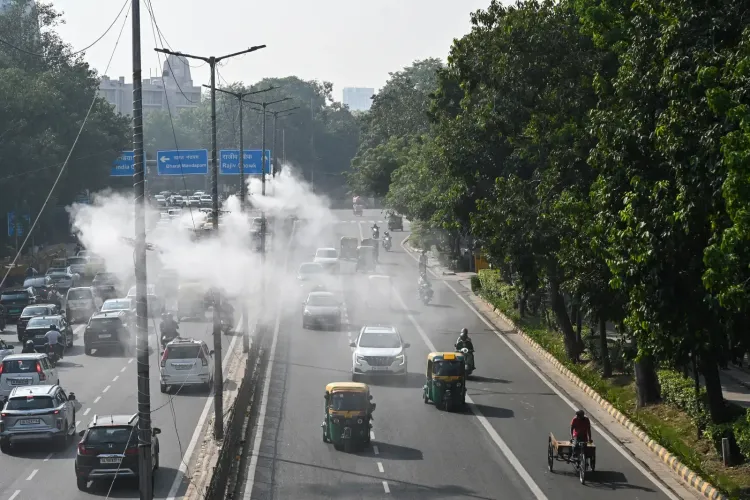
Synopsis
Delhi's citywide AQI of 187 masks a more alarming ground reality — over a dozen monitoring stations recorded readings above 200, firmly in the 'poor' category. And as GRAP Stage 1 kicks in, the Yamuna's returning white foam near Kalindi Kunj arrives days after the Chief Minister lauded a ₹9,000 crore river-rejuvenation push, spotlighting the persistent gap between policy announcements and measurable outcomes.
Key Takeaways
Delhi recorded an overall AQI of 187 at 8 am on 26 October , classified as 'moderate' by the CPCB .
Several stations including Jahangirpuri (251) , Vivek Vihar (240) , and R.K.
Puram (233) reported 'poor' air quality.
The CAQM invoked GRAP Stage 1 across Delhi-NCR on 21 October , banning coal/firewood in eateries and restricting diesel generator sets.
Thick white foam has reappeared on the Yamuna near Kalindi Kunj , highlighting ongoing water pollution challenges.
Chief Minister Rekha Gupta recently hailed ₹9,000 crore worth of Yamuna infrastructure projects, but the foam's return has drawn scrutiny over ground-level impact.
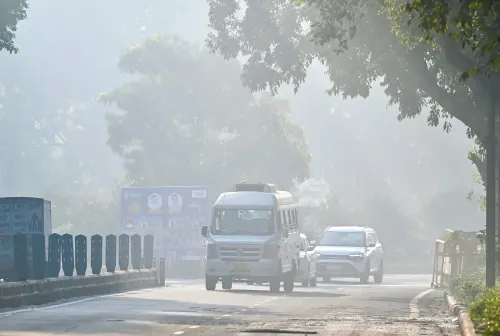
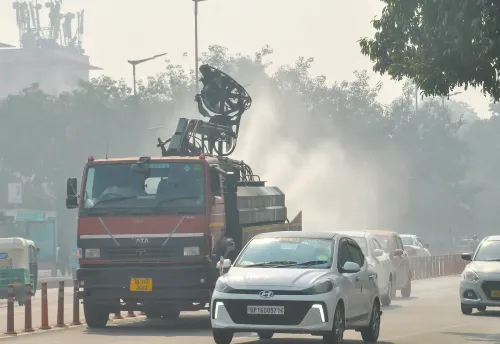
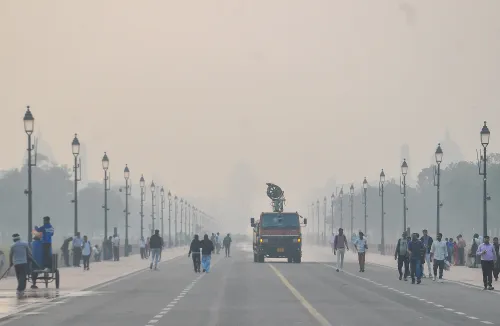
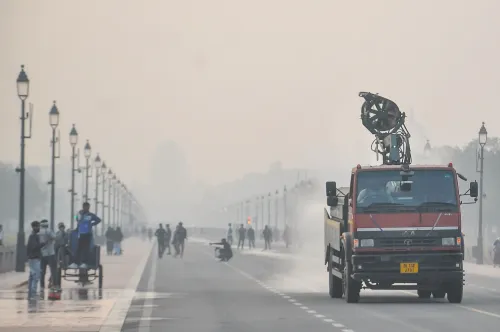
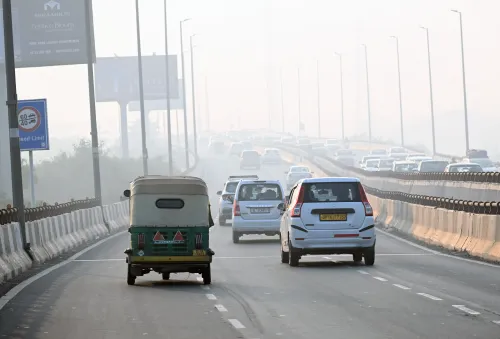
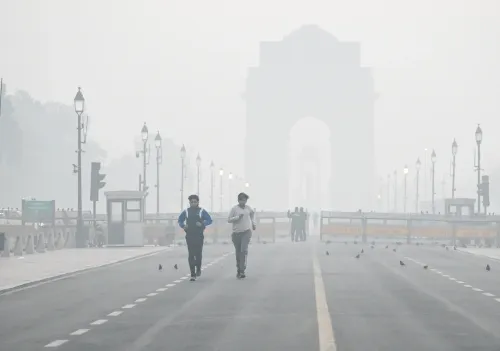
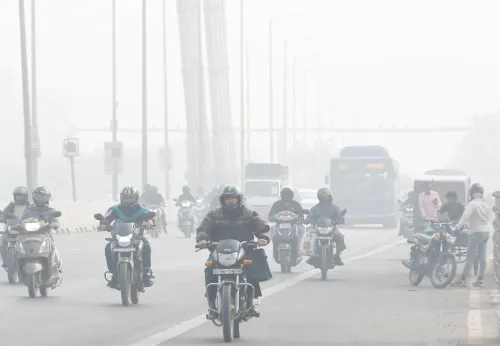
New Delhi recorded an Air Quality Index (AQI) of 187 at 8 am on Monday, 26 October, placing the national capital in the 'moderate' pollution category, according to the Central Pollution Control Board (CPCB). While the overall reading marked a slight improvement from recent highs, multiple monitoring stations across the city continued to register elevated — and in several cases, 'poor' — levels of pollution.
Station-wise AQI Readings Across Delhi
Data from CPCB monitoring stations revealed sharp variation in air quality across different parts of the city. Among the lower readings, Burari recorded an AQI of 128, Badarpur at 125, Nangloi at 150, JNU at 157, and Mandir Marg at 165.
Several other locations, however, reported significantly worse conditions. Jahangirpuri topped the list at 251, followed by Vivek Vihar at 240, R.K. Puram at 233, CRRI Mathura Road at 231, Punjabi Bagh at 229, Narela at 227, and Mundka at 226. Stations at Uttam Nagar and Sirifort both recorded 215, Dwarka Sector 8 logged 207, while Patparganj, Sonia Vihar, and Rohini hovered between 200 and 202. The city's air quality is primarily being dragged by fine particulate matter — PM2.5 and PM10.
GRAP Stage 1 Invoked Across Delhi-NCR
In anticipation of worsening conditions, the Commission for Air Quality Management (CAQM) invoked Stage 1 of the Graded Response Action Plan (GRAP) across Delhi-NCR on 21 October. Under Stage 1 restrictions, the use of coal and firewood in tandoors at hotels, restaurants, and open-air eateries is banned. Diesel generator sets are also restricted, barring essential and emergency use.
This comes amid the annual October-November pollution spike that typically accompanies falling temperatures, reduced wind speeds, and crop stubble burning in neighbouring states — a recurring pattern that has strained Delhi's air quality management framework year after year.
Yamuna White Foam Returns Near Kalindi Kunj
Alongside the air quality concerns, thick white foam has reappeared on the Yamuna River near Kalindi Kunj, renewing attention to the river's chronic water pollution challenge. The foam, widely attributed to high levels of phosphate and ammonia from untreated sewage and industrial discharge, has become a near-annual sight during festivals and the cooler months.
The reappearance is particularly notable given that Delhi Chief Minister Rekha Gupta recently praised the government's Yamuna rejuvenation initiatives and described the inauguration of infrastructure projects worth approximately ₹9,000 crore as a 'joyful occasion' for residents. Critics argue that the foam's return — days after those remarks — underscores the gap between announced investments and on-ground outcomes.
What the Pollution Picture Means for Delhi Residents
An AQI between 101 and 200 is classified as 'moderate', meaning it may cause breathing discomfort to sensitive groups, including children, the elderly, and those with respiratory conditions. Readings above 200 — recorded at more than a dozen stations — fall in the 'poor' category, where prolonged exposure poses health risks for the general population as well.
With winter approaching and GRAP Stage 1 already active, authorities are expected to escalate restrictions further if pollution trajectories worsen over the coming days.
Point of View
Arriving within days of a Chief Minister's ₹9,000 crore inauguration speech. This is not the first time a political moment of declared progress has been immediately undercut by a visible, photogenic symbol of failure. Until the city demonstrates measurable sewage treatment capacity additions — not just infrastructure inauguration — the annual foam cycle will keep returning as a reliable accountability check that no GRAP stage can address.
NationPress
26 Oct 2026
Frequently Asked Questions
What is Delhi's AQI today, 26 October 2026?
Delhi recorded an overall AQI of 187 at 8 am on 26 October, placing it in the 'moderate' category according to the Central Pollution Control Board. However, several individual monitoring stations recorded readings above 200, falling in the 'poor' category.
Which areas in Delhi have the worst air quality today?
Jahangirpuri recorded the highest AQI at 251, followed by Vivek Vihar at 240, R.K. Puram at 233, CRRI Mathura Road at 231, Punjabi Bagh at 229, Narela at 227, and Mundka at 226. These areas are classified under the 'poor' air quality category.
What is GRAP Stage 1 and what does it restrict?
GRAP Stage 1 is the first level of the Graded Response Action Plan, invoked by the CAQM on 21 October across Delhi-NCR to prevent further air quality deterioration. It bans the use of coal and firewood in tandoors at hotels, restaurants, and open-air eateries, and restricts diesel generator sets except for essential or emergency use.
Why is there white foam on the Yamuna near Kalindi Kunj?
The white foam on the Yamuna near Kalindi Kunj is widely associated with high concentrations of phosphate and ammonia from untreated sewage and industrial discharge entering the river. The foam reappears regularly during cooler months and has become a recurring marker of the Yamuna's chronic pollution problem.
What did Delhi CM Rekha Gupta say about the Yamuna recently?
Chief Minister Rekha Gupta recently praised the government's Yamuna rejuvenation efforts and described the inauguration of infrastructure projects worth approximately ₹9,000 crore as a joyful occasion for Delhi residents. The reappearance of white foam on the river days after those remarks has drawn criticism over the gap between announced investments and visible outcomes.