Delhi AQI at 308 on Nov 11: Relief likely as winds pick up
Synopsis
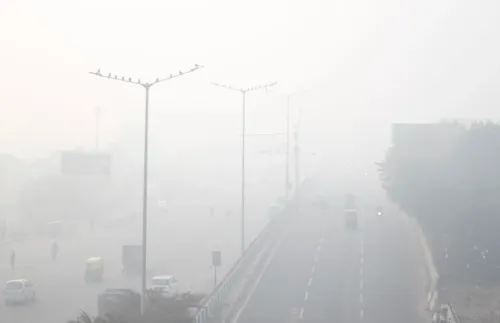
Delhi's air hit AQI 308 on 11 November — firmly 'very poor' — just days after Diwali pushed 93 Indian cities into the world's 100 most polluted list. With no monitoring station hitting 'severe' and winds forecast to strengthen, marginal relief is on the way, but the annual post-festival pollution cycle has once again exposed the capital's structural air quality crisis.
Key Takeaways
Delhi's overall AQI stood at 308 at 8:40 am on 11 November , remaining in the 'very poor' category.
29 of 59 monitoring stations recorded 'very poor' air quality; none crossed into 'severe' .
Worst-affected stations: Chhawla (398) , Chandni Chowk (383) , ITO (369) , and Pusa (361) .
The CPCB clarified on Tuesday that cross-platform AQI discrepancies reflect methodological differences, not under-reporting.
Post- Diwali (8 November) pollution saw 93 Indian cities rank among the world's 100 most polluted , according to AQI.in data.
The IMD forecasts fog from 11–16 November and rising wind speeds expected to gradually improve air quality.
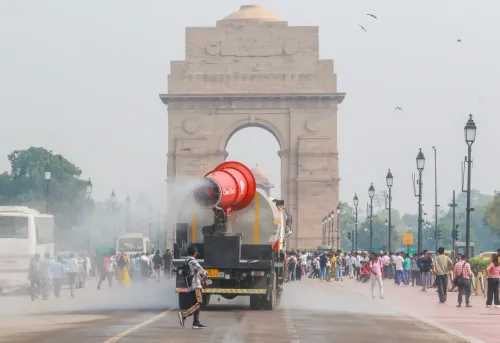
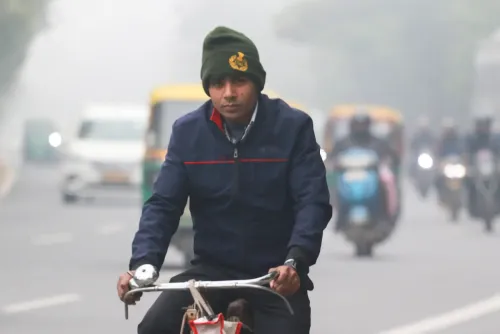
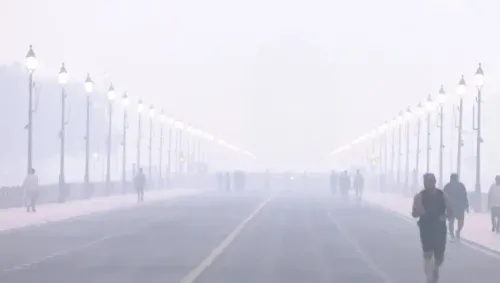
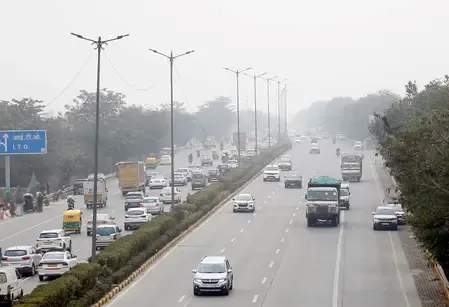
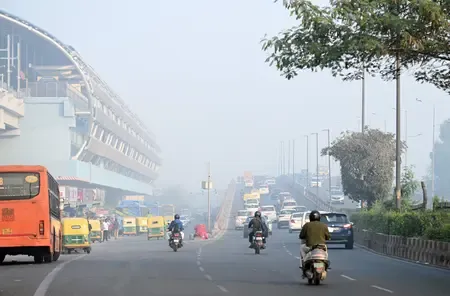
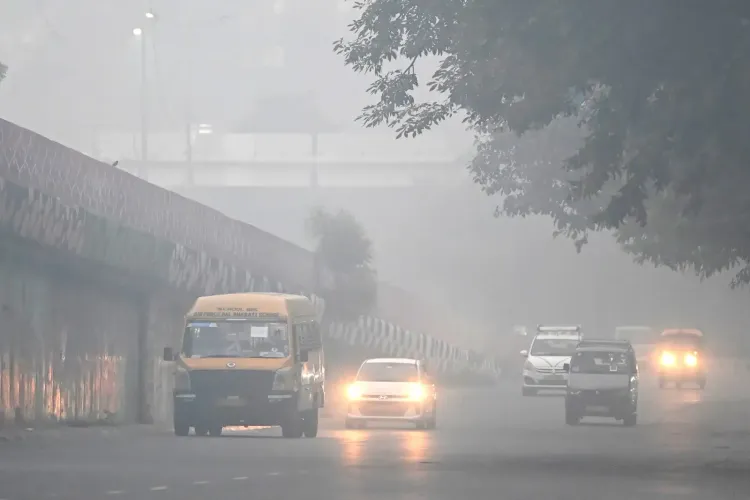
Delhi's air quality lingered in the 'very poor' category on Wednesday, 11 November, with the overall Air Quality Index (AQI) recorded at 308 at 8:40 am. Some relief is expected over the coming days, as forecasters indicate wind speeds are likely to increase — a natural dispersant for the thick pollution blanket that has settled over the capital.
Station-wise Breakdown
Of the 59 air quality monitoring stations that reported data on Wednesday, 29 registered 'very poor' readings, while the remaining stations fell in the 'poor' category. Notably, none of the monitoring stations crossed into the 'severe' range, a marginal but meaningful distinction for public health advisories.
Among the worst-affected locations were Chhawla (398), Chandni Chowk (383), ITO (369), Pusa (361), NSIT Dwarka (352), NSUT Jaffarpur (351), NIH Narela (356), Punjabi Bagh (343), Talkatora Garden (333), Jahangirpuri (324), Wazirpur (323), Sirifort (321), Burari (319), and Badarpur (312). Comparatively cleaner readings were recorded at Karala (220), Ghoga (263), and Nangloi (274).
CPCB Scale and Platform Discrepancy Clarification
According to the Central Pollution Control Board (CPCB), AQI is classified as follows: 0–50 is 'good', 51–100 is 'satisfactory', 101–200 is 'moderate', 201–300 is 'poor', 301–400 is 'very poor', and 401–500 is 'severe'.
On Tuesday, the CPCB addressed growing public concern over data inconsistencies, clarifying that differences between AQI readings shown on private applications and its own official platform arise from variations in pollutant concentration measurements and calculation methodologies — and are not, as some reports had suggested, a result of under-reporting. The watchdog responded via a post on X in reaction to media scrutiny of AQI reporting during and after Diwali, which included questions about readings capped at 500, missing data from certain monitoring stations, and cross-platform discrepancies.
Post-Diwali Pollution Context
The current pollution episode follows Diwali celebrations on 8 November, after which India featured prominently in global pollution rankings. According to data published by AQI.in on 9 November, 93 Indian cities were among the world's 100 most polluted locations — a stark reminder of the annual post-festival air quality crisis that the capital faces with near-clockwork regularity. This is not an isolated spike; Delhi has recorded 'very poor' or 'severe' air quality in November for several consecutive years, underscoring the structural nature of the problem.
Weather Forecast: Fog and Mild Temperatures Ahead
The India Meteorological Department (IMD) has forecast fog or mist during early morning hours in Delhi from 11 to 16 November. Maximum temperatures are expected to range between 28°C and 29°C, while minimum temperatures are likely to stay between 14°C and 16°C. On 11 and 12 November, the maximum is forecast at 28°C with minimums between 15°C and 16°C; from 13 to 15 November, the maximum may edge up to 29°C.
As wind speeds strengthen in the days ahead, air quality is expected to improve gradually — though residents with respiratory conditions are advised to continue precautionary measures until readings fall below the 'poor' threshold.
Point of View
Vehicular load, construction dust, and stagnant winter air collide with firework emissions to produce a predictable, preventable crisis. The CPCB's clarification on data discrepancies, while technically defensible, does little to address the growing public distrust in official air quality reporting. Until measurement transparency and enforceable pollution curbs are treated as political priorities rather than seasonal talking points, Delhi will keep hitting this same cycle, year after year.
NationPress
11 Nov 2026
Frequently Asked Questions
What is Delhi's AQI today, 11 November?
Delhi's overall AQI was recorded at 308 at 8:40 am on 11 November, placing it firmly in the 'very poor' category. Of 59 monitoring stations, 29 reported 'very poor' air quality and none reached the 'severe' level.
When will Delhi's air quality improve?
Air quality is expected to improve gradually over the next few days as wind speeds are forecast to increase, which will help disperse pollutants. The IMD has also forecast fog and mist from 11 to 16 November, with temperatures remaining mild.
Which areas in Delhi have the worst air quality today?
Chhawla (398), Chandni Chowk (383), ITO (369), Pusa (361), NSIT Dwarka (352), and NSUT Jaffarpur (351) recorded the highest AQI readings on 11 November. Karala (220) and Ghoga (263) were among the relatively cleaner stations.
Why are there differences in AQI readings across different apps?
The CPCB clarified on Tuesday that discrepancies between AQI readings on private applications and its official platform are due to differences in pollutant concentration measurements and calculation methodologies, not under-reporting. The clarification came after media scrutiny of AQI data around Diwali.
How did Diwali affect India's pollution rankings?
Following Diwali on 8 November, data published by AQI.in on 9 November showed 93 Indian cities ranked among the world's 100 most polluted locations. Delhi was a prominent entry, consistent with the pattern seen in recent years.