Delhi AQI eases to 239 after 393 overnight peak; haze lingers
Synopsis
Delhi's air improved on Friday morning, but the overnight numbers show how fragile that is. The AQI fell from 121 on Thursday evening to a peak of 393 by 2 am, then eased to 239 by mid-morning. Delhi has also overtaken its NCR neighbours as the region's most polluted city this season.
Key Takeaways
Delhi's AQI stood at 239 at 8:40 am on 27 November 2026 , down from 393 around 2 am .
The AQI rose from a low of 121 at 5:01 pm on Thursday and stayed above 300 until after 5 am on Friday.
DTU recorded the highest station reading at 304 ; Tikri Kalan recorded the lowest at 164 .
PM10 was 274 µg/m³ at 6:11 am , against the WHO guideline of 45 µg/m³ .
The week ending 26 November saw a peak AQI of 465 on 20 November .
Delhi ranked as the most polluted of 10 major NCR cities for PM2.5 and PM10 between 1 October and 25 November .
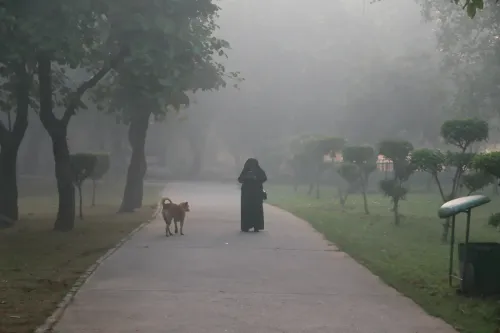
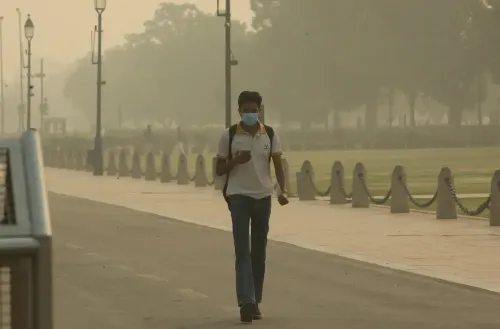
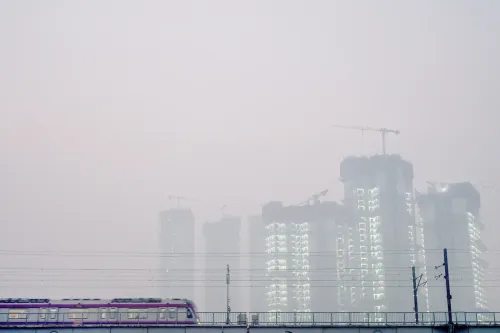
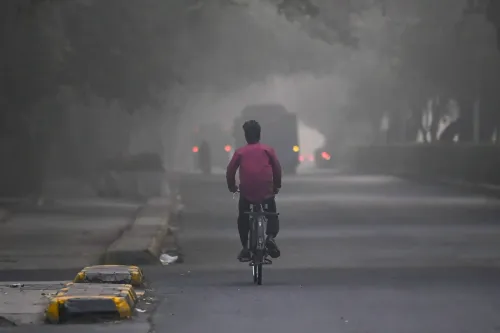
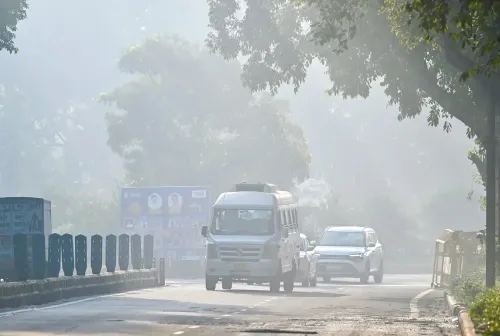
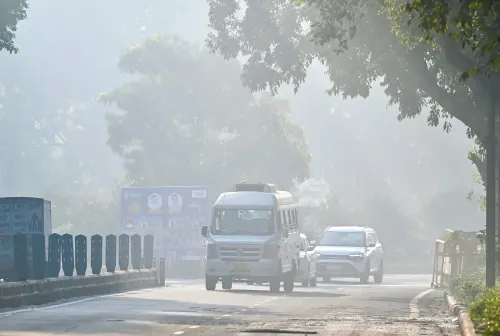
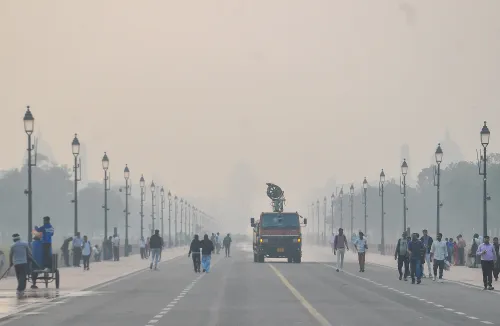
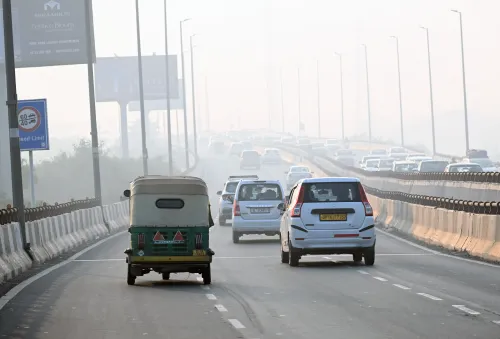
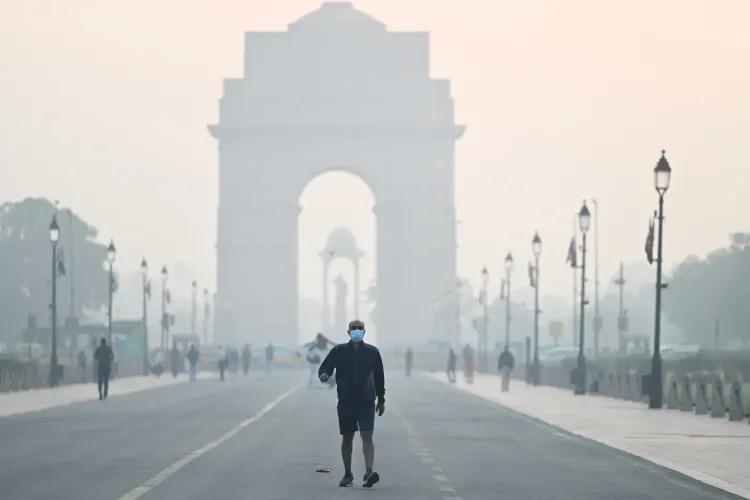
Delhi's Air Quality Index (AQI) improved to 239 at 8:40 am on Friday, 27 November 2026, hours after pollution in the national capital climbed to 393 around 2 am. A layer of haze still covered New Delhi through the morning, even as readings fell steadily from the overnight high.
Monitoring data showed the AQI at 273 by 6:11 am, nearly 120 points below the peak. The improvement was uneven, though, and most monitoring stations across the city still reported poor air quality.
Station-Wise AQI Readings Across Delhi
DTU recorded the highest reading among the stations listed, at 304. CRRI Mathura Road and North Campus each recorded 292, followed by Ghoga at 289 and IGI Airport (T3) at 289.
Other elevated readings came from Burari Crossing (287), ITO (285), Sirifort (280), Wazirpur (273), Bawana (266), Punjabi Bagh (260), Burari (259), Chandni Chowk (259) and NIH Narela (253).
Comparatively lower levels were recorded at Karala (244), Chhawla (243), Narela (239), Anand Vihar (239), Alipur (239), Nangloi (238), Rohini (233) and Badarpur (218). Tikri Kalan posted the lowest reading, at 164.
How Pollution Rebounded Overnight
The overnight spike followed a brief recovery. On Thursday afternoon the AQI dropped to 121 at 5:01 pm, the lowest reading of the preceding 24 hours.
Levels rose again after dusk and crossed the 300 mark around 8 pm. They peaked at 393 shortly after 2 am on Friday. According to AQI.in, readings stayed above 300 until after 5 am.
Night-time spikes like this have been common in recent days. Early morning pollution levels over the past week frequently ranged between 350 and 450.
Week-Long Trend and Health Benchmarks
For the seven days ending 26 November, Delhi's AQI peaked at 465 at 6 am on 20 November. The lowest reading in that period was 170, recorded at noon on 26 November.
At 6:11 am on Friday, PM10 concentration stood at 274 micrograms per cubic metre. The World Health Organization's recommended guideline is 45 micrograms per cubic metre, so Friday's level was roughly six times that limit.
Delhi Tops NCR Pollution Rankings
A report found that between 1 October and 25 November, Delhi was the most polluted of the 10 major NCR cities for both PM2.5 and PM10 concentrations. In the same period last year, the capital ranked third for PM2.5 and fourth for PM10.
That shift suggests the capital's relative position within the region has worsened this season. With early morning readings still volatile, residents can expect more swings in air quality in the days ahead.
Point of View
From 121 to 393. That swing shows why daytime improvements in Delhi's air quality offer little lasting relief. The more telling figure is in the NCR rankings: Delhi has moved from third and fourth last year to first on both PM2.5 and PM10. That suggests the capital's own pollution sources, not just regional factors, deserve sharper scrutiny. Until measures target the night-time build-up, residents will keep breathing air far above WHO limits through the winter.
NationPress
27 Nov 2026
Frequently Asked Questions
What was Delhi's AQI on 27 November 2026?
Delhi recorded an AQI of 239 at 8:40 am on Friday, 27 November 2026. That was down from an overnight peak of 393 around 2 am.
Which Delhi area had the worst air quality on Friday morning?
DTU recorded the highest AQI among the listed stations, at 304. CRRI Mathura Road and North Campus followed at 292 each.
How does Delhi's PM10 level compare with WHO guidelines?
At 6:11 am on Friday, Delhi's PM10 concentration was 274 micrograms per cubic metre. The WHO's recommended guideline is 45 micrograms per cubic metre, so the reading was roughly six times higher.
What was Delhi's highest AQI in the past week?
Delhi's AQI peaked at 465 at 6 am on 20 November during the seven-day period ending 26 November. The lowest reading in that week was 170, recorded at noon on 26 November.
Is Delhi the most polluted city in NCR this season?
Yes, according to a report, Delhi ranked as the most polluted of 10 major NCR cities for both PM2.5 and PM10 between 1 October and 25 November. In the same period last year, it ranked third and fourth respectively.