Delhi-NCR air quality turns 'poor' post-Dussehra, GRAP-1 enforced
Synopsis
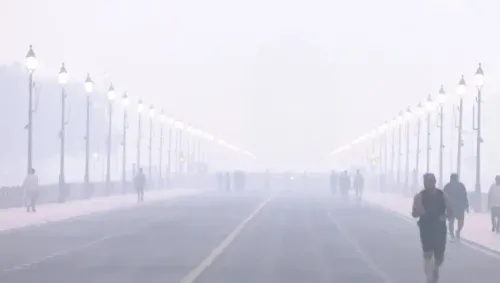
For the first time this season, Delhi-NCR's air quality has crossed into the 'poor' category — with the AQI at 238 and hotspots like Jahangirpuri and Pusa already in 'very poor' territory above 300. CAQM has activated GRAP-1, but with the winter pollution season barely begun, the real question is how quickly the city will need to escalate to Stage 2 and beyond.
Key Takeaways
Delhi-NCR AQI reached 238 on 21 October 2026 , entering the 'poor' category for the first time this season, according to CPCB data.
CAQM has activated GRAP Stage 1 restrictions covering dust, vehicular emissions, and industrial pollution.
Jahangirpuri (AQI 308 ) and Pusa (AQI 314 ) are already in the 'very poor' category, above the GRAP-1 threshold.
Data from 56 of 59 monitoring stations showed variation; 16 stations including Anand Vihar were in the 'moderate' range.
Children, the elderly, and those with respiratory conditions have been specifically advised to take precautions.
If AQI persists in the 'very poor' range, GRAP Stage 2 escalation — with stricter curbs — is likely in coming days.
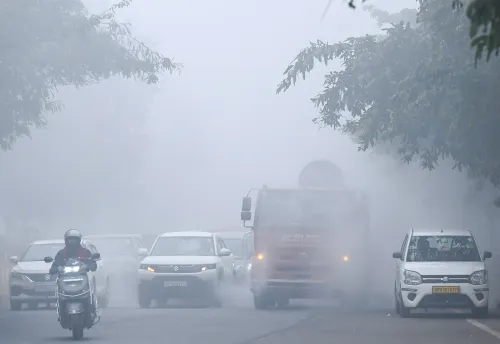
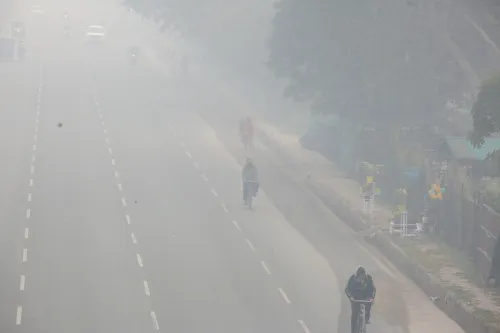
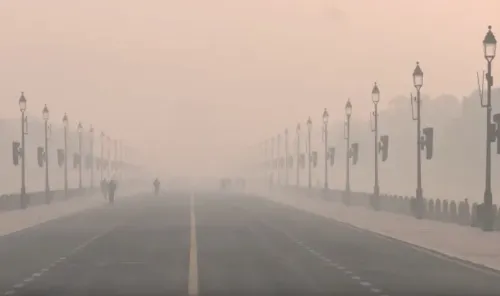
The Commission for Air Quality Management (CAQM) has enforced Graded Response Action Plan (GRAP) Stage 1 across Delhi-NCR after air pollution spiked sharply in the days following Dussehra, with the Air Quality Index (AQI) climbing to 238 on Wednesday morning — entering the 'poor' category for the first time this season, according to data from the Central Pollution Control Board (CPCB). Authorities have directed all concerned departments and agencies to immediately activate measures prescribed under the GRAP framework.
Air Quality Readings Across Delhi
Data drawn from 56 of Delhi's 59 air-quality monitoring stations revealed significant variation across the city. The most affected stations were Jahangirpuri (AQI 308) and Pusa (AQI 314), both firmly in the 'very poor' category — technically crossing the threshold that would warrant GRAP Stage 2. At 16 monitoring stations, including Anand Vihar, readings were recorded in the 'moderate' range, indicating uneven distribution of pollution loads across the capital.
What GRAP-1 Means on the Ground
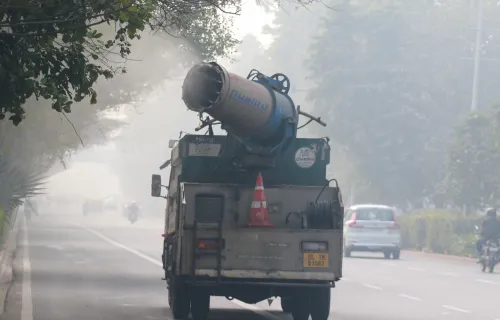
Under GRAP Stage 1 — triggered when the AQI falls between 201 and 300 — authorities are required to intensify control of dust from roads and construction sites, crack down on vehicular emissions, and tighten oversight of industrial pollution. Agencies have been directed to ensure regular road-sweeping and increased water sprinkling at identified hotspots.
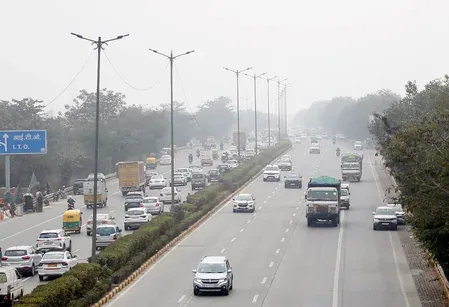
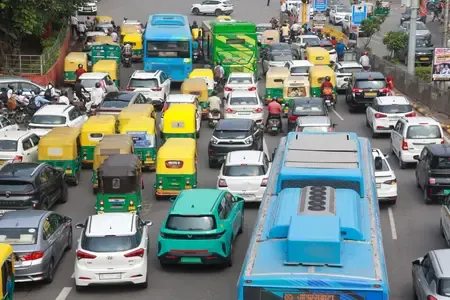
Construction sites will face mandatory compliance checks on dust-control norms, while open burning of garbage or leaves will be actively curbed. Polluting vehicles will face enforcement action, and efforts will be made to ease traffic congestion, a known contributor to localised emission spikes. Industries, power plants, and brick kilns have been placed under enhanced emissions monitoring, with action mandated against units found violating prescribed environmental standards.
The GRAP Ladder: How Restrictions Escalate
The GRAP framework operates in four stages tied to AQI thresholds. GRAP 1 is enforced for AQI between 201–300 ('poor'); GRAP 2 kicks in between 301–400 ('very poor'); GRAP 3 applies between 401–450 ('severe'); and GRAP 4 — the most stringent — is triggered above 450 ('severe plus'). With Jahangirpuri and Pusa already in the 'very poor' bracket, CAQM is expected to monitor whether a Stage 2 activation becomes necessary in the coming days.
Public Health Advisory
Authorities have issued a public advisory urging residents to avoid busy roads during morning and evening hours, refrain from burning waste in the open, and shift to public transport wherever feasible. Motorists have been reminded to keep their Pollution Under Control (PUC) certificates valid and maintain their vehicles regularly.
Particular caution has been advised for children, the elderly, and individuals with respiratory ailments. Those experiencing eye irritation, persistent coughing, or difficulty breathing are advised to seek medical attention promptly. The sudden deterioration ahead of winter — a pattern seen repeatedly in Delhi-NCR — underlines the pressure that festival-season activities, combined with crop-residue burning in neighbouring states, typically place on the region's air in October and November.
What Comes Next
Air quality will be closely monitored across all 59 stations in the coming days. Should the AQI rise further or persist in the 'very poor' range at multiple locations, CAQM is empowered to escalate to GRAP Stage 2, which introduces stricter curbs on diesel generators, certain construction activities, and older vehicles. The coming weeks — historically Delhi's worst pollution window — will test how quickly the enforcement machinery can contain the seasonal surge.
Point of View
Jahangirpuri and Pusa, are already in 'very poor' territory, technically above the GRAP-1 threshold, yet only Stage 1 has been invoked — raising questions about whether the response is calibrated to the city-wide average or to the worst-affected pockets. Historically, the lag between ground-level readings and enforcement escalation has cost Delhi critical days. With crop-residue burning in Punjab and Haryana set to peak in November, the real stress test for CAQM's revised GRAP architecture is still weeks away.
NationPress
21 Oct 2026
Frequently Asked Questions
Why has GRAP-1 been enforced in Delhi-NCR?
GRAP Stage 1 has been activated because Delhi-NCR's overall AQI reached 238 on 21 October 2026 — entering the 'poor' category for the first time this season — following a sharp spike in pollution after Dussehra. CAQM enforces GRAP-1 when the AQI crosses 200.
What restrictions come under GRAP Stage 1?
Under GRAP-1, authorities focus on controlling road and construction dust, curbing vehicular emissions, and monitoring industrial units and power plants. Agencies must ensure regular road sweeping, increased water sprinkling, and action against open burning of waste.
Which areas in Delhi have the worst air quality right now?
As of 21 October 2026, Jahangirpuri (AQI 308) and Pusa (AQI 314) are recording 'very poor' air quality — the second-most severe category in the GRAP framework. At 16 stations including Anand Vihar, air quality was in the 'moderate' range.
When does GRAP escalate to Stage 2 or beyond?
GRAP Stage 2 is triggered when the AQI rises between 301 and 400 ('very poor'); Stage 3 between 401 and 450 ('severe'); and Stage 4 above 450 ('severe plus'). With multiple Delhi stations already in the 300-plus range, a Stage 2 call could follow if the trend persists.
What precautions should Delhi residents take?
Residents are advised to avoid busy roads during morning and evening hours, not burn garbage or leaves in the open, and use public transport where possible. Children, the elderly, and those with respiratory conditions should take extra care, and anyone experiencing breathing difficulty or persistent coughing should seek medical advice.