Delhi post-Diwali AQI hits 449 in Sonia Vihar as severe pollution chokes capital
Synopsis
Delhi's air turned toxic the morning after Diwali 2026, with Sonia Vihar hitting an AQI of 449 and multiple stations logging 'Severe' readings — even as the DPCC's own monitoring website reportedly went dark for several hours at peak pollution time, raising uncomfortable questions about data transparency and enforcement.
Key Takeaways
Delhi's average AQI stood at 376 ('Very Poor') on 9 November 2026 , the day after Diwali, per the CPCB Sameer app.
Sonia Vihar recorded the city's highest reading at 449 , followed by Burari Crossing ( 445 ) and Vivek Vihar ( 441 ).
Pollution in some areas exceeded WHO recommended limits by more than 50 times after residents burst firecrackers past the Supreme Court's 10 pm deadline.
The DPCC website reportedly stopped displaying live readings from stations including R.K.
Puram , Mundka , and Sonia Vihar for several hours on Diwali night.
Delhi Minister Kapil Mishra alleged that a campaign was being run from Arvind Kejriwal's residence to 'malign Deepavali' under the cover of pollution concerns.
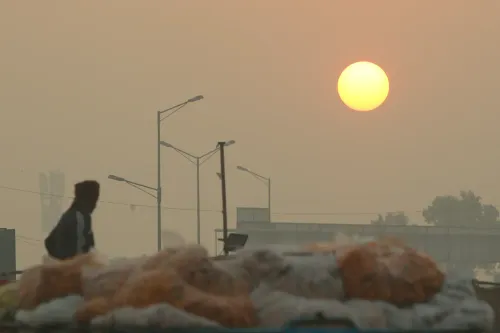
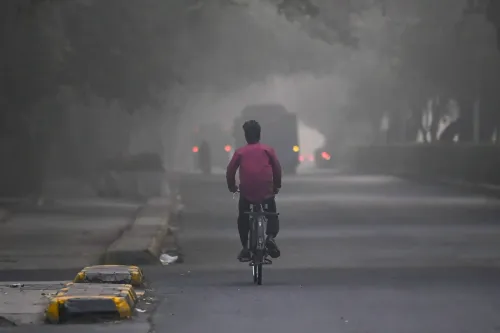
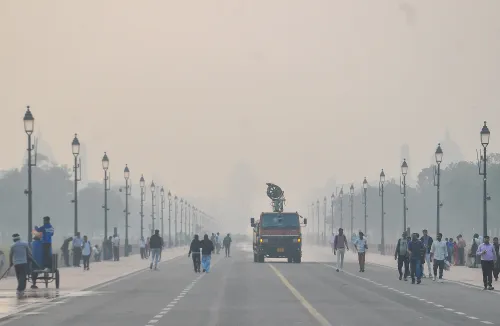
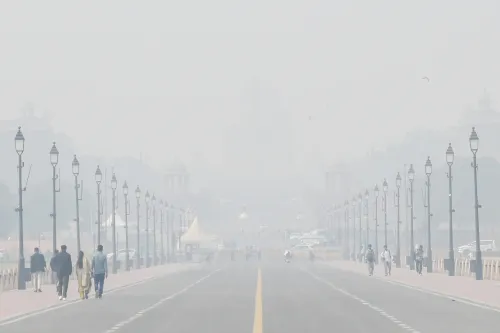
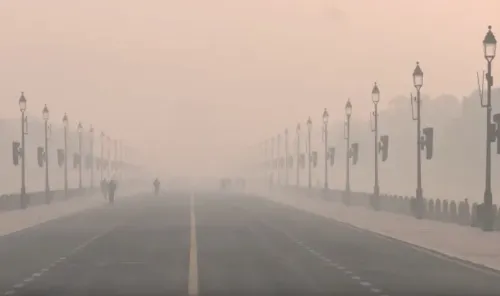
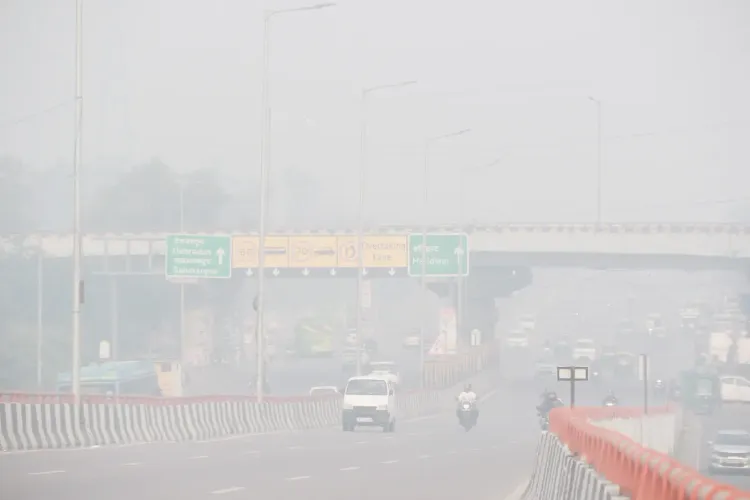
Delhi's air quality plunged to the 'Severe' category across multiple localities on Monday, 9 November 2026, the day after Diwali celebrations, with Sonia Vihar recording the highest Air Quality Index (AQI) in the city at 449. The city's average AQI stood at 376 — firmly in the 'Very Poor' bracket — according to the Central Pollution Control Board's (CPCB) Sameer application.
Where Pollution Was Worst
Monitoring stations across the capital registered alarming readings through the morning hours. Sonia Vihar topped the city at 449, narrowly ahead of Burari Crossing at 445 and Vivek Vihar at 441, according to the Pollution Dashboard. Jahangirpuri recorded 439, Delhi University's North Campus registered 437, and Rohini clocked 435.
Other locations logging 'Severe' readings included DTU (431), Bawana (424), Chandni Chowk and Patparganj (418 each), Mundka (413), NIH Narela and Punjabi Bagh (408 each), and the Commonwealth Sports Complex and ITO (404 each). A dense smog blanket reduced visibility considerably in Inderlok and several other residential pockets during the morning.
Firecrackers Defy Supreme Court Deadline
Despite directions from the Supreme Court capping firecracker use until 10 pm, residents in several parts of Delhi reportedly continued bursting them well beyond the permitted hours. Official figures indicated that pollution levels in certain areas exceeded World Health Organisation (WHO) recommended limits by more than 50 times after the midnight hour. The pattern has drawn fresh scrutiny over the enforceability of the court's annual directives.
This is not the first time post-Diwali AQI readings in Delhi have breached the 'Severe' threshold — the city has recorded comparable or worse spikes in previous years, raising persistent questions about whether restrictions alone are sufficient to curb emissions without ground-level enforcement.
Monitoring Data Goes Dark at Peak Hours
R.K. Puram and Nehru Nagar, near Lajpat Nagar, were among the worst-affected localities until 9 pm on Diwali night. Real-time dashboards initially reflected a steep upward trajectory in AQI values. However, the Delhi Pollution Control Committee's (DPCC) website reportedly stopped displaying live readings from several monitoring stations for a period of a few hours, according to reports. The affected stations included those at R.K. Puram, Nehru Nagar, Mundka, Sonia Vihar, and Dwarka, raising concerns about data transparency during the most critical pollution window of the year.
Political Row Over Festival Pollution
Delhi Minister Kapil Mishra targeted Aam Aadmi Party (AAP) National Convenor Arvind Kejriwal, alleging that a campaign was being run from Kejriwal's residence to 'malign the festival of Deepavali under the guise of concerns over pollution.' The allegation, which AAP did not immediately address in published statements, reflects the broader political contestation that has surrounded Delhi's annual post-Diwali pollution debate.
As the city wakes to another day of hazardous air, all eyes will be on whether emergency pollution controls — including restrictions on construction activity, heavy vehicle movement, and industrial operations under the Graded Response Action Plan (GRAP) — will be tightened further in the coming days.
Point of View
After years of Supreme Court directives and GRAP protocols, do enforcement gaps still allow readings to exceed WHO limits by 50 times? Until the answer to that question changes, the annual outrage cycle will simply repeat itself.
NationPress
9 Nov 2026
Frequently Asked Questions
What was Delhi's AQI on 9 November 2026 after Diwali?
Delhi's city-wide average AQI was recorded at 376, placing it in the 'Very Poor' category, according to the CPCB Sameer application. Individual stations were far worse, with Sonia Vihar topping the city at 449 — firmly in the 'Severe' range.
Which areas in Delhi recorded the worst air quality after Diwali?
Sonia Vihar led with an AQI of 449, followed by Burari Crossing (445), Vivek Vihar (441), Jahangirpuri (439), and Delhi University's North Campus (437). Rohini, DTU, Bawana, Chandni Chowk, Patparganj, Mundka, Punjabi Bagh, and ITO also logged 'Severe' readings above 400.
Why did Delhi's AQI spike so sharply after Diwali 2026?
Residents reportedly continued bursting firecrackers well beyond the Supreme Court's 10 pm deadline, pushing pollution to levels that exceeded WHO recommended limits by more than 50 times in certain areas. Calm overnight winds typical of the season further trapped pollutants close to ground level.
What happened to the DPCC's air quality monitoring data on Diwali night?
The Delhi Pollution Control Committee's (DPCC) website reportedly stopped displaying live readings from several monitoring stations — including R.K. Puram, Nehru Nagar, Mundka, Sonia Vihar, and Dwarka — for a few hours during peak pollution on Diwali night. The outage raised concerns about data availability at the most critical time.
What did Delhi Minister Kapil Mishra say about Diwali pollution?
Delhi Minister Kapil Mishra alleged that a campaign was being run from AAP National Convenor Arvind Kejriwal's residence to 'malign the festival of Deepavali under the guise of concerns over pollution.' AAP did not immediately respond to the allegation in published statements.