Delhi Conducts Comprehensive Mock Drills in 13 Districts for Disaster Preparedness
Synopsis
Civil Defence mock drills were executed across 13 districts in Delhi to enhance readiness for disasters and hostile situations. These exercises aim to improve coordination among agencies and raise public awareness, demonstrating the government's commitment to civil defense.
Key Takeaways
13 districts in Delhi participated in civil defence mock drills.
Drills aimed to enhance disaster preparedness .
Locations included shopping malls , hospitals , and schools .
Inter-agency coordination was a key focus.
Part of broader efforts under Operation Shield .
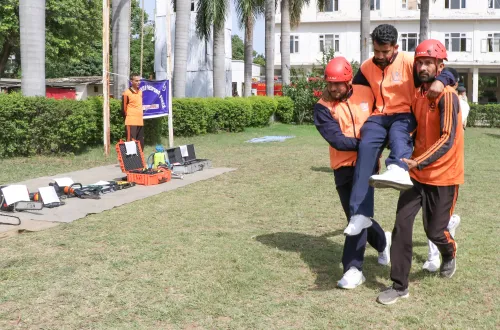
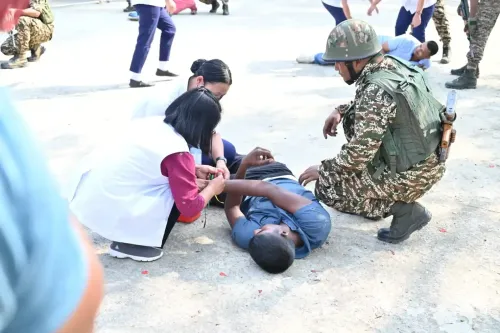
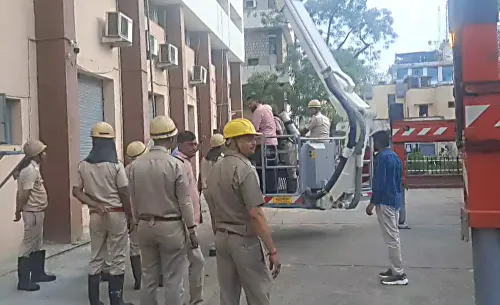
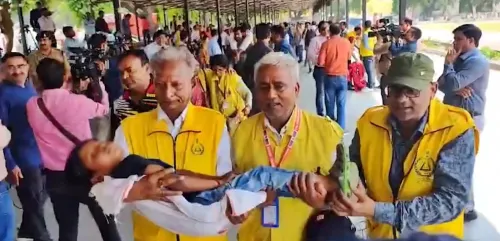
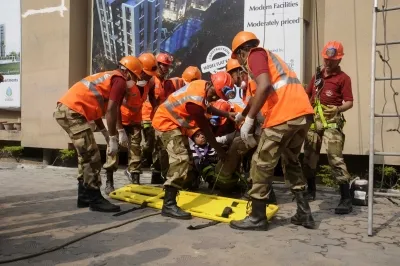
New Delhi, April 2 (NationPress) - Civil Defence mock drills took place in 13 districts of Delhi on Thursday as part of a strategy to prepare for disasters and war-like scenarios, according to an official report.
These mock drills were held in various locations including shopping malls in North and Old Delhi, hospitals, schools, and District Management offices, highlighting the government's commitment to enhancing civil defence systems, as stated by the Directorate of Civil Defence.
In the New Delhi district, known for its frequent visits by VIPs and foreigners, the exercises were conducted at the Taj Palace Hotel on Sardar Patel Marg and at the Cantonment General Hospital in Delhi Cantonment, the statement revealed.
The purpose of the drills was to significantly boost inter-agency coordination, raise public awareness, and enhance the local systems' capability to respond effectively and promptly to any hostile events or natural disasters.
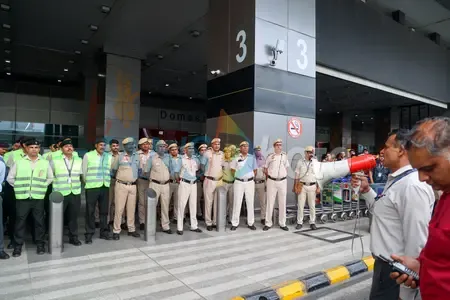
Previously, on May 7, civil defence mock drills were coordinated with the police at Indira Gandhi International Airport Terminal 3. The Ministry of Home Affairs had directed several states to conduct similar drills on that date last year.
Following “Operation Sindoor,” local authorities conducted civil defence mock drills aimed at improving national security readiness, which were part of “Operation Shield” across multiple states and Union Territories bordering Pakistan.
The exercises were executed in states like Punjab, Rajasthan, Gujarat, Jammu and Kashmir, Haryana, and Chandigarh, concentrating on areas most vulnerable to cross-border threats.
A statement from officials emphasized the significance of these drills in enhancing preparedness and addressing critical vulnerabilities identified during a prior nationwide drill.
“Operation Shield” was specifically designed to simulate various hostile scenarios, including air-raid sirens and blackout protocols, to assess the readiness of civil authorities, emergency services, and local communities.
The drills were intended to recreate real-time situations that could arise from external threats, particularly in sensitive districts near the Line of Control (LoC) and the International Border (IB).
According to official sources, comprehensive blackouts were enforced in identified civilian areas across Punjab, with exceptions made for essential services like hospitals and emergency units. Sirens were activated to alert residents, and mock response measures were implemented to evaluate community and agency reactions under stress.
Point of View
It is evident that the recent civil defence mock drills in Delhi reveal a proactive strategy to enhance preparedness against potential threats. These initiatives are crucial for ensuring public safety and improving inter-agency collaboration, reflecting a commitment to national security.
NationPress
20 Sept 2026
Frequently Asked Questions
What was the purpose of the mock drills in Delhi?
The mock drills aimed to prepare for disasters and war-like situations, improve inter-agency coordination, and raise public awareness.
Where were the mock drills conducted?
The drills were conducted in various locations including shopping malls, hospitals, schools, and at notable sites like the Taj Palace Hotel.
When were similar mock drills held previously?
Similar civil defence mock drills were coordinated with the police at Indira Gandhi International Airport Terminal 3 on May 7 last year.
What is 'Operation Shield'?
'Operation Shield' is an initiative designed to enhance national security through the simulation of hostile scenarios to test preparedness.
Which states participated in the civil defence exercises?
States including Punjab, Rajasthan, Gujarat, Jammu and Kashmir, Haryana, and Chandigarh participated in the exercises.