Delhi CM Rekha Gupta pledges balance between GRAP curbs and construction jobs
Synopsis
Delhi CM Rekha Gupta has promised construction workers and industry bodies that GRAP curbs won't be applied without regard for livelihoods — but the CAQM has simultaneously widened enforcement to smaller sites under 500 sq m, raising the stakes for both sides ahead of Delhi's peak pollution season.
Key Takeaways
Delhi CM Rekha Gupta met Nirman Udyog Bachao Morcha representatives on 25 August and pledged a balance between GRAP curbs and construction sector employment.
Environment Minister Manjinder Singh Sirsa was also present at the meeting.
The CAQM amended Statutory Direction No.
86 on 4 August , extending enforcement powers to Municipal Corporations, Development Authorities , and ULBs across the NCR.
Enforcement now covers C&D sites with plot area under 500 square metres — previously outside direct regulatory ambit.
Authorities can now order site closures and impose Environmental Compensation for gross dust mitigation violations.
The GRAP schedule operates across four AQI-based stages , with restrictions tightening as pollution levels rise.
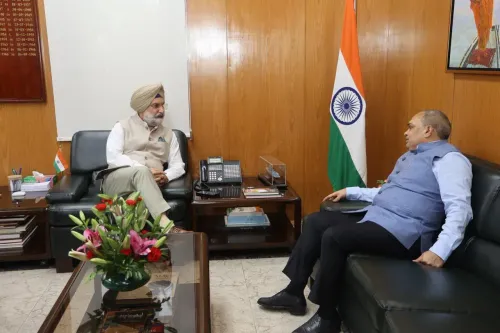
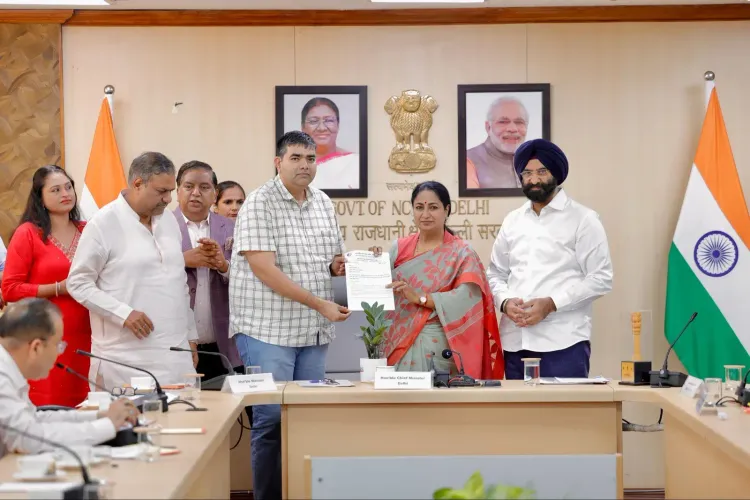
Delhi Chief Minister Rekha Gupta on Tuesday, 25 August assured representatives of the construction industry that her government would work to balance air pollution control measures under the Graded Response Action Plan (GRAP) with the city's imperatives of employment generation and development. The assurance came after a meeting at her office with members of the Nirman Udyog Bachao Morcha and other construction sector stakeholders.
What the Chief Minister Said
Following the meeting, Chief Minister Gupta posted on social media platform X: “Met with members of the Nirman Udyog Bachao Morcha and representatives from the construction sector, and heard their problems and suggestions related to construction activities during Graded Response Action Plan (GRAP).”
She added: “A clean environment and sustainable development are both essential needs for Delhi. The government and industry will work together on such practical solutions that make pollution control efforts effective while also sustaining the pace of employment and development.” Delhi Environment Minister Manjinder Singh Sirsa was also present at the meeting, according to an official.
CAQM Widens Enforcement Powers
The meeting comes against the backdrop of a significant regulatory move earlier this month. The Commission for Air Quality Management in NCR and Adjoining Areas (CAQM) on 4 August issued an amendment to its Statutory Direction No. 86, empowering civic agencies and Urban Local Bodies (ULBs) to enforce dust mitigation measures at Construction and Demolition (C&D) sites with a plot area of less than 500 square metres.
The amendment extended prosecution powers against gross violators to additional Municipal Corporations, Development Authorities, Municipal Councils, Municipal Boards, and ULBs across the National Capital Region (NCR). Authorities have also been empowered to order site closures and impose Environmental Compensation (EC) in cases of gross violations, including those related to the GRAP schedule for C&D activities.
Why Smaller Sites Are Now in Focus
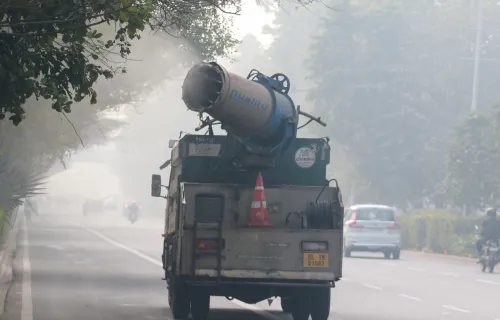
The CAQM noted that construction projects on plots under 500 square metres are widespread across multiple municipal areas in the NCR and contribute significantly to overall PM10 and PM2.5 pollution loads attributed to the C&D sector. By expanding the enforcement framework to cover these smaller sites, the Commission aims to close a regulatory gap that had previously allowed a large volume of dust-generating activity to go unchecked.
This is a notable structural shift: earlier enforcement was concentrated on larger projects, leaving smaller sites — numerous in number — largely outside the ambit of direct action.
How GRAP Works
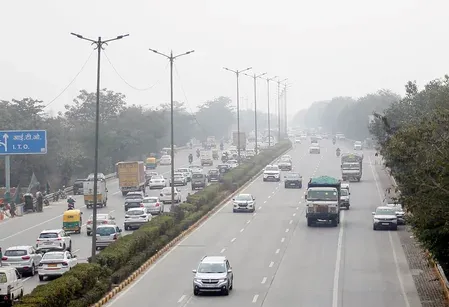
The GRAP schedule is divided into four progressive stages based on Delhi's average Air Quality Index (AQI) levels, with each stage triggering progressively stricter restrictions on construction, vehicular movement, and industrial activity. The CAQM periodically reviews and enforces these stages, with updates published on its official website.
With winter — and historically Delhi's worst pollution months — approaching, the government's attempt to align industry concerns with environmental mandates will face its real test in the months ahead.
Point of View
Not loosening, which puts the CM's promise under immediate pressure. What is missing from the conversation is a clear mechanism: which GRAP stage triggers which specific construction ban, and what compensation or alternative work is available to daily-wage labourers when sites shut. Without that specificity, industry meetings risk becoming a seasonal ritual ahead of Delhi's winter pollution crisis rather than a structural fix.
NationPress
25 Aug 2026
Frequently Asked Questions
What did Delhi CM Rekha Gupta promise the construction industry on 25 August?
Chief Minister Rekha Gupta assured construction industry representatives that her government would strive to balance GRAP-related air pollution curbs with the city's employment and development needs. She met members of the Nirman Udyog Bachao Morcha and other sector stakeholders at her office on 25 August.
What is the GRAP schedule and how does it affect construction in Delhi?
The Graded Response Action Plan (GRAP) is a four-stage framework based on Delhi's average Air Quality Index (AQI) that triggers progressively stricter restrictions — including bans on construction and demolition activities — as pollution worsens. Higher GRAP stages can halt most construction work across the NCR, directly affecting employment at project sites.
What did the CAQM change in its 4 August amendment to Statutory Direction No. 86?
The CAQM expanded enforcement of dust mitigation measures to Construction and Demolition sites with a plot area under 500 square metres, which were previously outside the direct enforcement ambit. The amendment also extended prosecution powers and the authority to impose Environmental Compensation to additional Municipal Corporations, Development Authorities, and Urban Local Bodies across the NCR.
Why are smaller construction sites now under stricter scrutiny?
The CAQM noted that sub-500-sq-m construction sites are numerous across NCR cities and collectively contribute significantly to PM10 and PM2.5 pollution loads from the C&D sector. Bringing them under the enforcement framework is intended to close a regulatory gap that had allowed a large volume of dust-generating activity to go unmonitored.
Who else was present at the Delhi CM's meeting with the construction industry?
Delhi Environment Minister Manjinder Singh Sirsa was also present at the meeting, according to an official statement.