Delhi H1N1 cases 2025: CM Rekha Gupta reviews surge, 1,777 infections logged
Synopsis
Delhi has crossed 2,300 Influenza-A cases this year — 1,777 of them confirmed H1N1 — prompting Chief Minister Rekha Gupta to call a formal review. With the ICMR calling the outbreak mild and self-limiting, and the government warning hospitals against turning patients away, the real story is less about a health emergency and more about managing public confidence during a seasonal spike.
Key Takeaways
Delhi CM Rekha Gupta held a review meeting on H1N1 influenza on 25 August .
The city has recorded over 2,300 Influenza-A cases this year, including 1,777 H1N1 cases up to Friday.
Health Minister Pankaj Kumar Singh assured residents of no shortage of beds or medical resources.
Action will be taken against hospitals that turn away patients citing isolation ward shortages.
ICMR Director General Rajiv Bahl described most cases as mild and self-limiting, advising against mass testing.
Schools have been put on alert; the Delhi Education Department has issued a formal circular.
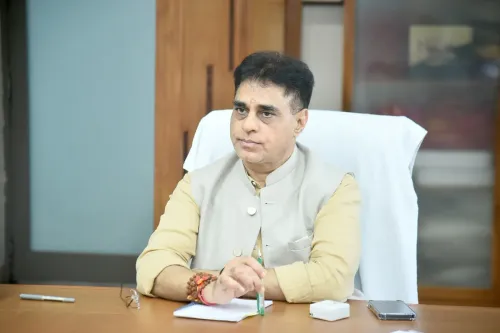
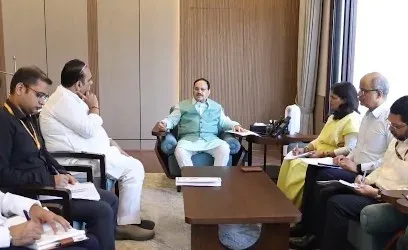
Delhi Chief Minister Rekha Gupta on Tuesday, 25 August convened a high-level review meeting on the rising H1N1 influenza cases in the national capital, even as Delhi Health Minister Pankaj Kumar Singh urged residents not to panic and assured that the situation remains firmly under control. The city has recorded over 2,300 Influenza-A cases this year, of which 1,777 have been confirmed as H1N1 up to Friday.
What the Government Said
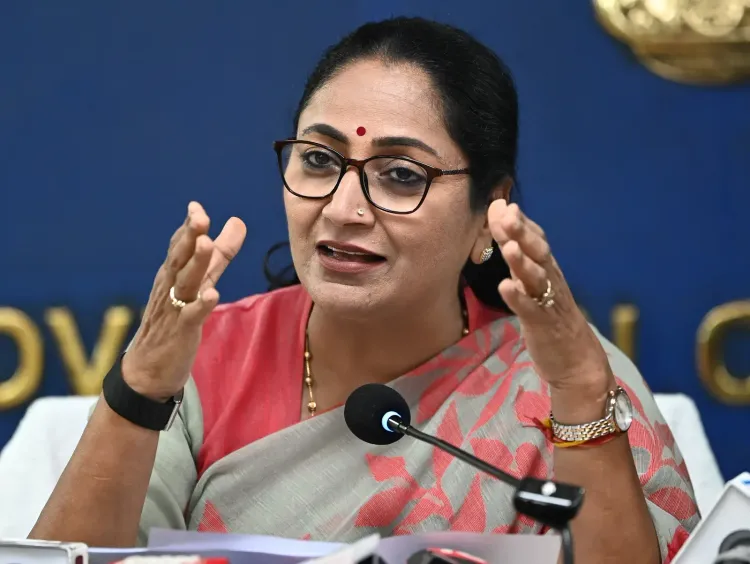
Addressing reporters after the briefing, Health Minister Pankaj Kumar Singh said, 'The Bharatiya Janata Party (BJP) government remains fully committed and attentive. I want to reassure the people of Delhi once again: there is no shortage or crisis anywhere, and there is absolutely no reason to panic.' He added, 'Everything is fine and under complete control. Our hospitals, doctors, and medical staff are fully prepared to serve the citizens of Delhi.'
Singh also warned that action would be initiated against health institutions found turning away patients by citing a shortage of beds in isolation wards — a signal that authorities are monitoring compliance on the ground.
Schools on Alert
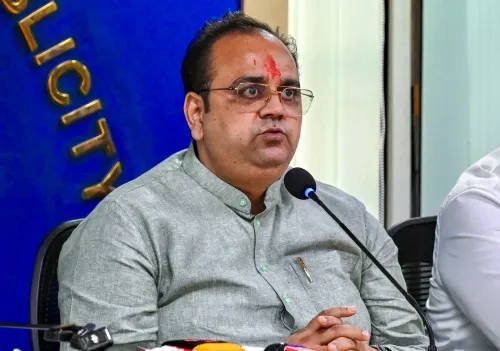
Delhi Education Minister Ashish Sood said schools have been advised to remain vigilant. The Education Department has issued a formal circular on the matter, indicating that the advisory extends beyond hospitals to educational settings where children congregate.
ICMR's Assessment
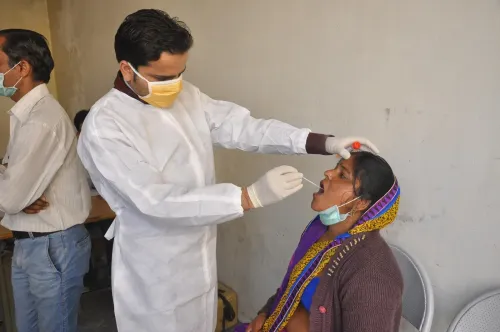
Indian Council of Medical Research (ICMR) Director General Rajiv Bahl described H1N1 as a seasonal flu, noting that a large proportion of current respiratory cases are being attributed to it. 'The most important point is that a majority of cases are very mild and self-limiting. Therefore, there is no need for concern, nor is there any need for everyone to undergo testing,' Bahl said in a statement. He advised that testing is warranted only when the result would materially influence treatment decisions.
ICMR officials added that their surveillance panel tests for a range of respiratory viruses — including H1N1, H3N2, H5N1, H6N2, SARS-CoV-2, respiratory syncytial virus (RSV), human metapneumovirus, and adenoviruses — allowing authorities to track the specific subtype driving the seasonal spike.
Public Health Advice
Authorities recommended that anyone experiencing symptoms such as cough, cold, sore throat, fever, or body aches avoid close contact with others for the first two to three days, get adequate rest, and maintain distance when meeting people. The guidance mirrors standard seasonal influenza protocols and stops short of any school closure or mass-testing directive.
This comes amid a broader seasonal respiratory surge that typically peaks in August–September across northern India. With the government maintaining that infrastructure is adequate and the ICMR characterising the outbreak as mild and self-limiting, the immediate policy focus appears to be on preventing healthcare avoidance and ensuring hospitals do not turn patients away.
Point of View
300 Influenza-A cases in a single city by late August is a notable seasonal spike, and the explicit warning to hospitals not to turn patients away suggests bed pressure is real enough to warrant a directive — which sits uneasily alongside assurances of no shortage. The ICMR's guidance is medically sound: H1N1 is seasonal, most cases are mild, and mass testing adds little clinical value. But the gap between official reassurance and on-the-ground hospital behaviour is the detail worth watching as the season progresses.
NationPress
25 Aug 2026
Frequently Asked Questions
How many H1N1 cases has Delhi recorded in 2025?
Delhi has logged over 2,300 Influenza-A cases this year, of which 1,777 have been confirmed as H1N1 up to Friday, 22 August. The figures prompted Chief Minister Rekha Gupta to convene a formal review meeting on 25 August.
Is H1N1 dangerous? Should Delhi residents be worried?
According to ICMR Director General Rajiv Bahl, the vast majority of H1N1 cases are mild and self-limiting, requiring no hospitalisation. Authorities have advised against panic, though people with symptoms should rest, avoid crowds, and consult a doctor if their condition worsens.
What action is the Delhi government taking against hospitals turning away patients?
Health Minister Pankaj Kumar Singh said action will be initiated against health institutions that refuse patients on grounds of isolation-ward bed shortages. The warning signals that the government is monitoring hospital compliance during the seasonal surge.
Do I need to get tested for H1N1?
The ICMR advises that testing is useful only when the result would affect treatment. Routine testing for every cough or cold is not recommended. If symptoms are mild — fever, sore throat, body aches — rest and avoiding contact with others for two to three days is the advised course.
Why are schools in Delhi on alert for H1N1?
Delhi Education Minister Ashish Sood said schools have been advised to remain vigilant, and the Education Department has issued a circular. Children in school settings are at higher risk of spreading respiratory infections, making early advisory action a standard precautionary measure.