CM Rekha Gupta Inaugurates Geetanjali Fire Station, Adds 46 Rapid-Response Vehicles
Synopsis
Delhi CM Rekha Gupta inaugurated the Geetanjali Fire Station and inducted 20 fire response motorbikes and 26 quick response vehicles into the Delhi Fire Service fleet under Seva Sankalp Abhiyan, targeting faster emergency reach in the capital's congested lanes.
Key Takeaways
Geetanjali Fire Station was inaugurated by Delhi CM Rekha Gupta on September 30, 2026 .
20 fire response motorbikes and 26 quick response vehicles were added to the Delhi Fire Service fleet in the same event.
The new vehicles are specifically designed to access narrow lanes and congested routes in Delhi's dense urban zones.
The initiative was conducted under Seva Sankalp Abhiyan , a BJP-linked public service campaign.
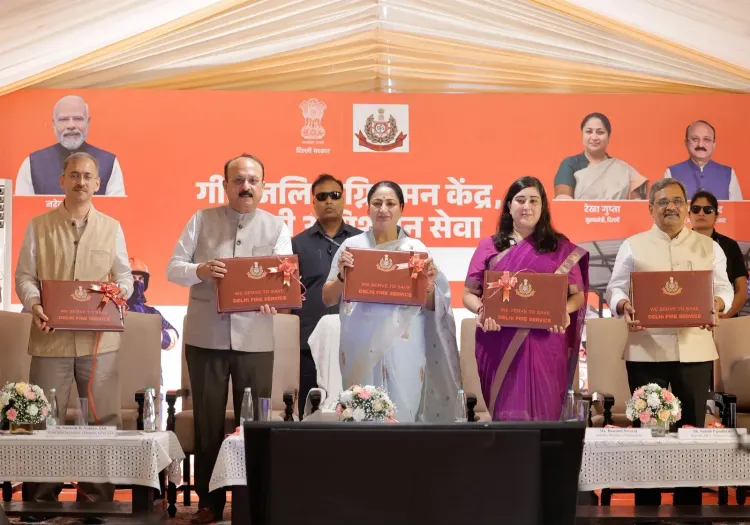
MP Bansuri Swaraj , minister Ashish Sood , and MLA Satish Upadhyay were present at the inauguration.
The government has committed to making emergency response faster for every Delhi citizen through fleet modernisation and new station placement.
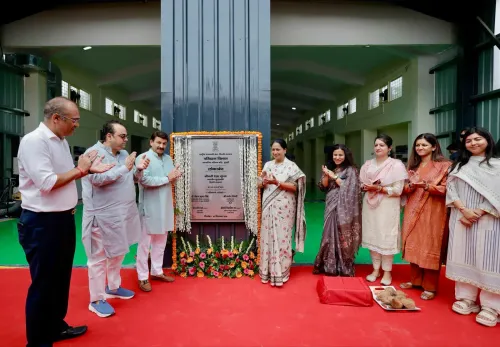
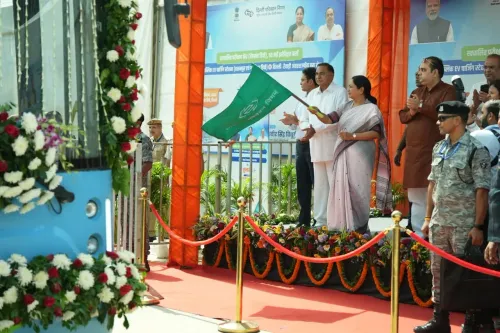
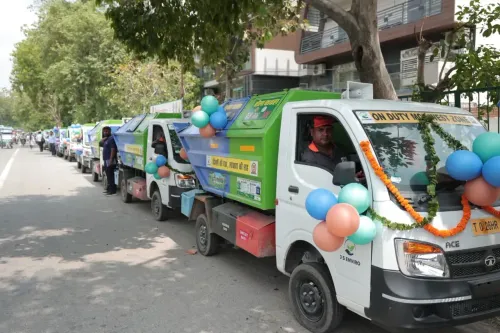
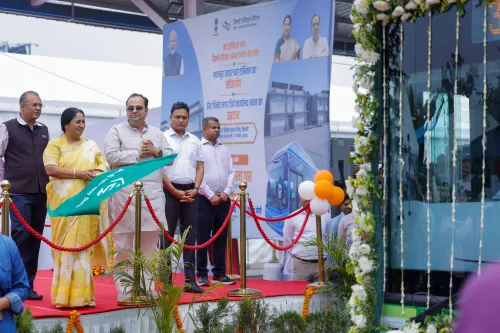
Delhi's narrow lanes have always been the city's silent emergency — the maze of gullies where a standard fire engine simply cannot reach in time. On Wednesday, September 30, 2026, Delhi Chief Minister Rekha Gupta struck directly at that problem, inaugurating the Geetanjali Fire Station and simultaneously inducting 20 fire response motorbikes and 26 quick response vehicles (QRVs) into the Delhi Fire Service fleet, under the Seva Sankalp Abhiyan.
Posting on X in Hindi, Chief Minister Gupta said the new vehicles would 'reach narrow lanes and congested routes quickly to provide immediate assistance in emergencies.' Her stated resolve: that in any crisis, help must reach every Delhi citizen in the shortest possible time.
46 Vehicles Built for Delhi's Most Unreachable Corners
The induction of 20 fire response motorbikes is the sharper edge of this announcement. Motorbikes can thread through Delhi's densest residential clusters — the kind of lanes in Chandni Chowk, Lajpat Nagar, or Shahdara where a full-sized tanker gets stuck before the fire doubles. The 26 QRVs complement them as fast-deploying units capable of carrying personnel and first-response equipment ahead of the main fleet.
Together, the two vehicle categories represent a tiered rapid-response model: bikes as the first wave cutting through bottlenecks, QRVs as the second wave with capacity — a design approach that mirrors what high-density Asian cities have adopted to shrink the all-important 'gap-to-first-water' time.
Geetanjali Station and the Seva Sankalp Abhiyan Push
The Geetanjali Fire Station inauguration adds a physical node to Delhi's emergency infrastructure grid. Fire station placement matters as much as vehicle count: a new station compresses the radius every unit has to cover, cutting baseline response times before a single motorbike turns its key.
The event was conducted under Seva Sankalp Abhiyan, a BJP-linked service-delivery campaign. MP Bansuri Swaraj, cabinet colleague Ashish Sood, and MLA Satish Upadhyay were present at the inauguration, signalling cross-tier political backing for the initiative at the parliamentary, ministerial, and legislative levels simultaneously.
Delhi's Long Chase to Fireproof Its Lanes
The accessibility gap in Delhi's fire response is not new. Successive administrations have periodically modernised the fleet to address the structural reality of a city built before any urban planner imagined the traffic it would carry. What has changed is the granularity of the solution — purpose-built motorbikes rather than merely smaller trucks — reflecting a sharper diagnosis of where the bottleneck actually lives.
Chief Minister Gupta framed the move in broader terms: 'With modern technology, better resources, and a stronger fire service, our government is continuously working to make Delhi safer.' The commitment points toward further fleet expansions and station additions as Seva Sankalp Abhiyan continues its rollout across the capital.
The question now is whether the response-time data backs the promise — and how quickly the next tranche of vehicles follows.
Point of View
Conducting it under Seva Sankalp Abhiyan allows the BJP to tie visible public-safety deliverables to a branded campaign ahead of future electoral cycles. The presence of an MP, a cabinet minister, and an MLA at a single fire station event signals deliberate optics: this is governance-as-outreach. The real test, however, will be whether response-time metrics in affected wards actually improve, a data point the administration has so far not publicly committed to tracking or publishing.
NationPress
30 Sept 2026
Frequently Asked Questions
What is the Geetanjali Fire Station in Delhi?
The Geetanjali Fire Station is a newly inaugurated fire and emergency response facility in Delhi, opened by Chief Minister Rekha Gupta on September 30, 2026, as part of the city's expanding emergency services infrastructure.
What vehicles were added to Delhi Fire Service in September 2026?
Delhi Fire Service received 20 fire response motorbikes and 26 quick response vehicles (QRVs) at the Geetanjali Fire Station inauguration event on September 30, 2026.
What is Seva Sankalp Abhiyan?
Seva Sankalp Abhiyan is a BJP-linked campaign focused on service delivery and public welfare initiatives. The Geetanjali Fire Station inauguration was conducted under this campaign.
Why does Delhi need fire response motorbikes?
Delhi's dense urban areas have many narrow lanes and congested routes that standard fire engines cannot access quickly. Motorbikes allow firefighters to reach these areas as a rapid first wave, cutting critical response times.
Who attended the Geetanjali Fire Station inauguration?
MP Bansuri Swaraj, cabinet minister Ashish Sood, MLA Satish Upadhyay, and other dignitaries attended the inauguration alongside Delhi Chief Minister Rekha Gupta.