Has Delhi CM Proposed Immediate Procurement of 3,330 E-Buses?
Synopsis
Delhi's Chief Minister Rekha Gupta has proposed acquiring 3,330 electric buses from CESL, aiming to enhance the city's green transport system. This initiative is crucial for reducing pollution and ensuring modern public transport. The plan includes various bus sizes to improve connectivity across the capital.
Key Takeaways
Delhi CM Rekha Gupta proposed 3,330 electric buses.
The initiative aims to reduce pollution and enhance public transport.
Buses of various sizes will improve connectivity across the city.
Low-floor buses will enhance travel comfort for vulnerable groups.
Delhi aims for one of the largest electric bus networks globally.
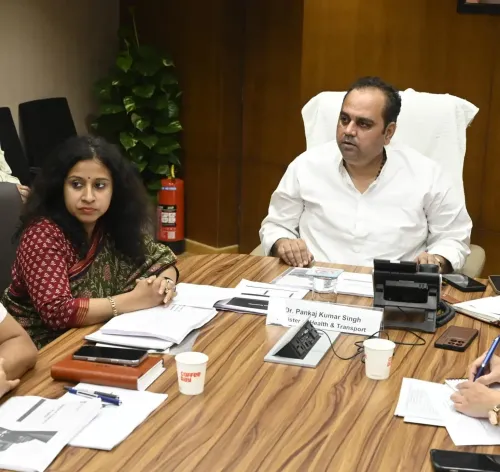
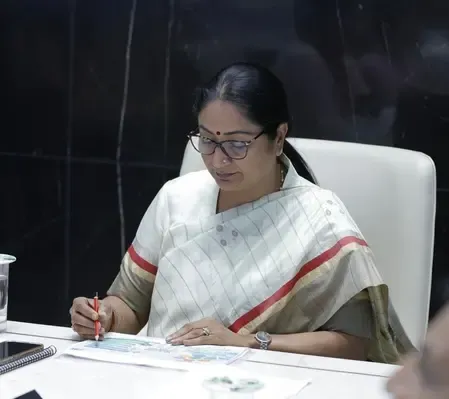
New Delhi, Jan 10 (NationPress) On Saturday, Delhi Chief Minister Rekha Gupta announced that the officials from the Transport Department have put forth a comprehensive proposal to the Central Government’s agency, Convergence Energy Services Limited (CESL), for the urgent acquisition of 3,330 additional electric buses.
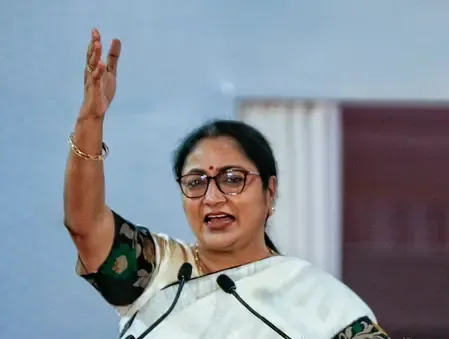
The Chief Minister emphasized that this proposal represents the Delhi government’s latest initiative aimed at transforming the capital’s transport infrastructure into a fully ‘green’ system and significantly combating pollution.
Rekha Gupta articulated that maintaining clean air in Delhi and providing residents with a modern, accessible, and affordable public transport system are top priorities for her administration.
Following a recent strategic meeting with CESL, it was resolved to boost the bus allocation in Delhi under the PM E-DRIVE Scheme (Phase-2).
According to the Chief Minister, after reassessing needs, a demand has been made for buses of varying sizes to ensure connectivity from narrow streets to major arterial roads.
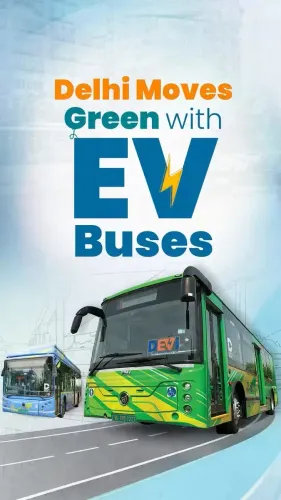
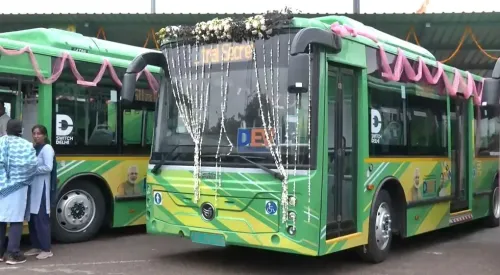
The Transport Department has proposed a total of 3,330 buses, which includes 500 buses of 7 metres, 2,330 buses of 9 metres, and 500 buses of 12 metres. All buses will be low-floor, air-conditioned electric buses.
The 7-metre buses are intended for narrow streets and last-mile connectivity for residents. The 9-metre buses will function on smaller roads and serve as feeder services, while the 12-metre buses will be deployed on principal routes and heavily trafficked corridors.
Chief Minister Gupta has urged the Central Government and the Ministry of Heavy Industries to incorporate this additional demand (distinct from the already assigned quota of 2,800 buses) into the subsidy model.
She stated that should any technical challenges concerning subsidies arise, the Delhi Government is fully prepared to cover the costs to prevent any delays in bus procurement.
The Chief Minister believes that these 3,330 new buses will not only serve as public transport but also lay the groundwork for Delhi’s green transition. Their introduction will lessen the citizens’ reliance on private vehicles and lead to a substantial decrease in harmful emissions.
Low-floor buses will enhance travel safety and comfort for women passengers and senior citizens. The aim is to ensure that, in the upcoming months, Delhi’s bus fleet emerges as one of the largest and cleanest electric bus networks globally.
Currently, there are 5,336 government buses operating in Delhi, with 3,535 of them being electric buses. This includes 1,162 nine-metre DEVI buses, 2,273 twelve-metre buses, and 100 feeder buses.
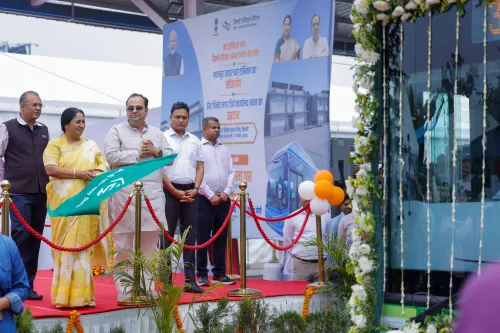
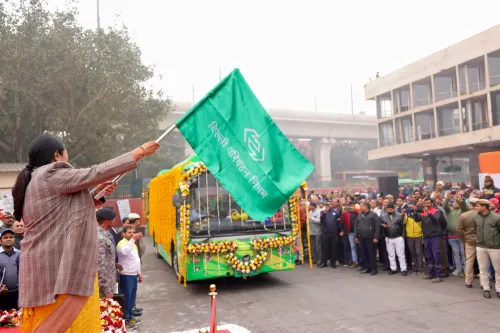
As per the Chief Minister, more than 5,000 electric buses will be operational on Delhi’s roads by March this year. Her commitment is that by the end of 2026, 7,000 electric buses will be made available for the people of Delhi.
After the addition of 2,800 buses under PM E-DRIVE (Phase-1), the total number of buses in Delhi will reach 10,430, and with the inclusion of 3,330 buses under PM E-DRIVE (Phase-2), the fleet will expand to 13,760 buses, as stated.
Point of View
This proposal reflects a proactive approach by the Delhi government to confront pollution and improve public transport. The emphasis on electric buses signifies a commitment to sustainability, aligning with national goals for cleaner urban environments. This move could set a precedent for other states to follow, promoting a broader shift towards green transportation solutions.
NationPress
30 Sept 2026
Frequently Asked Questions
What is the purpose of the proposal?
The proposal aims to procure 3,330 electric buses to enhance Delhi's public transport and contribute to pollution reduction.
How many buses are currently operational in Delhi?
Currently, there are 5,336 government buses operating in Delhi, with 3,535 being electric.
What types of buses are included in the proposal?
The proposal includes 500 buses of 7 metres, 2,330 buses of 9 metres, and 500 buses of 12 metres.
When will the new buses be operational?
Over 5,000 electric buses are expected to be operational on Delhi's roads by March this year.
What is the long-term goal for electric buses in Delhi?
The goal is to have 7,000 electric buses available by the end of 2026.