Delhi Chief Minister Confirms No Fuel Shortages; Takes Action Against Black Market Operations
Synopsis
The Delhi government has confirmed that there is no shortage of essential fuels, including LPG and petrol, and is cracking down on black market activities. CM Rekha Gupta has outlined a comprehensive plan to ensure the capital is prepared for summer water demands.
Key Takeaways
No shortages of LPG, petrol, diesel, or PNG in Delhi.
Government warns against black market activities.
Summer Action Plan-2026 aims to ensure water supply.
Delhi's daily water requirement is approximately 1,250 MGD .
Monitoring of water quality is a priority.
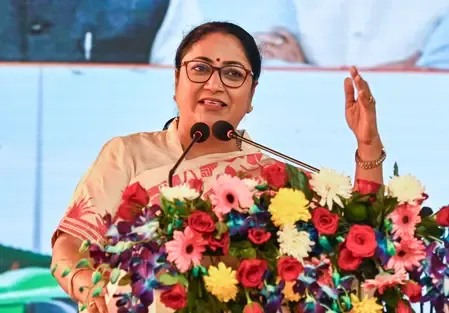
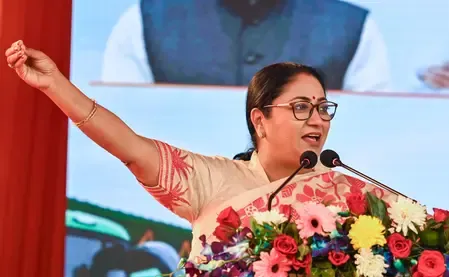
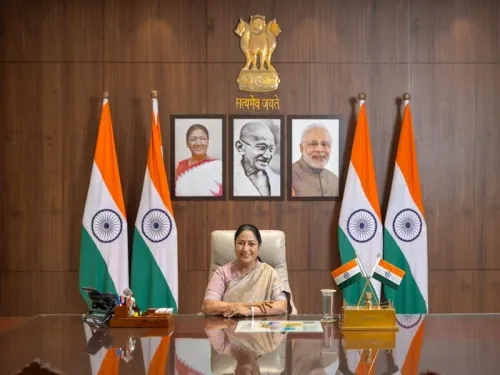
In a recent statement from New Delhi on March 12 (NationPress), the Delhi government has asserted that there is no deficiency of LPG, petrol, diesel, or PNG in the city. The government's declaration, reported by an official from Chief Minister Rekha Gupta's office, included a warning regarding actions against black marketeers.
The government has urged residents to refrain from panic buying. Officials are actively monitoring black market activities and are prepared to implement strict measures against offenders.
Earlier, CM Gupta convened a review of the ‘Summer Action Plan-2026’ and other initiatives aimed at ensuring that the capital does not experience a water crisis during the summer months.
She noted that water demand in Delhi escalates significantly in summer while overall production levels remain relatively constant.
With this in mind, the government has put together the ‘Summer Action Plan-2026’ to guarantee sufficient water supply throughout the city, facilitate rapid relief to areas experiencing shortages, and swiftly address public grievances.
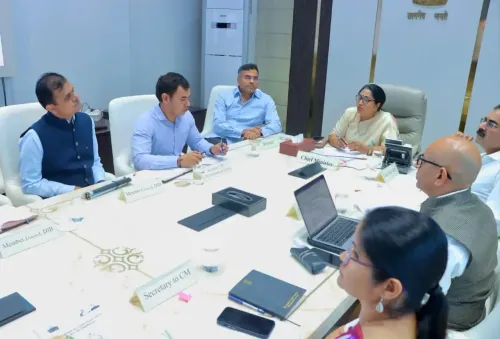
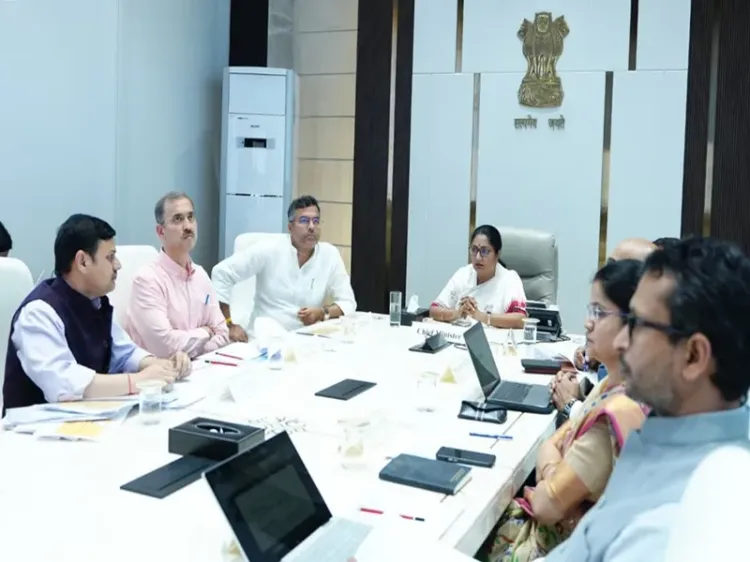
The Chief Minister chaired a high-level meeting at the Delhi Secretariat to evaluate the Delhi Jal Board’s (DJB) Summer Action Plan 2026.
Attendees included Delhi’s Water Minister Parvesh Verma, Chief Secretary Rajeev Verma, DJB CEO Kaushal Raj Sharma, and other senior officials.
Officials disclosed that Delhi, which has a population of approximately 25 million, requires around 1,250 million gallons of water daily (MGD) according to established norms.
Currently, the city obtains about 1,000 MGD, and the summer action plan aims to effectively manage this shortfall during periods of peak demand, as stated in an official release.
Post-meeting, the Chief Minister confirmed that under this plan, maximum water production will be prioritized from all water treatment facilities across the city.
She mentioned that proactive measures—including cleaning underground and surface reservoirs, repairing pumping stations, maintaining equipment, and monitoring pipeline leakages—have already been implemented to prevent any disruptions in water supply during summer.
To assist areas suffering from water shortages, the government has further enhanced the water tanker distribution system.
The Delhi Jal Board has deployed 168 departmental tankers and 819 hired tankers, with plans to hire approximately 200 additional tankers during peak demand periods if necessary.
The Chief Minister stated that detailed arrangements have been made for each Assembly constituency under the Summer Action Plan.
These arrangements encompass specific water supply hours by colony, designated tanker routes, identification of water-scarce areas, and mapping of sensitive zones for prompt action when needed.
Monitoring the quality of water is also a critical element of the plan.
The Delhi Jal Board conducts tests on around 1,600 to 1,700 water samples daily, with laboratories located in water treatment facilities and zonal labs throughout the city.
Additionally, the fleet of water sampling vehicles will be increased from 12 to 18 to bolster monitoring efforts across the distribution network.
Point of View
The Delhi government's swift response to dispel rumors of fuel shortages while simultaneously addressing the critical issue of water supply demonstrates a focused approach to governance. Ensuring the availability of essential resources is paramount, especially as the city braces for increased demand during the summer months.
NationPress
20 Sept 2026
Frequently Asked Questions
Is there a shortage of LPG and petrol in Delhi?
No, the Delhi government has confirmed there is no shortage of LPG, petrol, or other essential fuels.
What actions are being taken against black marketers?
The government is closely monitoring black market activities and will implement strict actions against offenders.
What is the Summer Action Plan-2026?
It is a comprehensive plan aimed at ensuring adequate water supply and addressing shortages during the peak summer months.
How much water does Delhi require daily?
Delhi requires approximately 1,250 million gallons of water per day to meet the needs of its population.
How does the Delhi Jal Board monitor water quality?
The Delhi Jal Board tests around 1,600 to 1,700 water samples daily to ensure quality.