Delhi HC declines interim relief in Sonam Wangchuk hospitalisation plea
Synopsis
The Delhi High Court declined to order Sonam Wangchuk's immediate discharge from Safdarjung Hospital, ruling the government's decision to shift him from Jantar Mantar was not arbitrary given his deteriorating condition. His wife's petition — alleging forcible removal without consent — will be heard next on 24 July, with the Centre required to file a status report by then.
Key Takeaways
The Delhi High Court on 19 July declined interim relief in a petition filed by Sonam Wangchuk's wife challenging his hospitalisation at Safdarjung Hospital .
Justice Mini Pushkarna ruled the government's decision to shift Wangchuk from Jantar Mantar was not arbitrary, given his deteriorating health.
The court recorded that only oral medication had been administered with Wangchuk's consent and that no force was being used.
Wangchuk's wife, brother, and brother-in-law have been granted round-the-clock access ; medical reports will be shared with the family.
The petition was filed by his wife, Gitanjali J.
Angmo , seeking immediate discharge and transfer to a hospital of the family's choice.
The next hearing is scheduled for 24 July ; the Centre and Delhi Police must file status reports within three days .
The Delhi High Court on Sunday, 19 July declined to grant any interim relief on a petition filed by climate activist Sonam Wangchuk's wife challenging his continued hospitalisation at Safdarjung Hospital, ruling that the government's decision to shift him from the Jantar Mantar protest site — given his deteriorating medical condition — could not be termed arbitrary. The court issued notice to the Centre and other respondents, including Delhi Police, directing them to file status reports within three days and listed the matter for further hearing on 24 July.
What the Court Observed
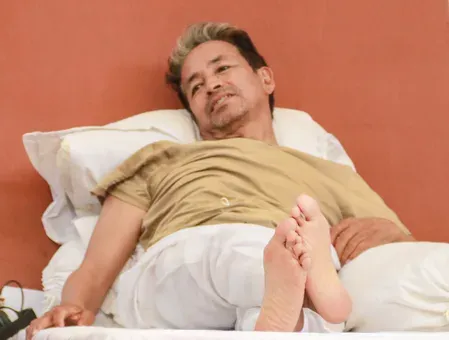
A single-judge Bench of Justice Mini Pushkarna noted that since the government had acted on account of Wangchuk's medical condition, the decision to shift him to a hospital facility could not be characterised as arbitrary. The court further recorded that doctors at Safdarjung Hospital were closely monitoring his health and that only oral medication had been administered — with his consent.
'Since doctors of the hospital are closely monitoring him and giving him oral medicine with his consent, it cannot be said that force is being used or his autonomy is being violated,' Justice Pushkarna said.
The court also held that since Wangchuk had not voluntarily admitted himself to any hospital despite his worsening condition, 'the government was within its right to take such action.'
Access to Family and Medical Transparency
Additional Solicitor General Chetan Sharma, appearing for the Centre, submitted that Wangchuk was not under detention and that his family had unrestricted access to him. The court recorded that his wife, brother, and brother-in-law had been granted round-the-clock access and that a separate room had been provided for the family. The Centre's law officer also confirmed that Wangchuk's medical reports would be shared with his family.
Noting that 'every life is precious,' the court concluded that in light of these assurances, no interim directions were necessary at this stage. It also clarified that all treatment decisions would rest with the medical team, in accordance with established medical protocol.
Background: The Petition and the Protest
The petition was filed by Wangchuk's wife, Gitanjali J. Angmo, seeking his immediate discharge from Safdarjung Hospital and transfer to a hospital of the family's choice. She alleged that Wangchuk was forcibly removed from the Jantar Mantar protest site on Saturday and admitted to the hospital without his consent. The plea also raised concerns over alleged discrepancies in his medical reports and sought unrestricted access to his legal counsel and doctors of his choice.
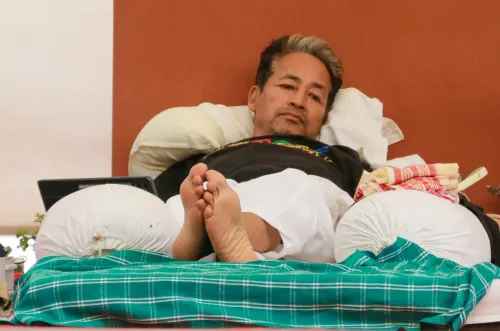
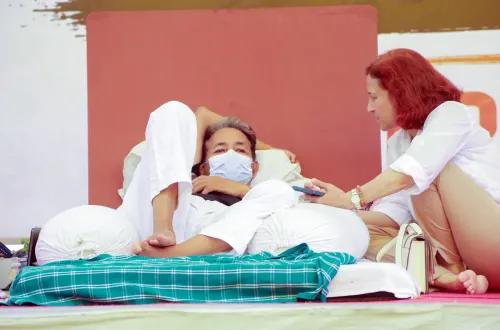
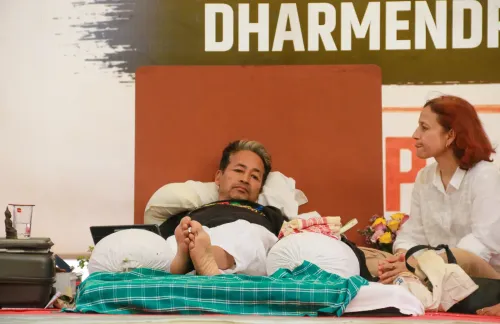
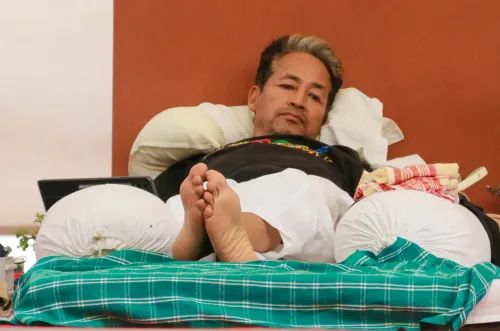
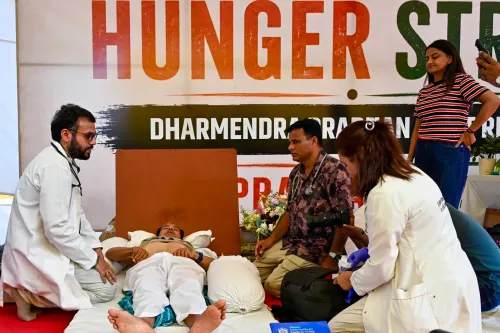
Wangchuk had been on an indefinite hunger strike since 28 June in solidarity with students protesting over alleged irregularities in the NEET-UG examination. He was shifted to Safdarjung Hospital after his health deteriorated significantly at the protest site.
What Happens Next
The Delhi High Court has scheduled the next hearing for 24 July, by which date the Centre and Delhi Police must file their status reports. The court's observations on autonomy, consent, and state authority in medical emergencies are likely to be closely scrutinised as the case proceeds. Wangchuk's legal team is expected to press its challenge over the alleged lack of consent at the next date of hearing.
Point of View
Not political ones — and the court accepted that framing without probing deeper. What the order does not resolve is the threshold question of consent: if Wangchuk did not agree to hospitalisation, the medical-necessity argument sits in tension with bodily autonomy, a right the Supreme Court has consistently upheld. The NEET-UG protest backdrop adds a layer the court has not yet engaged with — Wangchuk's hospitalisation, whatever its medical justification, effectively removed a high-profile voice from a public agitation. That convergence of state action and protest suppression deserves scrutiny the 24 July hearing must not sidestep.
NationPress
18 Oct 2026
Frequently Asked Questions
Why did the Delhi High Court refuse interim relief in the Sonam Wangchuk case?
The court held that the government's decision to shift Wangchuk from Jantar Mantar to Safdarjung Hospital was medically justified and therefore not arbitrary. Justice Mini Pushkarna also noted that only oral medication was being given with his consent and that his family had unrestricted access to him.
Who filed the petition challenging Wangchuk's hospitalisation?
The petition was filed by Wangchuk's wife, Gitanjali J. Angmo, before the Delhi High Court. She sought his immediate discharge from Safdarjung Hospital and transfer to a hospital of the family's choice, alleging he was moved without his consent.
What is Sonam Wangchuk's current medical condition?
Wangchuk has been on an indefinite hunger strike since 28 June in support of students protesting alleged irregularities in the NEET-UG examination. His health deteriorated at the Jantar Mantar protest site, prompting the government to shift him to Safdarjung Hospital on Saturday, 18 July.
When is the next hearing in the Delhi High Court on this matter?
The Delhi High Court has scheduled the next hearing for 24 July. The Centre and Delhi Police have been directed to file their status reports within three days of the 19 July order.
Is Sonam Wangchuk under detention at Safdarjung Hospital?
According to Additional Solicitor General Chetan Sharma, who appeared for the Centre, Wangchuk is not under detention. The court recorded that his family members have been given round-the-clock access and a separate room, and that his medical reports will be shared with the family.